
Last updated November 18, 2026
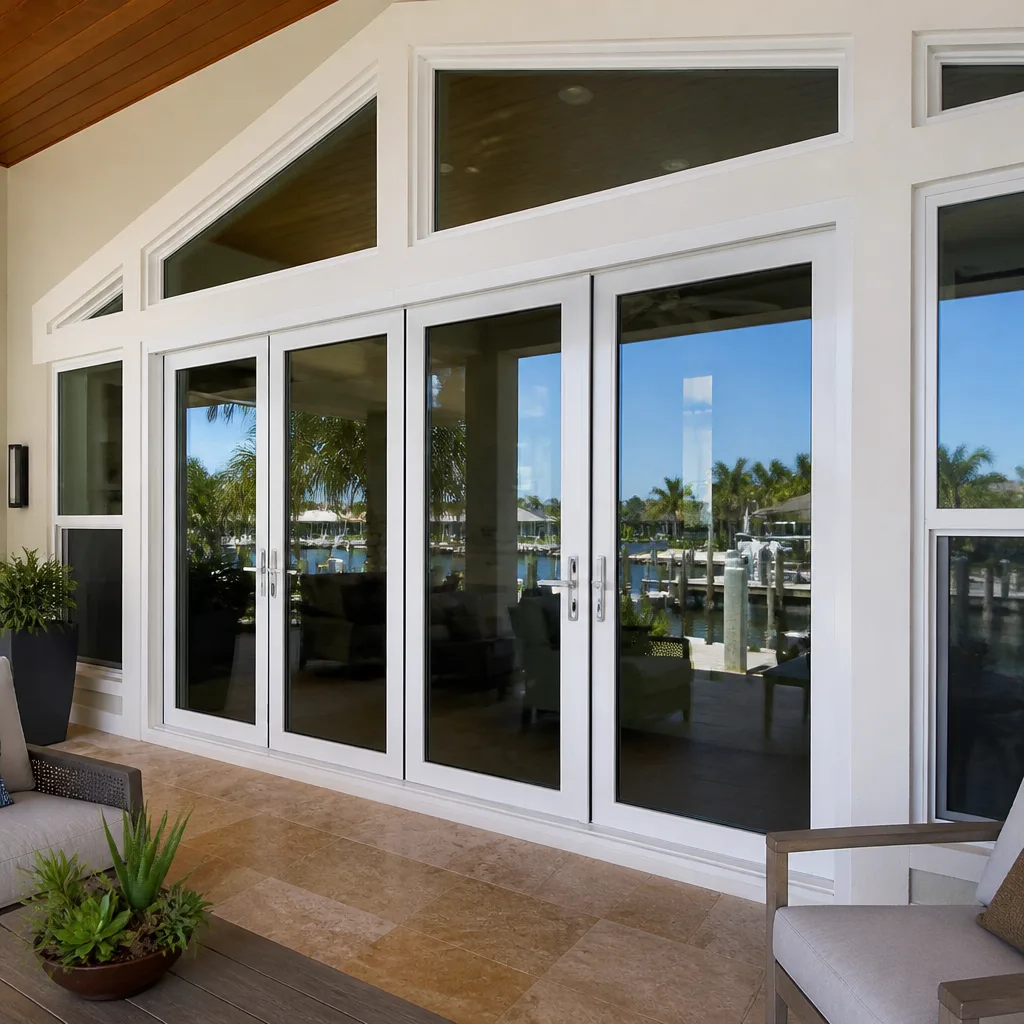
 Sliding glass doors
 Single hung
 Double hung
 Horizontal roller
 Casement
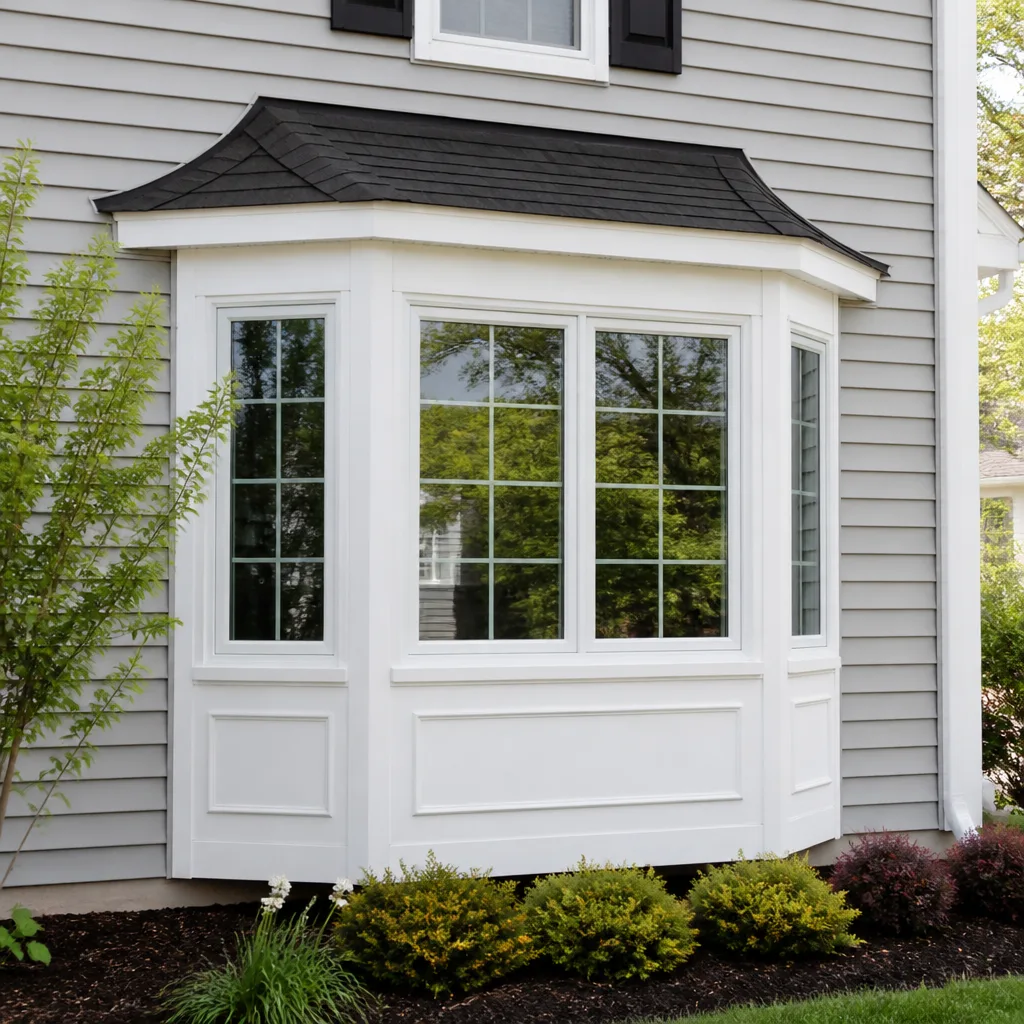 Bay & bow
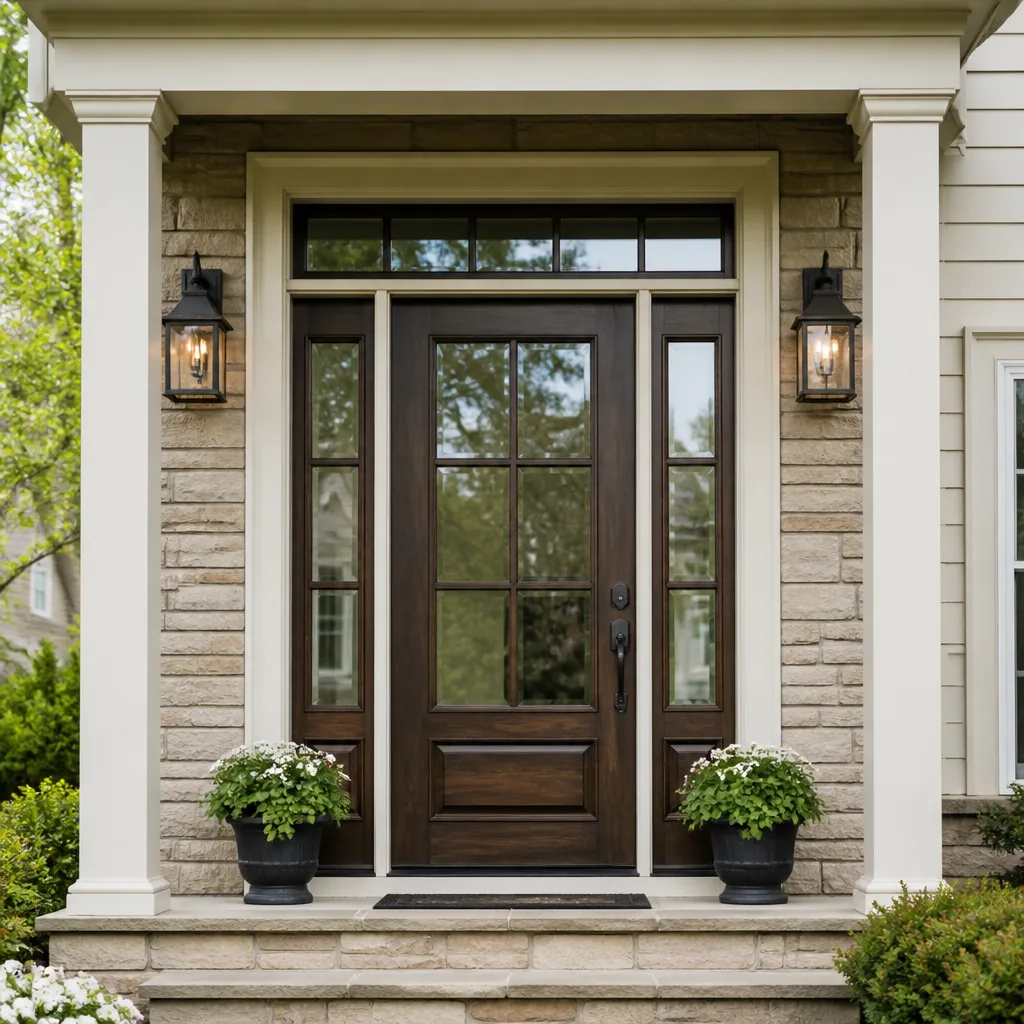 Entry doors
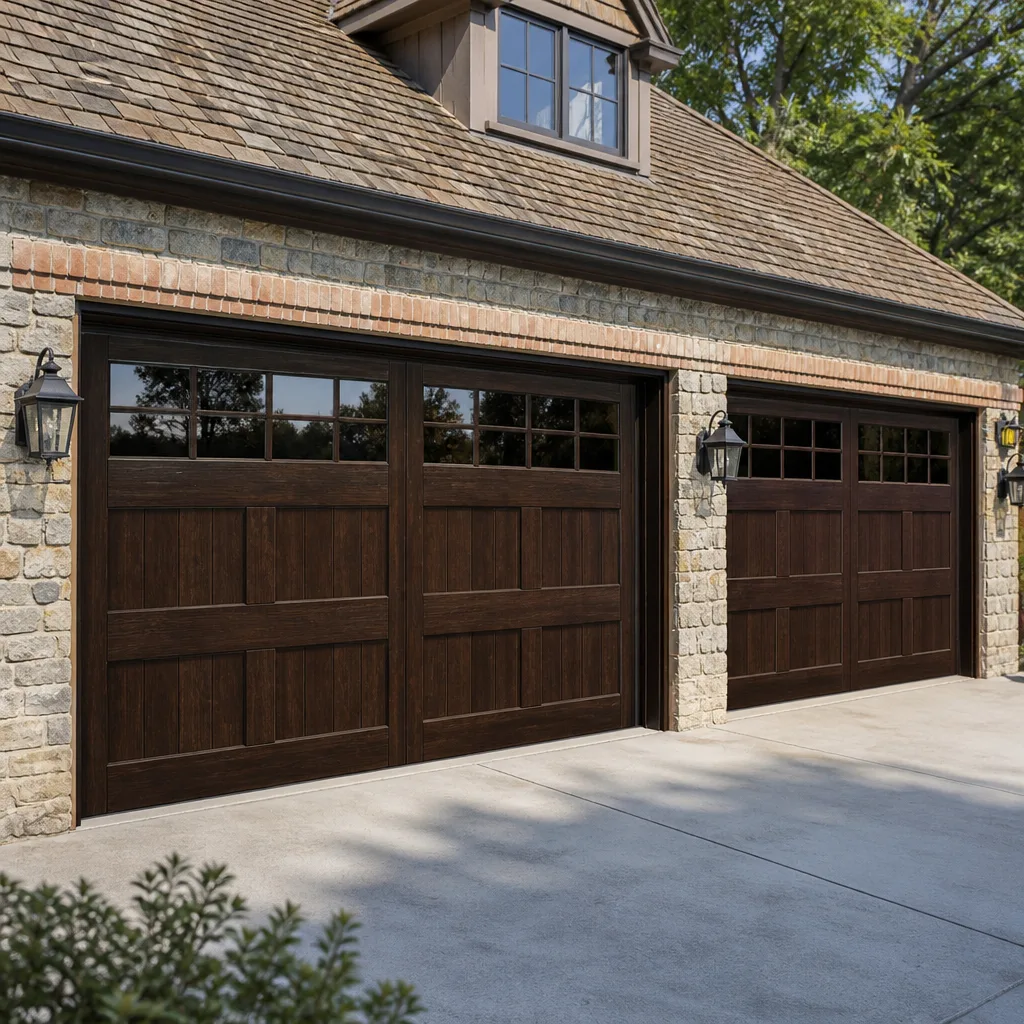 Impact garage doors
 PGT
 CGI
Free in-home measure and quote - PGT, CGI and CWS impact lines compared on your actual openings, style by style
Get your free estimateWindows & Doors Permits, Codes & Inspections in NV: What You Need to Know
In Nevada, an unpermitted window replacement doesn’t just risk a fine. It can surface as a title defect during a home sale, forcing a buyer’s lender to demand a retroactive inspection, a corrective permit, or in the worst cases, removal of the installed unit before closing. We’ve watched deals stall over a single unpermitted slider. The rules aren’t the same everywhere: Clark County, Washoe County, and rural county jurisdictions like the one covering Whitney each apply the state’s adopted code differently. This guide walks you through what Nevada actually requires, when a like-for-like swap still needs a permit, how to verify your contractor filed one, what each inspection covers, and how energy-code specs decide whether your glass passes or fails.
Quick Answer
Nevada residential window and door replacements must comply with the International Building Code (IBC) and International Residential Code (IRC) as adopted and amended by the state and then by the local jurisdiction. A permit is generally required when you change the size of a rough opening, alter an egress path, or modify the structural framing. Some like-for-like swaps don’t require a permit in certain jurisdictions, but the trigger thresholds differ by county, city, and in unincorporated areas like Whitney, by the county building department. Energy-code compliance under the state’s adopted IECC version governs glass U-factor and SHGC, and the wrong spec will fail inspection regardless of whether the permit was pulled.
Styles & brands we work with
- Single hung
- Double hung
- Horizontal roller
- Casement
- Bay & bow
- Sliding glass doors
- Entry doors
- Impact garage doors
- PGT
- CGI
Table of Contents
- Which Codes Actually Govern Windows and Doors in Nevada?
- When Does a Replacement Permit Get Triggered in Nevada?
- County vs. City Jurisdictions: Why Whitney Is Different
- How to Verify Your Contractor Actually Pulled the Permit
- What Rough-Opening and Final Inspections Cover
- Energy-Code Compliance: U-Factor, SHGC, and Nevada’s IECC
- Egress Windows and Doors: The Life-Safety Rules
- The Rural Contractor Gap in Whitney and Why It Matters
Which Codes Actually Govern Windows and Doors in Nevada?
Nevada doesn’t write its own window code. It adopts the International Code Council family of model codes through the Nevada Revised Statutes and hands enforcement down to local building departments, which can and do amend it. The primary documents you’re dealing with on a residential window or door replacement are the International Residential Code (IRC) for detached one- and two-family homes, the International Building Code (IBC) for larger residential structures, and the International Energy Conservation Code (IECC) for the glass specification itself. Whichever version of these has been adopted by your jurisdiction at the time of application is what the inspector will hold you to.
The practical result: a door replacement in Whitney, which sits in an unincorporated part of Clark County, is administrated by the county building department. A door replacement inside the incorporated city limits of Las Vegas, Henderson, or North Las Vegas may be handled by a separate municipal building department with its own amendment schedule, submittal forms, and inspection timelines. Same state, same base codes, materially different process.
Three things shift between jurisdictions:
- Adoption lag. Some departments are on a newer IECC cycle than others, so the U-factor and SHGC targets can change from one jurisdiction to the next.
- Permit thresholds. Not every department requires a permit for a pure like-for-like swap. The definition of “like-for-like” is where things get hazy.
- Inspection stage. Some departments mandate a rough-opening inspection, others only want a final. Skipping a rough-opening stage that was required is one of the most expensive mistakes in the trade.
When you’re planning a project, ask the building department directly which code edition is currently in effect and which submittal checklist applies to a residential window or door permit. That one phone call answers a hundred downstream questions. Our team at Winslow Windows & Doors Whitney home walks this process with Whitney homeowners on every job, and it’s the single biggest reason a permit that looked simple doesn’t turn into a title headache at resale.
When Does a Replacement Permit Get Triggered in Nevada?
A permit is triggered when the work crosses certain physical or structural thresholds, not simply because a window changed. In our experience, the confusion happens because homeowners assume “same size, same spot” means “no permission needed.” That’s often wrong. Here’s how to read the triggers.
You generally do need a permit when:
- The rough opening size changes. Enlarging or reducing the framed opening alters the header, jack studs, and king studs. Any change to the structural frame requires a permit and often a structural review.
- The egress path changes. Adding a bedroom exit window, converting a fixed pane to an operable one, or moving the window’s height off the floor can affect whether the room meets emergency escape requirements.
- The unit type changes. Swapping a fixed picture window for a slider, or a swinging door for a sliding glass door, changes the loading, anchorage, and often the waterproofing detail.
- A wall is opened or the building envelope is modified. Cutting into a wall to install a new door or window, or altering framing during a remodel, always requires a permit.
- A new opening is created in a load-bearing wall. Obvious, but worth stating.
You may not need a permit when:
- The unit is an exact size-for-size, same-type replacement using the existing opening and framing, with no structural change, and the local department accepts a like-for-like classification.
- The replacement meets the current energy-code spec without alteration to the wall assembly.
The catch is that “may not” depends entirely on your jurisdiction’s written policy, not on what a contractor told you in the driveway. For anything other than a routine same-size substitution, get the requirement in writing from the building department before the crew touches the frame. If you’re planning a full swap rather than a repair, our guide to Window Replacement in Whitney covers the sequencing from measure to final inspection.
County vs. City Jurisdictions: Why Whitney Is Different
Whitney is an unincorporated community in Clark County, which means it doesn’t have its own municipal building department. Residential window and door permits there run through the county. That single fact changes almost everything about how the process works relative to a job in Henderson or North Las Vegas, both of which administer their own permits through city building divisions with their own staff, forms, and fee schedules.
Here’s the practical breakdown of what shifts:
- Submittal pathway. Clark County’s online portal handles Whitney permits; Las Vegas, Henderson, and North Las Vegas each have separate systems.
- Review timeline. Volume and staffing vary. A county review desk handling a large unincorporated area can run a different turnaround than a small city department.
- Inspection scheduling. County inspectors cover a wide footprint, so scheduling windows and cutoffs differ from a city’s.
- Amendments in effect. Each department adopts and amends separately, which can affect which IECC cycle applies and which egress rules are enforced.
- Fee structure. Valuation-based permit fees vary by jurisdiction even when the code language is identical.
Why does this matter to a Whitney homeowner specifically? Because traveling contractors who work across the Las Vegas valley often file under the habits of whatever city they last worked in. A crew that pulled three permits in Henderson last month may not know that the Whitney job falls under county jurisdiction, or may assume a like-for-like swap is exempt because one city’s desk told them so. Getting this right starts with knowing which authority has jurisdiction over your address before the submittal goes in.
How to Verify Your Contractor Actually Pulled the Permit
A contractor’s verbal assurance that “we’ll take care of the permit” isn’t proof. In Nevada, you can verify the permit yourself using the public lookup tool maintained by the jurisdiction issuing the permit. For Whitney, that’s the Clark County permit search. For a job inside Henderson or North Las Vegas, it’s that city’s online permit portal. The lookup typically returns the permit number, the address, the scope of work, the contractor of record, and the current status.
Walk through these steps before the crew arrives:
- Ask for the permit number in writing before work is scheduled to begin. Any contractor who can’t produce one on request hasn’t pulled it.
- Search the jurisdiction’s public permit database by property address. The record should list the scope as window or door replacement, and it should name the licensed contractor doing the work.
- Confirm the contractor of record matches the company on your contract. If a different company’s name appears, you’re looking at a subcontracted permit and its problems are yours.
- Check that the permit status is “issued” and not “applied for” or “in review.” A pending permit isn’t a legal permit to start work.
- Keep a copy of the permit, the inspection results, and the final sign-off with your home records. This is the file your title company will want to see at sale.
- Confirm the inspection schedule. The permit record will list the required inspections. Missing a rough-opening inspection means you’ll need a special or retroactive inspection later, and that costs time.
If a contractor is reluctant to hand over the permit number, that’s the conversation you need to have right now, not after the drywall goes back up. Our team at Impact Windows in Whitney provides the permit documentation with the estimate so you can verify everything up front. The whole point of a public lookup tool is that trust doesn’t have to be taken on faith.
What Rough-Opening and Final Inspections Cover
When a permit is required for a window or door replacement, there are typically two inspection stages. Understanding what each stage is actually checking tells you why skipping the rough-opening phase creates problems that only surface years later.
Rough-Opening Inspection
This inspection happens after the old unit is removed and the new opening is prepped, but before the new window or door is fully installed and weather-sealed. The inspector is checking the things you can’t see once the unit is set:
- Framing integrity. Jack studs, king studs, headers, and blocking are correctly sized and installed.
- Opening dimensions. The rough opening meets the manufacturer’s required dimensions with the correct tolerances for shimming and anchoring.
- Anchor embedment. Fasteners are the right type and depth for the wall substrate.
- Flashing and weather-resistive barrier. The flashing sequence at the sill, jambs, and head is correct.
- Pan flashing and drainage. Water has a path to drain out rather than sit against the framing.
- Structural connection. Any new header or lintel is properly bearing and strapped.
The problem with a skipped rough-opening stage is that flashing mistakes and undersized headers are invisible once the unit and interior finishes go back in. We’ve seen water intrusion that started at a poorly sealed sill take three or four rainy seasons to show up as rot at the base of the frame, and by then the whole unit has to come out. In a market like Whitney, where summer heat stress and monsoon-driven rain are both in play, a skipped rough-opening inspection is a bet against the weather.
Final Inspection
This happens after the unit is installed, sealed, and finished. The inspector confirms:
- The installed unit matches the permitted scope (and the approved energy spec).
- Operation, hardware, and safety features function correctly, including the egress opening dimensions if the unit is an emergency exit.
- Sealing and caulking are complete on both the exterior and interior.
- Labels and documentation for the glass and frame are visible (NFRC labeling is typical).
- The permit record is closed out with a passing sign-off.
If your project also involves broader envelope work, the guide to Window Installation in Whitney covers how the install sequence lines up with inspection stages.
Energy-Code Compliance: U-Factor, SHGC, and Nevada’s IECC
Nevada’s adoption of the International Energy Conservation Code sets targets for two numbers that determine whether your glass passes inspection. U-factor measures how fast heat moves through the assembly; lower is better insulation. Solar Heat Gain Coefficient (SHGC) measures how much solar heat the glass lets in; in Nevada’s climate zones, the target SHGC is generally low to reduce cooling loads. Getting the glass spec wrong fails inspection even when everything else is perfect, and swap-outs after the fact are expensive.
How the spec is set:
- The jurisdiction’s adopted IECC version determines the exact U-factor and SHGC limits for your climate zone. Nevada spans multiple climate zones, so the target shifts by region.
- The window’s NFRC label shows the rated U-factor and SHGC for the specific assembly, glazing package, and spacer combination. That label is what the inspector reads.
- The product must match the approved permit spec. If the permit application lists a U-factor of 0.30 and the installed unit is a 0.40, that’s a fail even if the unit is otherwise code-compliant.
- Prescriptive vs. performance path. Some projects follow the prescriptive table; larger or remodel-scope projects may use a performance path requiring energy modeling. Know which one your permit was submitted under.
Whitney sits in Clark County’s climate zone, where solar control is the dominant concern. A glass package optimized for a cooler climate may technically meet a U-factor target while letting in far too much solar heat and missing the SHGC requirement. That’s why we specify the glass package against the specific jurisdiction’s adopted code, not against a generic national assumption. Authorized installers for PGT and CGI carry NFRC-labeled products that meet Nevada’s targets when the correct model and glazing options are selected, and the label travels with the unit so the inspector can verify at final.
For the products and performance ratings our Whitney customers request most, Window Replacement in Whitney lists the glass packages and their rated values. The key point: the correct energy code spec is decided before the permit is submitted, not after the truck arrives.
Egress Windows and Doors: The Life-Safety Rules
Egress is the code concept that a bedroom must provide an emergency exit a person can use. The IRC sets minimums: a clear opening with a specific minimum net clearance, a minimum height, a minimum width, and a maximum sill height above the floor. If you replace a bedroom window with a fixed unit, a smaller operable unit, or a unit with the same opening as before but a sill higher off the floor, you can silently eliminate the room’s egress path. That’s a life-safety issue, and inspectors notice.
The egress rules that come into play on a Nevada replacement:
- Clear opening size. The net clear opening is what a person exits through, not the overall glass size.
- Sill height. The bottom of the clear opening has a maximum height above the floor. Raising it by replacing with a unit that sits higher fails egress.
- Operable hardware. The unit must open without tools or special knowledge.
- Window well or ladder if below grade. Basement and below-grade egress windows have their own rules.
- Final inspection includes egress verification when the permit scope includes an egress-path change.
If the replacement window is in a bedroom, know the egress minimums before you accept a bid. A contractor who hasn’t checked the egress calculation on the existing unit is a contractor who may install a unit that fails at final inspection.
The Rural Contractor Gap in Whitney and Why It Matters
Whitney has a specific problem that doesn’t show up on the permit application. Because it’s unincorporated county territory, it attracts more traveling contractors than a municipal job would. Some are excellent. But the industry reality is that a contractor working primarily inside Las Vegas, Henderson, or North Las Vegas may not understand that the job in Whitney falls under a different permitting authority, or may file the permit under a jurisdictional assumption that’s wrong for the address.
Three patterns we’ve seen repeatedly:
- The “your city does it this way” assumption. A contractor used to a city that exempts like-for-like replacements files the Whitney job as an exempt swap. The county disagrees, and now the homeowner has an unpermitted install.
- The skipped rough-opening inspection. Because some jurisdictions don’t require it, a crew trained on those jurisdictions doesn’t call for one. The county does, and the failure surfaces at resale.
- Wrong energy spec. A glass package pulled from a contractor’s standard inventory may have been correct for another jurisdiction’s adopted IECC version and wrong for the one in effect in Whitney at the time of application.
None of these are visible to the homeowner until it matters, and it matters most at the worst possible moment: during a home sale or refinance when the title company pulls the permit history. A single unpermitted window replacement can stall a closing for weeks and, in the worst cases, force unit removal. The 36500-Day Done Right Promise exists because we’ve watched this happen to neighbors who used another company, and it’s not acceptable to us. When we say it’s done right, the permit is filed, the inspections are passed, and the paperwork is in your hands. Ed’s name is on the door – and on every job we do.
Common Mistakes to Avoid
- Assuming a like-for-like swap is automatically permit-exempt. “Same size” is not the same as “no permit required,” and the threshold depends on the jurisdiction, not on the contractor’s habit.
- Trusting a verbal “we’ll handle the permit.” Ask for the permit number in writing and verify it in the public lookup tool before work starts. A promise isn’t documentation.
- Filing the Whitney job under the wrong jurisdiction’s rules. Unincorporated Clark County is not the same as the city of Las Vegas. Confirm the correct building department before submittal.
- Skipping the rough-opening inspection. Flashing, framing, and anchor mistakes hide behind finished walls. The county requires the stage for a reason, and skipping it shows up years later.
- Choosing a glass package that doesn’t meet the adopted IECC version. A U-factor and SHGC that passed in another jurisdiction can fail in Whitney’s climate zone. Read the NFRC label against the adopted code.
- Ignoring the egress calculation on bedroom replacements. A fixed unit or a higher sill can eliminate the room’s life-safety exit and fail final inspection.
- Not keeping the permit and inspection records with the home’s paperwork. When the property sells, the title company will ask. A folder of completed sign-offs saves weeks.
See the difference
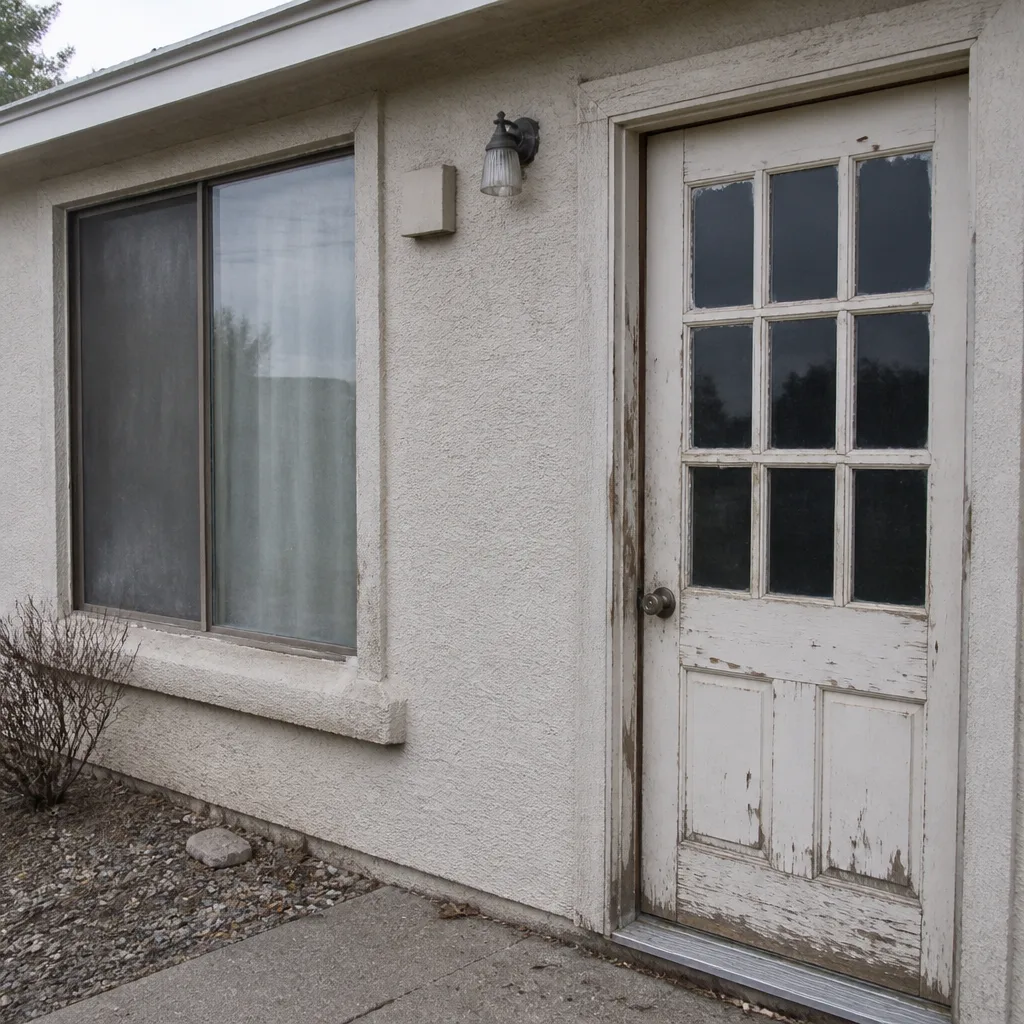 Before
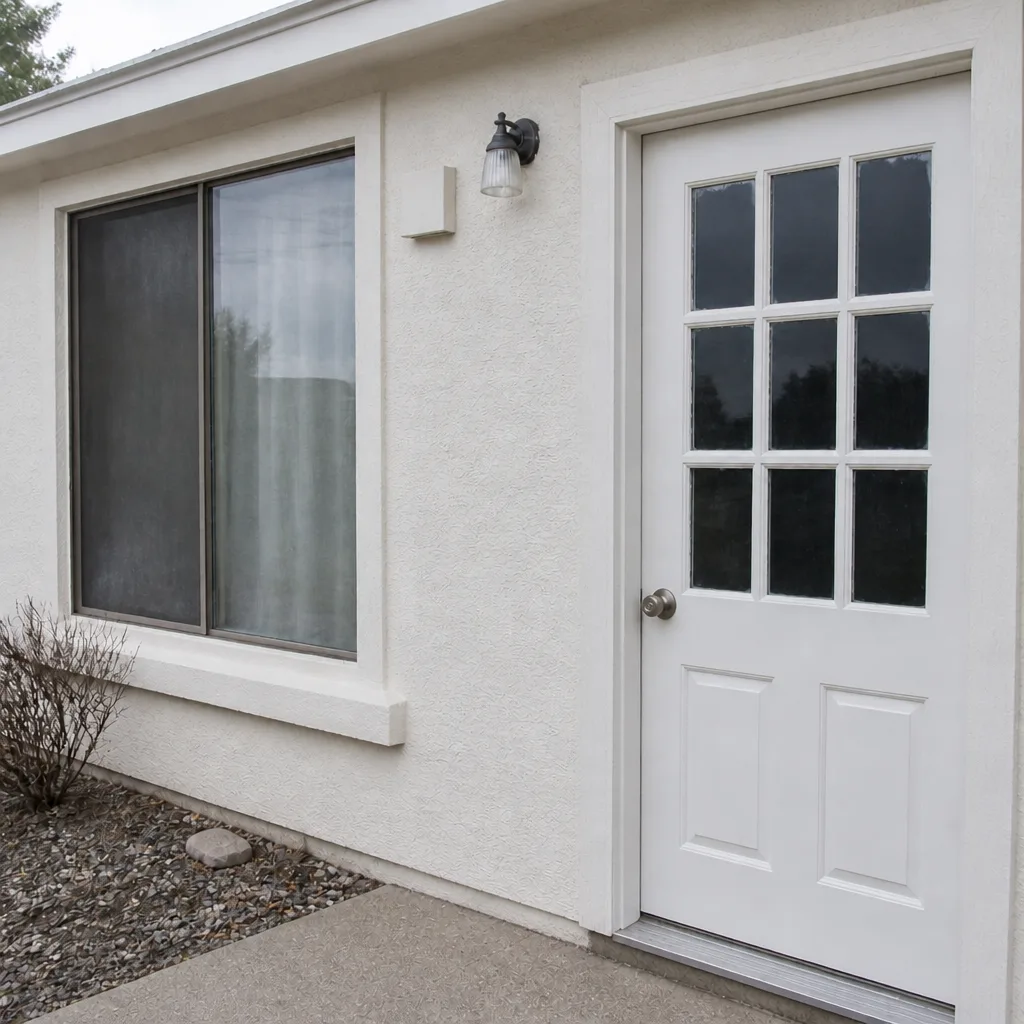 After
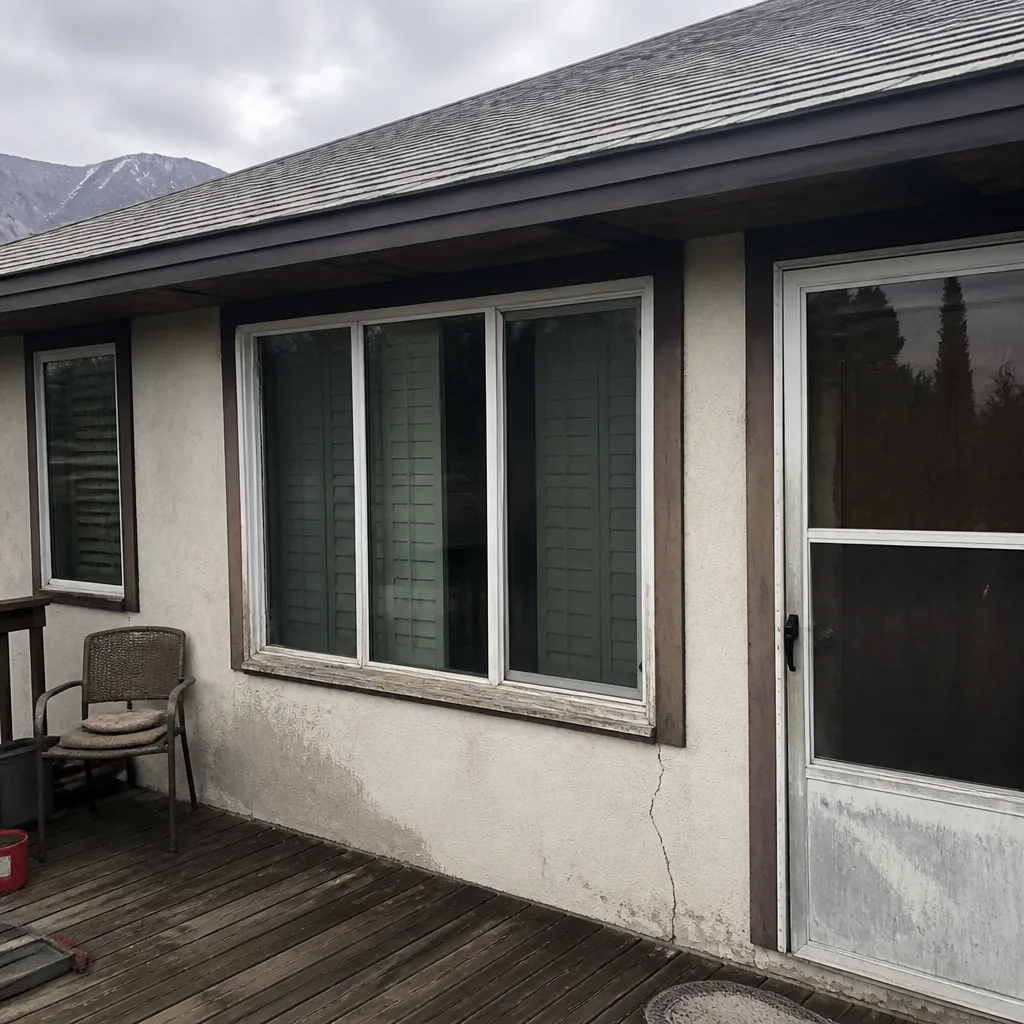 Before
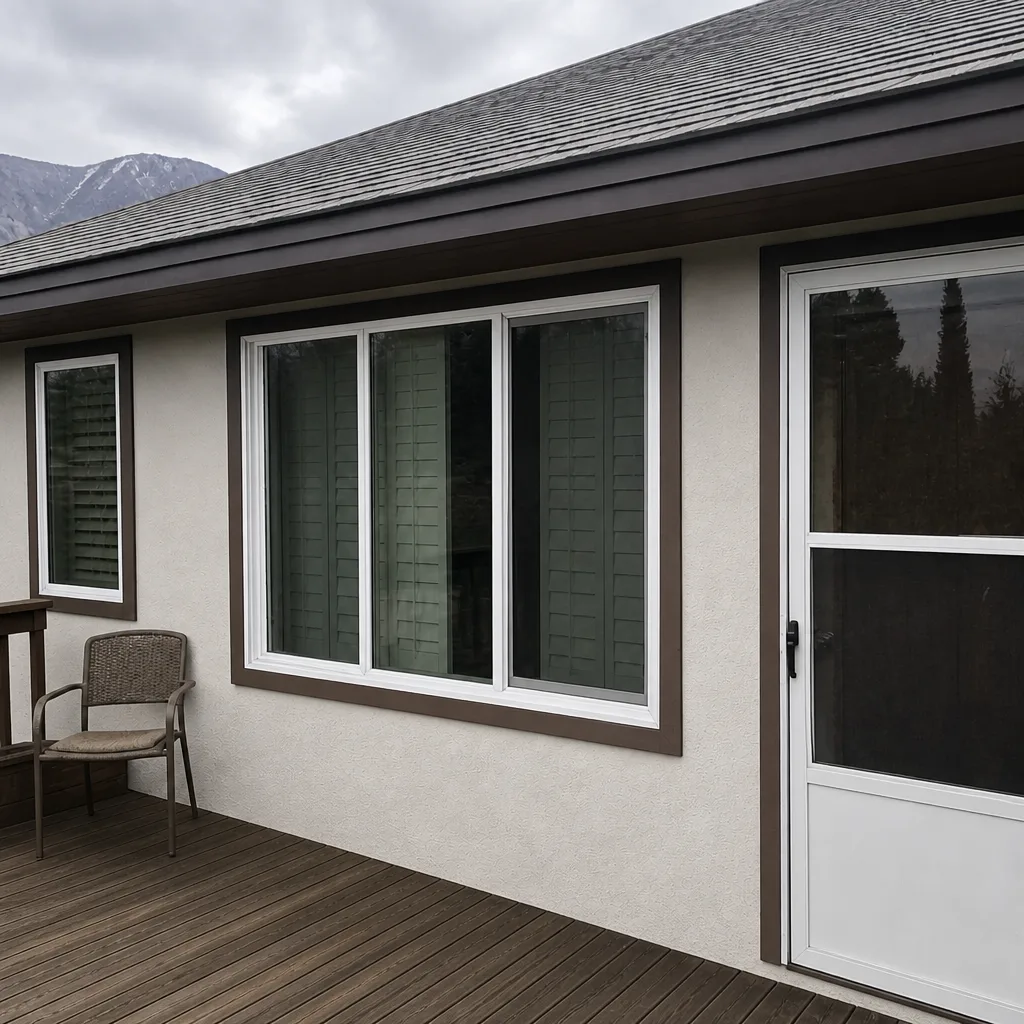 After
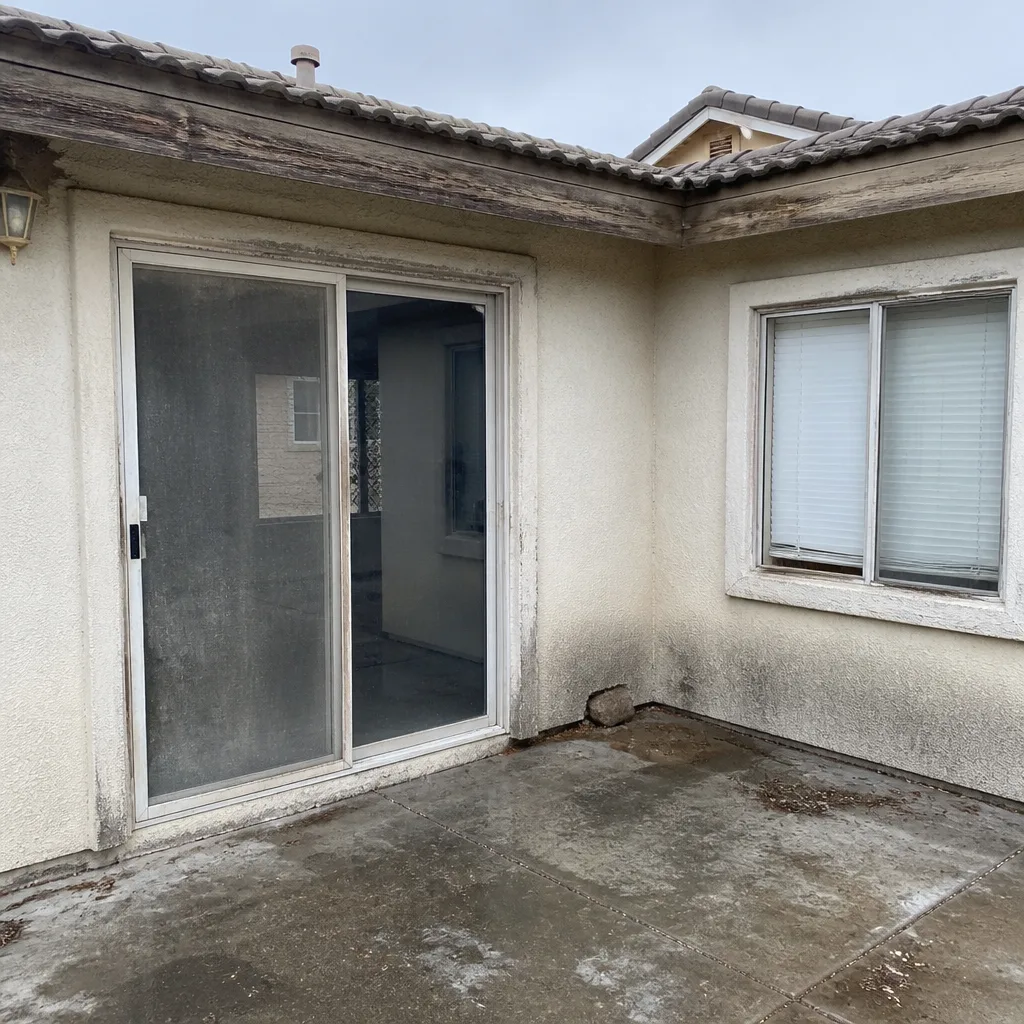 Before
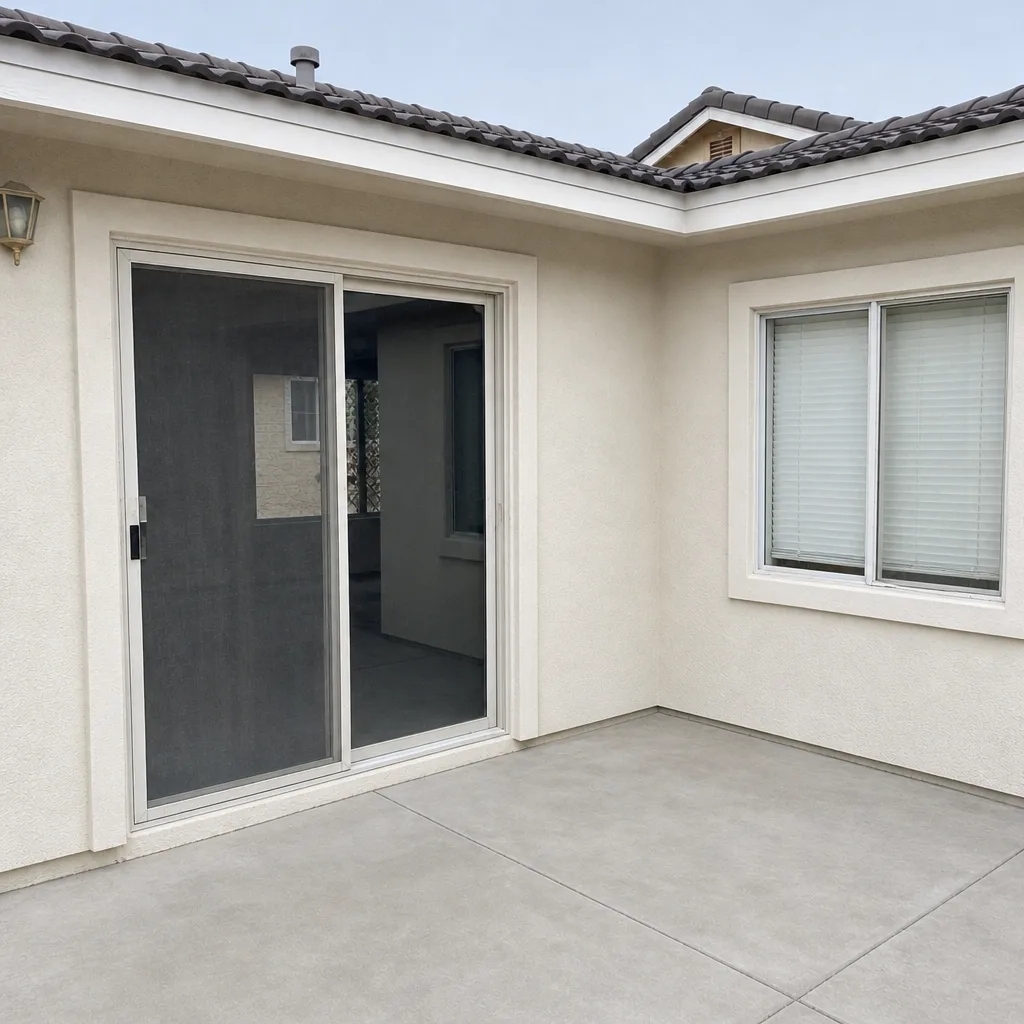 After
When to Call a Professional
Permits and code compliance aren’t the only reasons to bring in a specialist. Any job that involves changing a rough-opening size, altering the structural framing, modifying a bedroom’s egress path, or swapping glass to a spec that must match the adopted IECC version belongs in the hands of a licensed professional with direct experience in the specific jurisdiction. The same goes for any door replacement that changes the wall’s loading, and for any project where you can’t produce the permit record from the previous installation. If your home’s prior window work was done without a permit, getting a professional assessment before you list the property saves a serious headache at closing.
Winslow Windows & Doors Whitney offers free estimates in Whitney – call (844) 797-3297. Our technicians have up to 15 years of experience, every one is background-checked and arrives in uniform, and we file the permit and coordinate the inspections as part of the job. If a competitor told you the permit wasn’t needed in Whitney, we’ll confirm the county’s actual requirement at no charge on a second opinion.
Frequently Asked Questions
You need a permit in Nevada when the replacement changes the rough opening size, alters an egress path, modifies structural framing, or creates a new opening in a wall. A true like-for-like, same-size, same-type swap may not require a permit in some jurisdictions, but the exemption is defined by the local building department, not the contractor. In Whitney, that’s the Clark County building department, and the exemption threshold should be confirmed in writing before work begins. Call (844) 797-3297 for a free estimate – we’ll confirm the requirement for your specific address at no charge.
The rough-opening inspection happens after the old unit is removed and the opening is prepped, before the new unit is installed, and checks framing, anchor embedment, flashing sequence, and drainage. The final inspection happens after the unit is installed, sealed, and finished, and confirms the installed unit matches the permit scope and the approved energy spec, operates correctly, and that egress requirements are met. Skipping the rough-opening stage hides structural and weatherproofing errors behind finishes that only show up years later. Call (844) 797-3297 to schedule a free estimate before your project is scheduled.
Search the public permit database for your jurisdiction by property address, and confirm that the record lists your address, the correct scope of work, and the contractor of record matching the company on your contract. Ask for the permit number in writing before work begins. If the record doesn’t exist, the permit wasn’t pulled. For a Whitney job, use Clark County’s public permit search; for a job inside an incorporated city like Henderson or North Las Vegas, use that city’s portal. Call (844) 797-3297 for a free second opinion on any written estimate – we’ll confirm the permit status with you.
Windows in Whitney must meet the U-factor and SHGC targets set by the IECC version adopted by the jurisdiction at the time of permit application, and the installed unit’s NFRC label must match the permit spec. Because Nevada spans multiple climate zones, the exact U-factor and SHGC limits vary by region, and the Clark County climate zone weights solar control heavily. A glass package optimized for a cooler climate may not pass. Call (844) 797-3297 for a free estimate – we’ll specify the glass against the current adopted code before submitting.
Yes. Even a same-size replacement can fail inspection if the egress clear opening drops below the code minimum, the sill height rises above the allowed threshold, the glass U-factor or SHGC doesn’t meet the adopted IECC version, or the unit’s NFRC label doesn’t match the permit spec. The rough-opening inspection can also fail on improper flashing or under-sized framing. Review the permit scope and the NFRC label before installation. Call (844) 797-3297 for a free estimate – our team walks this checklist with every Whitney job.
An unpermitted window replacement can surface during a home sale as a title defect, forcing the buyer’s lender to demand a retroactive inspection, a corrective permit, or in some cases removal of the installed unit before closing. The title company pulls the permit history and compares it to the visible work. Getting a retroactive permit is possible but costs time and money, and sometimes the fix requires the unit to come back out. Call (844) 797-3297 for a free estimate on the corrective work – we handle the county paperwork.
The Bottom Line
Nevada window and door permits come down to four things: which jurisdiction has authority over the address, whether your project crosses a rough-opening, egress, or structural threshold that triggers a filing, whether the glass spec matches the adopted IECC version in effect, and whether anyone actually verified the permit and the inspections. For Whitney homeowners, the county-versus-city distinction is the piece most often missed, and it’s the piece that costs the most when it surfaces at resale. Get the permit number in writing, verify it in the public lookup tool, call for the rough-opening inspection, and keep the signed-off file with the home’s records. That’s the whole game, and it’s the difference between a clean project and a title headache.
Winslow Windows & Doors Whitney connects Whitney homeowners with licensed, insured local professionals who handle the permit, coordinate both inspection stages, and pass them the first time. We install PGT, CGI, Therma-Tru, and other authorized brands, our technicians have up to 15 years of experience, and every job is backed by the 36500-Day Done Right Promise. Call (844) 797-3297 for a free estimate, or a free second opinion on any written quote you’ve already received. A neighbor you can call at 2 a.m. – and someone will actually answer. The one down the road.
Written by the team at Winslow Windows & Doors Whitney.