
Last updated November 18, 2026
 Sliding glass doors
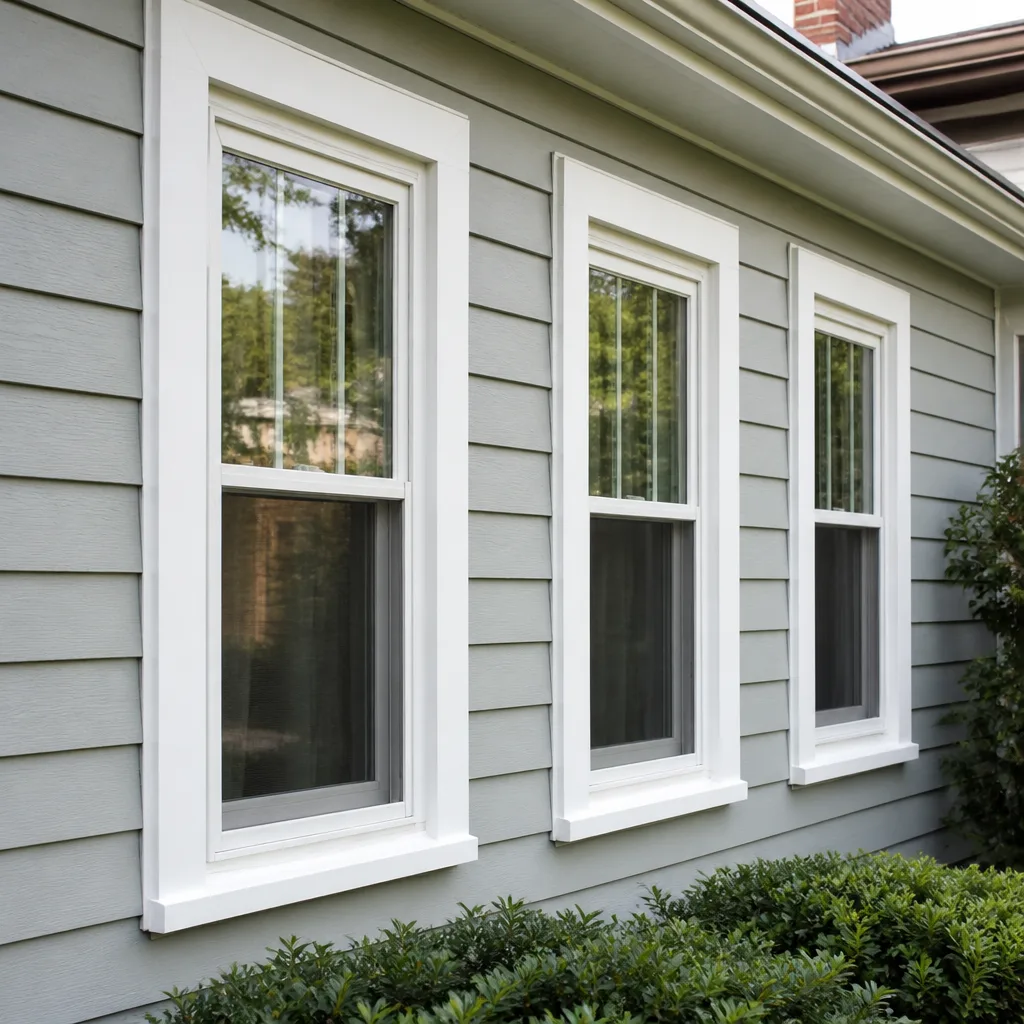 Single hung
 Double hung
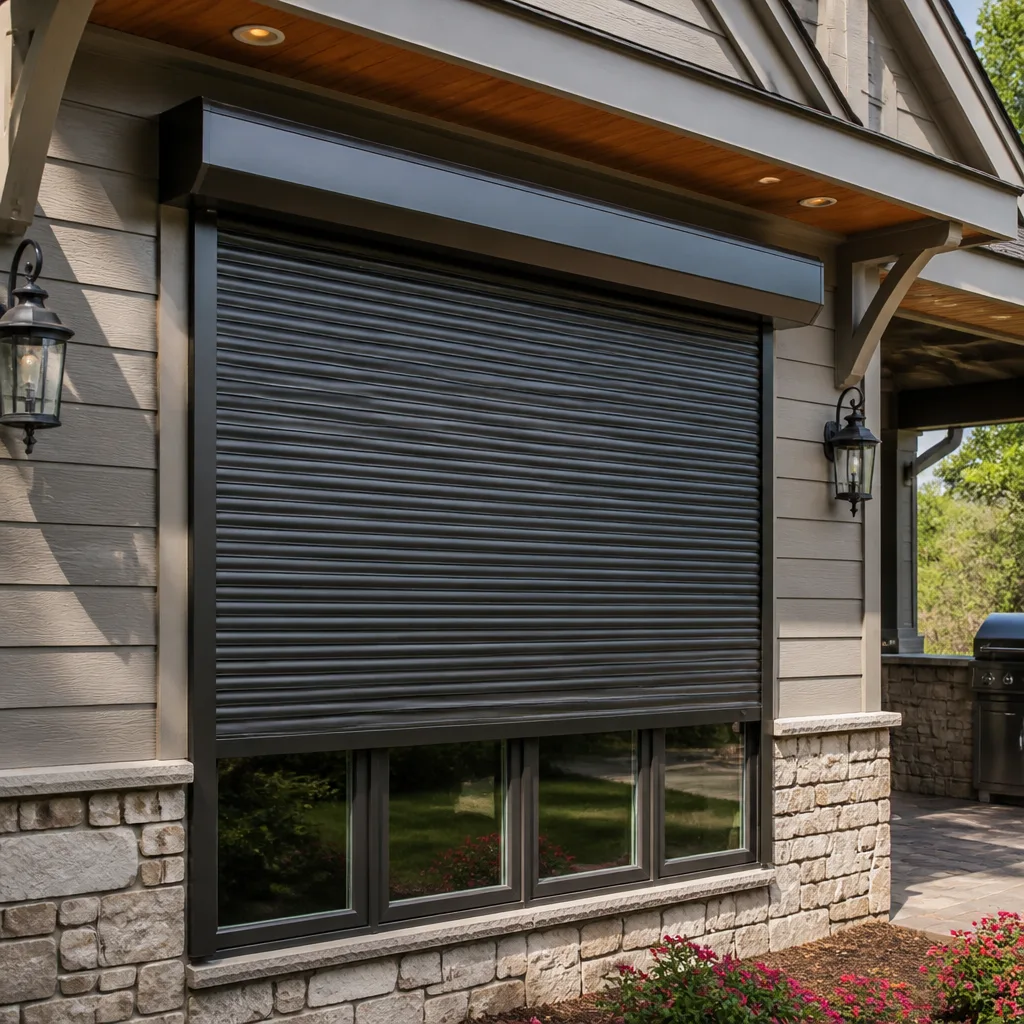 Horizontal roller
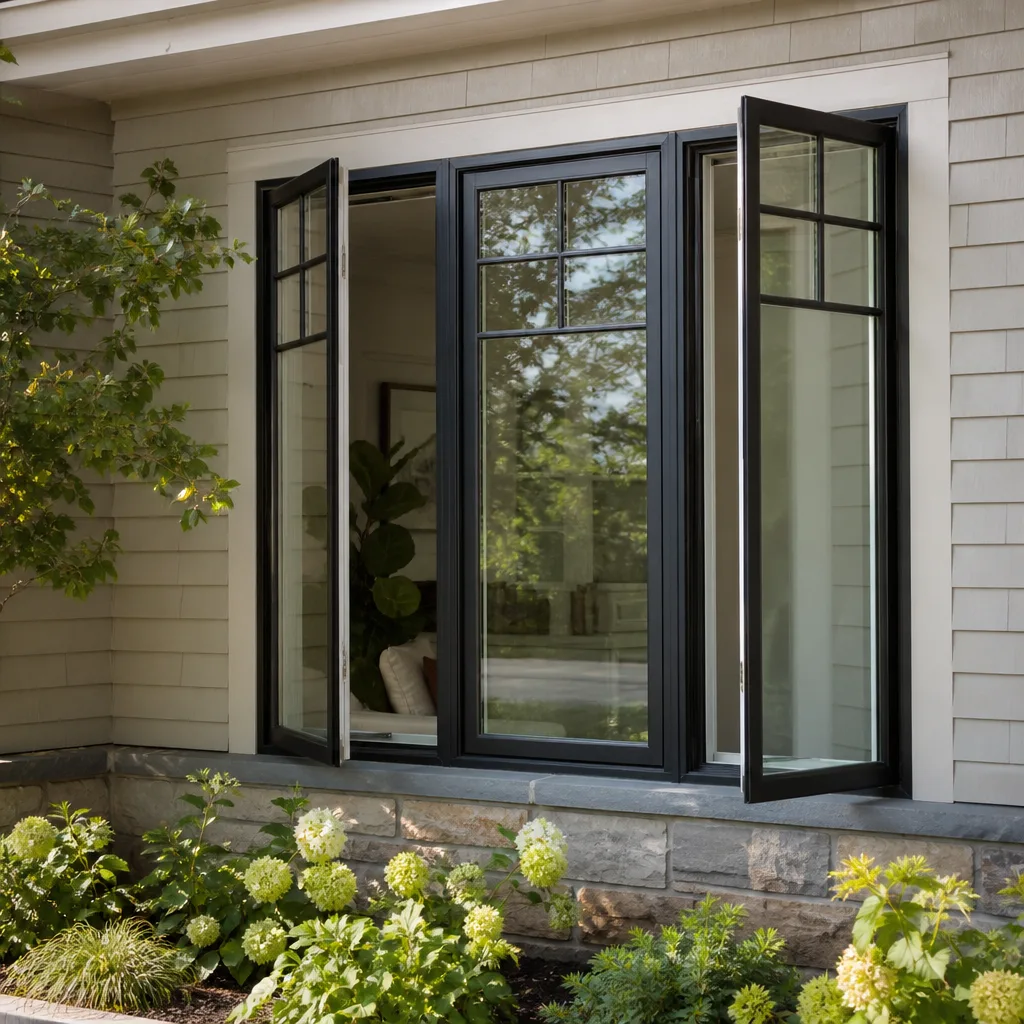 Casement
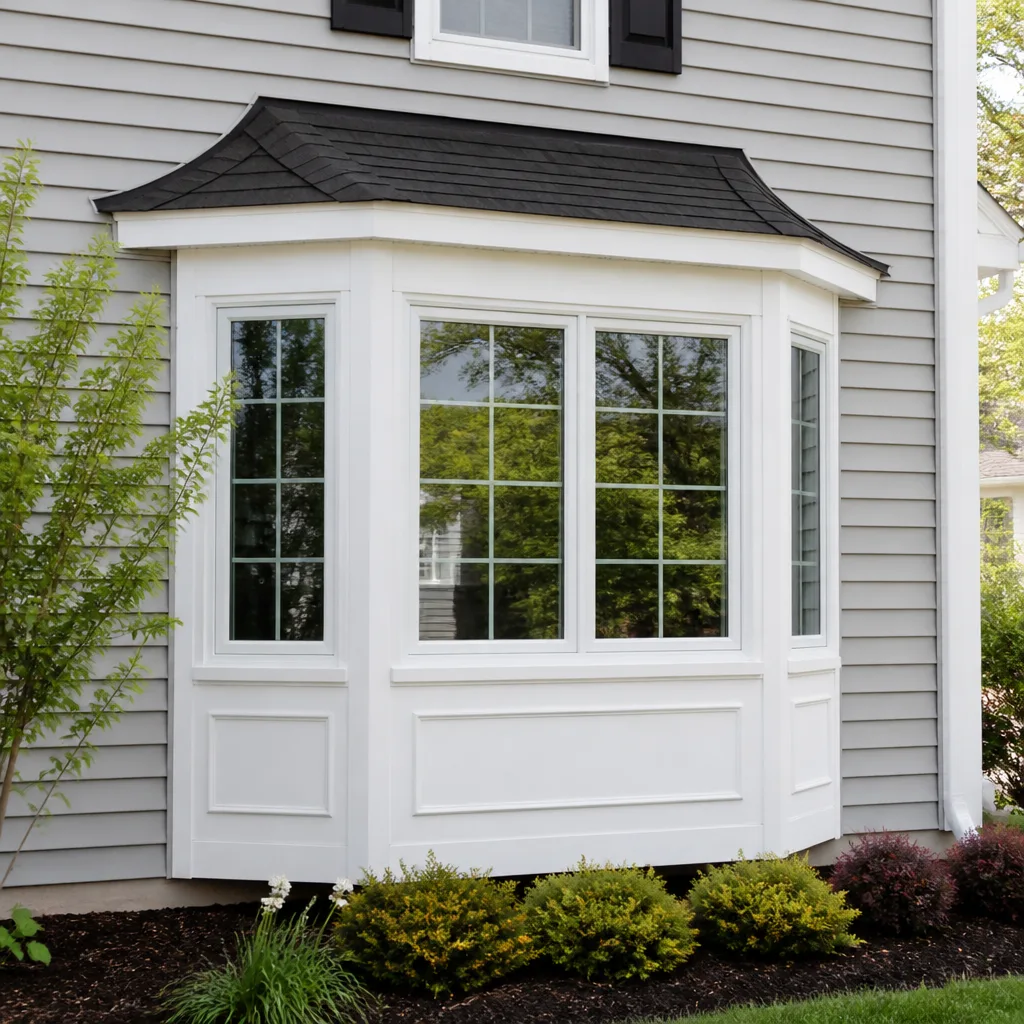 Bay & bow
 Entry doors
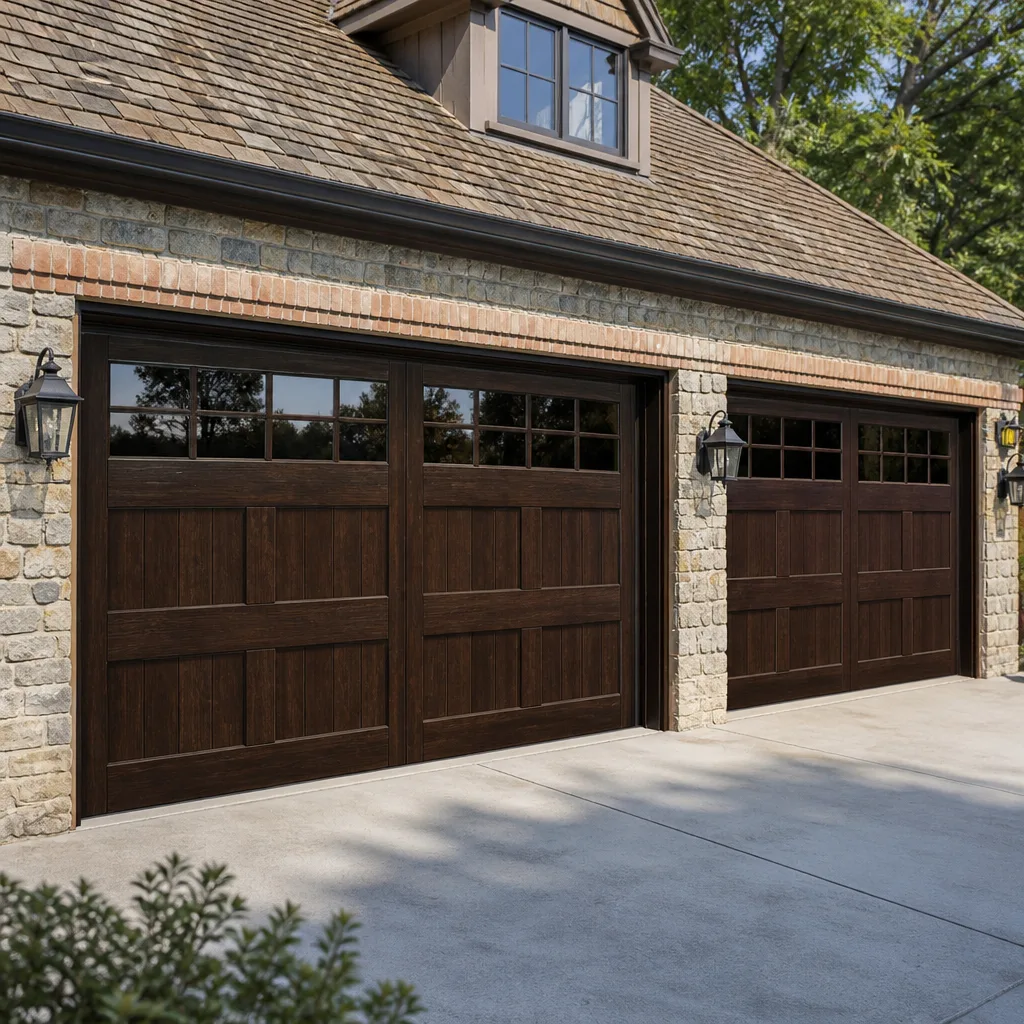 Impact garage doors
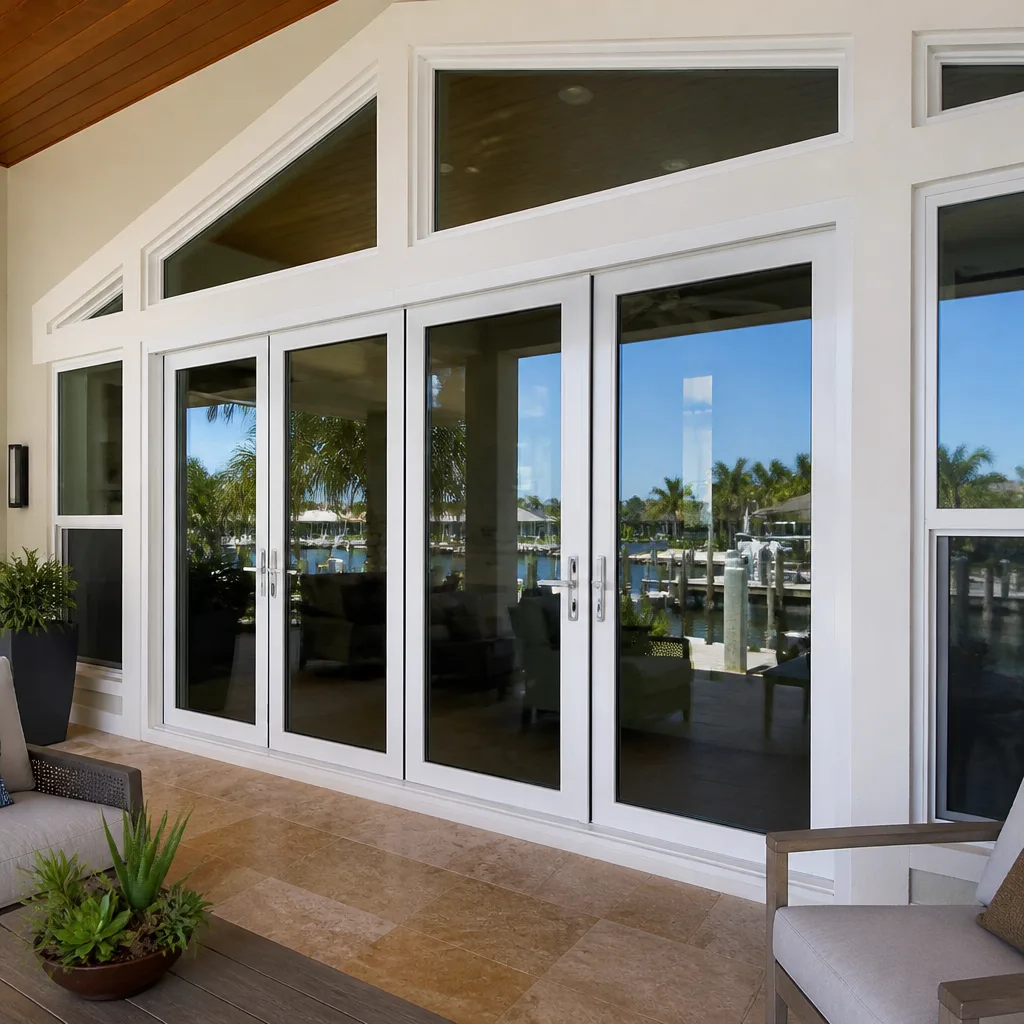 PGT
 CGI
Free in-home measure and quote - PGT, CGI and CWS impact lines compared on your actual openings, style by style
Get your free estimateSeasonal Windows & Doors Care for Whitney: Year-Round Homeowner’s Guide
The dual-pane seal failures that show up in Whitney every January are almost always set in motion the previous August. When sustained 100°F-plus heat bakes the edge-spacer compounds and desiccant beads inside a sealed glass unit, the failure is silent: no crack, no warning, just a slow break in the chemistry that holds the panes together. By the time the fog shows up in winter, the damage is months old. That’s the counterintuitive reality of caring for windows and doors in Whitney – the problems you see in one season were caused two seasons earlier. This guide maps one specific task to each of Whitney’s four stress events so you can stop reacting to failures and start preventing them.
Quick Answer
In Whitney, seasonal window and door care means clearing weep holes of desert dust in spring, managing UV and heat load in summer, replacing weatherstripping before freeze-thaw cycling in fall, and sealing frame-to-wall joints in winter. Each season brings a different failure mode to Clark County homes, and each requires its own inspection and maintenance task. Following a Whitney-specific calendar prevents the seal failures, drafts, and frame rot that coastal-market advice never addresses.
Styles & brands we work with
- Single hung
- Double hung
- Horizontal roller
- Casement
- Bay & bow
- Sliding glass doors
- Entry doors
- Impact garage doors
- PGT
- CGI
Table of Contents
- Why Whitney Windows Age Differently Than Coastal Markets
- Spring: Clearing Weep Holes and the Dust That Clogs Them
- Summer: UV, Heat Load, and the Window Film Trap
- Fall: Weatherstripping That Survives Freeze-Thaw
- Winter: Draft Infiltration and the Frame-to-Wall Junction
- Doors Need Their Own Seasonal Rhythm
- Your One-Page Whitney Seasonal Task Calendar
- When the Task Becomes a Repair
Why Whitney Windows Age Differently Than Coastal Markets
Most window care advice you’ll find online is written for coastal Florida, the Pacific Northwest, or the Northeast. All three operate on a storm-season model: batten down for hurricane season, or clear the gutters before the nor’easter. Whitney doesn’t work that way. The community sits in the Mojave’s transition zone at the eastern edge of the Las Vegas Valley, where the year splits into four distinct stress events rather than one storm window.
Spring brings sustained winds that carry silica dust and fine particulate across the valley. That dust doesn’t just coat glass – it packs into the small drainage channels at the bottom of every window frame. Summer pushes weeks of 100°F-plus highs that cook the edge seals on dual-pane glass and stress the thermal movement of vinyl frames. Fall introduces the first real temperature swings, with 40-degree day-to-night swings that force frame materials to expand and contract repeatedly. Winter finishes the cycle with overnight freezes in the upper 20s that catch any trapped moisture behind weatherstripping and turn it to ice.
Whitney homes near the McCullough Range foothills see slightly cooler overnight lows than the valley floor, and homes closer to Boulder Highway absorb more reflected heat from hardscape. Both microclimates matter. A window facing west in a Whitney subdivision with little shade is under a completely different load than one on a north-facing wall a few blocks away. Our technicians have up to 15 years of experience across these neighborhoods, and the pattern is consistent: the homes that fail earliest are the ones where nobody inspected the frames in spring.
The good news is that each of these stress events has a clear, specific maintenance response. You don’t need a contractor to handle most of it. You need a calendar that matches Whitney’s climate instead of a generic national average.
Spring: Clearing Weep Holes and the Dust That Clogs Them
Weep holes are the small, slotted drainage openings at the bottom of most modern window frames. Their job is to let water that gets behind the sash drain back outside and to allow air to circulate in the frame cavity. In a wet climate, blocked weep holes cause water to pool – obvious, visible, and quickly fixed. In Whitney, they fail differently and more quietly.
Spring dust storms drive fine silica and caliche particulate into every horizontal slot on a window frame. When that dust mixes with the trace moisture from a window wash or an overnight temperature drop, it forms a concrete-like plug. The hole looks open from a distance. It isn’t. That plug does two things: it traps moisture in the frame cavity during the occasional spring rain, and it cuts off the air circulation that keeps the cavity dry the rest of the year.
That’s how frame rot happens in a climate with less than five inches of annual rainfall. The moisture isn’t coming from the sky. It’s trapped inside a frame that can’t breathe. We’ve seen vinyl frames in Whitney subdivisions fail at the sill within a decade because the weep holes were never cleared – not because of rain, but because of trapped humidity and heat.
Here’s the spring task list:
- Clear every weep hole by hand. Use a stiff plastic brush or a bent paper clip. Never a drill bit or an awl – you’ll enlarge the slot and cause a bigger leak than you fix.
- Flush with low-pressure water. A garden hose on a light spray, not a pressure washer. Watch that the water drains out and doesn’t back up. If it backs up, the frame cavity is blocked further in.
- Check the drainage track, not just the hole. Slide the sash back and inspect the track beneath it. Dust compacts there first.
- Look for staining or soft spots at the sill. A dark stain near the weep hole suggests moisture is already pooling inside. That’s a sign the frame is compromised.
- Re-clear after any notable dust event. In a windy Whitney spring, that can mean once every few weeks.
If a frame is already soft to the touch or the sill has started to warp, clearing the hole won’t undo the damage. That’s a replacement conversation, and it’s worth getting ahead of it before the whole opening needs rebuilding. Window Replacement in Whitney covers what to expect when a frame is past maintenance.
Summer: UV, Heat Load, and the Window Film Trap
Summer in Whitney is where most of the year’s damage gets done. Weeks of sustained triple-digit heat do two things to a window: they push the edge-spacer compound that seals dual-pane units to its thermal limit, and they force the thermal expansion of every frame component against its gaskets. The seal failures that show up in winter were cooked into place in August.
The single biggest mistake Whitney homeowners make in summer is adding aftermarket UV-reflective film to a window that wasn’t rated for it. Here’s why it matters.
Modern energy-efficient windows use a low-E (low-emissivity) coating applied to one specific surface of the glass – usually the second or third surface in a dual-pane assembly. That coating reflects heat while letting visible light through. It’s engineered to work in balance with the glass unit’s own thermal properties. When you apply a dark or reflective film to the interior face of a dual-pane window that wasn’t designed for it, you create a condition called thermal stress: the filmed surface absorbs more heat than the coating on the other panes can dissipate, and the temperature differential across the sealed unit spikes. In Whitney’s summer heat, that differential can crack the glass or, more commonly, break the seal at the edge – the exact failure the window was built to avoid.
Interior window film is not a universal upgrade. Before you buy it, check three things:
- Whether the window is dual-pane or single-pane. Single-pane units tolerate interior film better; dual-pane units have a sealed cavity that film can stress.
- Whether the glass has a low-E coating. Film on top of a low-E coating can trap heat between the two reflective surfaces.
- Whether the manufacturer rates the glass for aftermarket film. Many don’t. If you’re not sure, don’t apply it.
Exterior shade is a safer summer tool. A properly sized overhang, a shade screen, or a deciduous tree planted on the west side all cut solar gain without touching the glass chemistry. For homes in Whitney that already have high-performance glass, the right summer task is simply inspecting the edge seals for any sign of cloudiness or condensation. If you spot a fogged corner in July, that unit is failing – the heat that caused it is already behind you, and it’ll be fully fogged by winter. Impact Windows in Whitney discusses how impact-rated units handle this heat load differently.
Keep the interior sashes open for airflow during the hottest stretches, and check that your window screens are intact – a torn screen lets in more heat and more dust than you’d expect. Wash glass in the early morning, not midday, so you’re not dealing with a hot surface and quick-drying streaks.
Fall: Weatherstripping That Survives Freeze-Thaw
The fall task that matters most in Whitney is weatherstripping, and it matters because of one specific mechanic: freeze-thaw cycling. As overnight temps drop toward freezing and daytime temps recover into the 60s and 70s, a strip of weatherstripping is compressed and released hundreds of times over a season. The material either recovers its shape or it doesn’t. Most of the products sold at national hardware chains don’t.
Here’s the materials breakdown and how each holds up in Whitney’s fall and winter:
EPDM (Ethylene Propylene Diene Monomer) Rubber
EPDM is the best all-around choice for Whitney. It’s a dense, closed-cell rubber that resists UV degradation, doesn’t absorb water, and recovers its shape after repeated compression. It’s the standard on quality door frames from manufacturers like Therma-Tru for exactly this reason. Expect it to hold its seal through multiple freeze-thaw cycles without memory loss. The trade-off is cost – roughly two to three times the price of foam tape per linear foot – and it’s harder to install cleanly on an existing frame without removing the door or window sash.
Foam Tape Weatherstripping
Foam tape is cheap and easy, and it’s the wrong choice for a Whitney door that faces the morning sun or the winter wind. Open-cell foam absorbs moisture, then freezes, then crumbles. Closed-cell foam is better but still compresses to a set within a single fall-to-winter season on a door that gets daily use. By January, the foam has flattened to a thin ribbon and the door leaks air at the top and bottom corners. If you use foam at all, use it only on interior-adjacent windows that don’t experience the freeze-thaw swing.
Brush Seal
Brush seals are the standard for sliding glass doors. A strip of dense bristles mounted in a rigid backing, they sweep against the track and maintain contact even as the door shifts slightly. They don’t compress-set the way foam does, and they tolerate the dust that Whitney’s spring winds leave behind. The failure mode is bristle wear – check that the brush still has body and isn’t matted flat against the track.
Fall is the time to run a hand along every door and window edge on a cold morning. If you feel moving air, the stripping has already failed. Replace it before the first hard freeze, and replace foam with EPDM wherever the door or window faces west or north. Sliding patio doors often need the brush seal checked too – Winslow Windows & Doors Whitney home has more on how we approach door and patio door service in the community.
Winter: Draft Infiltration and the Frame-to-Wall Junction
The most consequential winter task in Whitney isn’t about the window itself. It’s about the joint where the window frame meets the rough opening in the wall. That gap – usually filled with spray foam, backer rod, and caulk during installation – is where the real infiltration problems start. When it fails, the damage happens behind your drywall, out of sight, and it’s a moisture and mold issue long before it’s a visible one.
Winter in Whitney exposes those hidden gaps. As the wall assembly cools on the exterior face and stays warm on the interior, any air leak at the frame-to-wall junction condenses moisture on the cold side. Over a season, that moisture feeds mold growth in the wall cavity and can rot the framing. By the time you see a stain on the interior drywall, the problem has been developing for months.
Here’s how to check for it without tearing anything apart:
- Do the candle test or use a smoke pencil. On a cold, breezy morning, hold a lit candle or a smoke pencil about an inch from the seam where the window trim meets the wall. A flickering flame or drifting smoke means air is moving through.
- Feel the interior trim with the back of your hand. A cold spot on the trim or the drywall immediately next to it suggests the wall cavity behind is leaking.
- Check for paint cracking at the caulk line. Caulk that has pulled away from the wall or the trim is a sign the joint is moving – often because air or moisture is passing through it.
- Look for any discoloration on the drywall below the sill. A faint yellow or brown stain is the first visible sign of a moisture problem behind the wall.
- Walk the exterior on a cold morning. Frost or condensation patterns around a window frame from the outside point to a specific leak point.
If you find infiltration, the fix is usually re-caulking the exterior joint with an exterior-rated sealant and, in worse cases, opening the interior trim to re-insulate the gap. That’s a job that benefits from a trained eye – doing it wrong can make the air leak worse or trap moisture where it wasn’t before. We’re careful to say that here because a winter draft at the frame-to-wall junction is the one task on this list where a professional inspection saves real money.
For homes with older windows that have never had the junction inspected – many in Whitney subdivisions built before modern air-sealing standards – winter is the right season to have it checked. Window Installation in Whitney explains how a proper installation handles that junction from the start.
Doors Need Their Own Seasonal Rhythm
Exterior doors take more abuse than windows. A door opens and closes dozens of times a day, and its weatherstripping, threshold, and hinges all bear the load. In Whitney, doors that face west or south take on the same summer heat load as windows but with more moving parts to fail.
The spring task for doors is the same as for windows: clear the weep holes in the threshold and the drainage channels at the bottom of the door frame. Sliding glass and patio doors have tracks that collect desert dust quickly and need to be cleaned and lubricated. A dry track accelerates roller wear and can warp the door over time. A door from a brand like Therma-Tru is built to handle this cycling, but it still needs the track kept clear.
Fall is when to check the door sweep – the flap or blade at the bottom of the door that seals against the threshold. It wears fastest. If you can see daylight under the door or feel air at the base, the sweep needs replacing. Winter is when you check the door’s frame-to-wall junction the same way you check windows. Summer is when you check for warping, especially on a wood door that gets direct sun – a door that won’t latch smoothly in August is telling you it has absorbed moisture and is moving.
For doors with a glass insert – French doors, patio doors with glass panels, and entry doors with decorative glass – check the glass seal at the same time you check the door sweep. A glass insert that has started to fog or show a dark streak at the edge is failing the same edge-seal death as a dual-pane window. Products from ES Windows, ECO Window Systems, and Mr-Glass are built to handle Whitney’s temperature swings, but no seal lasts forever. When a door insert fails, it’s usually the door sweep or the seal, not the door itself, that’s the culprit.
Your One-Page Whitney Seasonal Task Calendar
Here is the whole guide, compressed into one calendar. Pin it to the inside of a cabinet door or save it to your phone. It’s built around Whitney’s actual climate data – the spring dust season, the summer heat load, the fall freeze-thaw window, and the winter moisture cycle – not a national average.
Spring (March through May)
- Clear every window weep hole by hand and flush with low-pressure water. Repeat after any dust event.
- Clean and lubricate sliding door and patio door tracks.
- Inspect screens for tears and re-spline if needed.
- Check window sills and frames for soft spots or staining from the previous season.
Summer (June through August)
- Wash exterior glass in early morning only.
- Inspect dual-pane glass for any sign of fogging or condensation – note it for fall.
- Check window screens and shade devices for UV damage.
- Do not add aftermarket window film to a dual-pane window not rated for it.
Fall (September through November)
- Run a hand along every door and window edge on a cold morning. Feel for air movement.
- Replace foam weatherstripping with EPDM on west- and north-facing openings.
- Replace door sweeps that show daylight or air gaps.
- Check brush seals on sliding doors for matted bristles.
Winter (December through February)
- Do the candle or smoke-pencil test at every frame-to-wall junction.
- Feel interior trim for cold spots on cold mornings.
- Inspect the caulk line at the exterior frame joint for cracks and gaps.
- Look for stains or discoloration on interior drywall below window sills.
One pass through this calendar covers the whole year. It takes a few hours in spring and a few hours in fall, plus a couple of inspections in summer and winter. The point is to catch the problems before they become repairs – because in Whitney, the repair that shows up in winter was set in motion in summer, and the repair that shows up in spring was often set in motion the previous fall.
Common Mistakes to Avoid
- Clearing weep holes with a drill bit or awl. Enlarging the slot creates a bigger leak path than the dust plug ever did. Use a stiff plastic brush or a bent paper clip at most.
- Applying aftermarket window film to unrated dual-pane windows. In Whitney summer heat, interior film on a window that wasn’t designed for it can crack the glass or break the seal – the exact failure you were trying to prevent.
- Replacing weatherstripping with the cheapest foam tape. Open-cell foam absorbs moisture, freezes, and crumbles by January in Whitney’s freeze-thaw cycles. It’s a season-long fix at best on an exterior door.
- Ignoring a fogged window until spring. A seal that fails in summer is fully failed by winter. Deal with it before the condensation turns into a frame moisture problem or a mold issue behind the drywall.
- Assuming a dry climate means dry framing. Trapped moisture inside a frame cavity and behind the wall is what rots wood and grows mold in Whitney – not rainfall. Trapped moisture is the enemy, not water from the sky.
- Skipping the frame-to-wall junction check because the window itself looks fine. The most expensive winter damage in Whitney happens behind the drywall, at the joint, not at the glass.
- Treating coastal storm-season advice as universal. Whitney doesn’t have a hurricane season. It has four distinct stress events. A maintenance plan built for Florida will miss every one of them.
See the difference
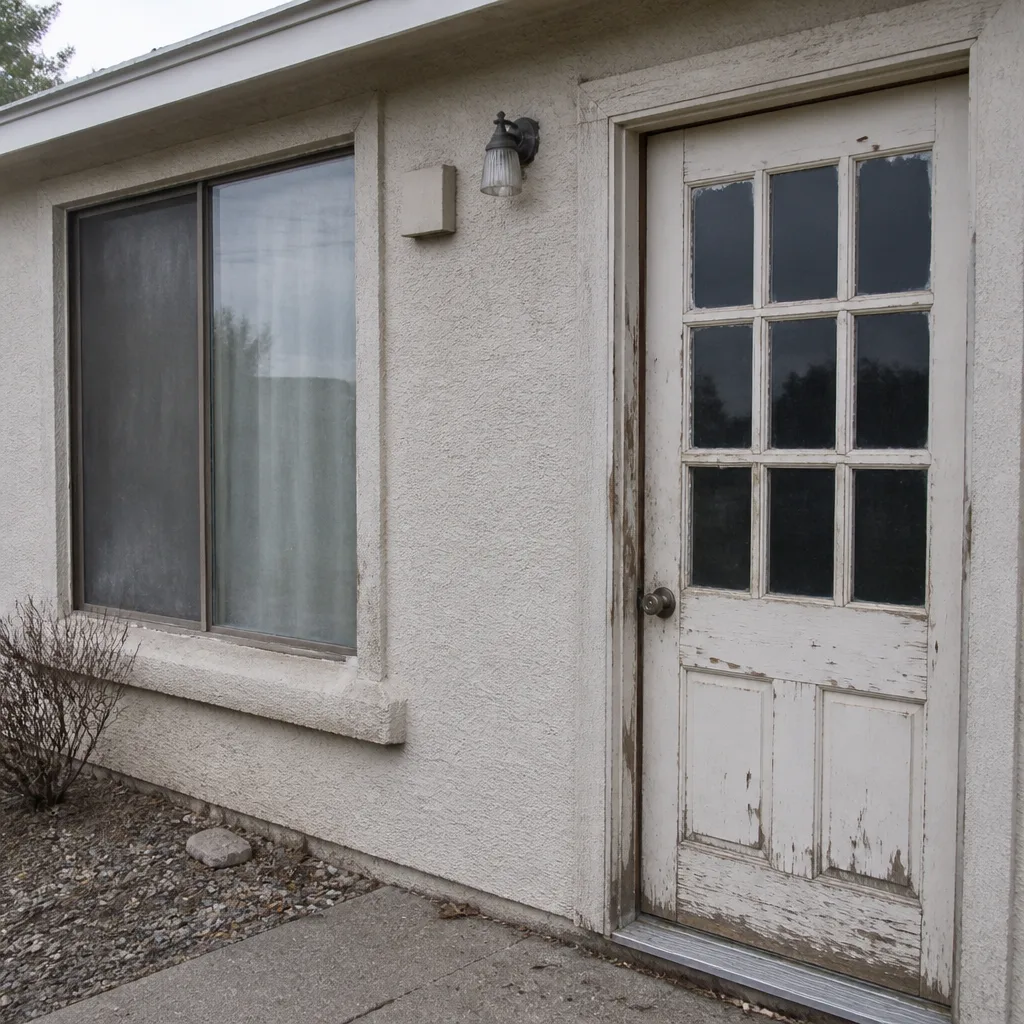 Before
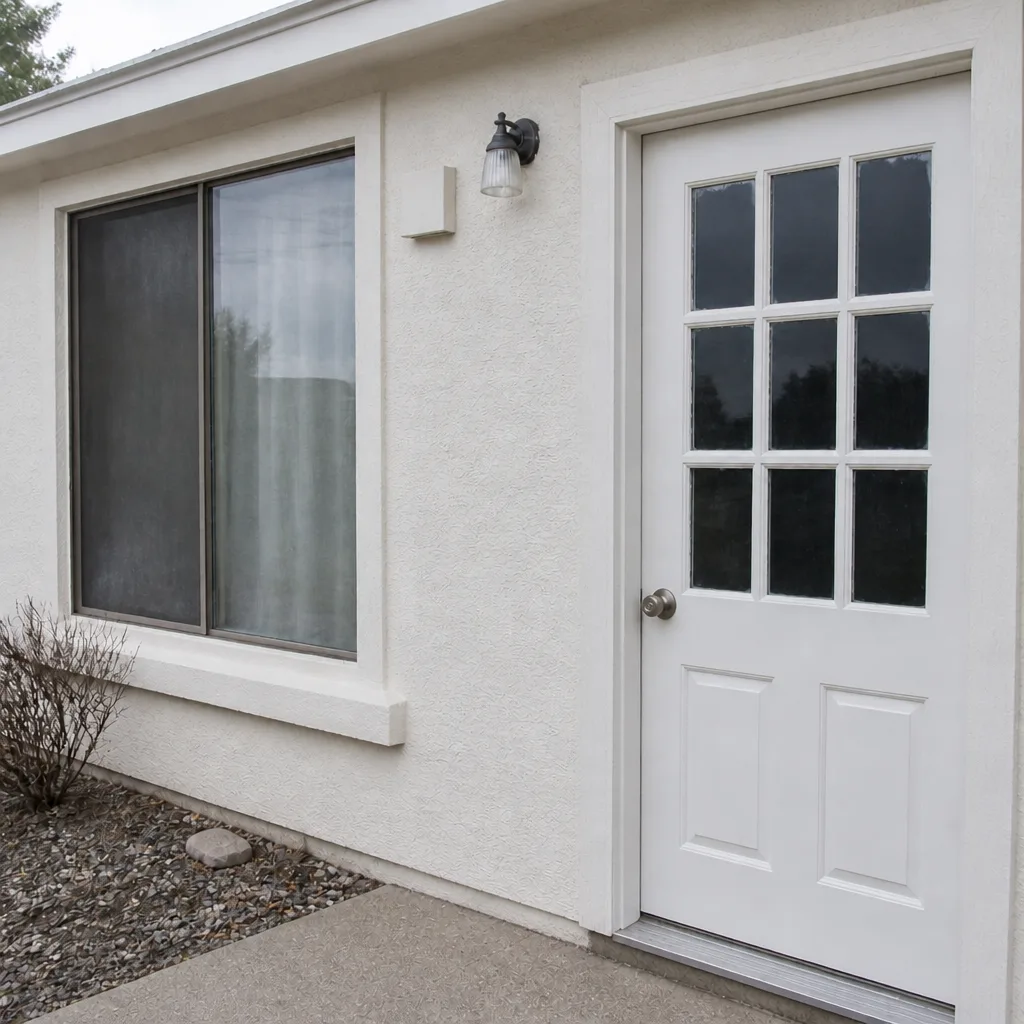 After
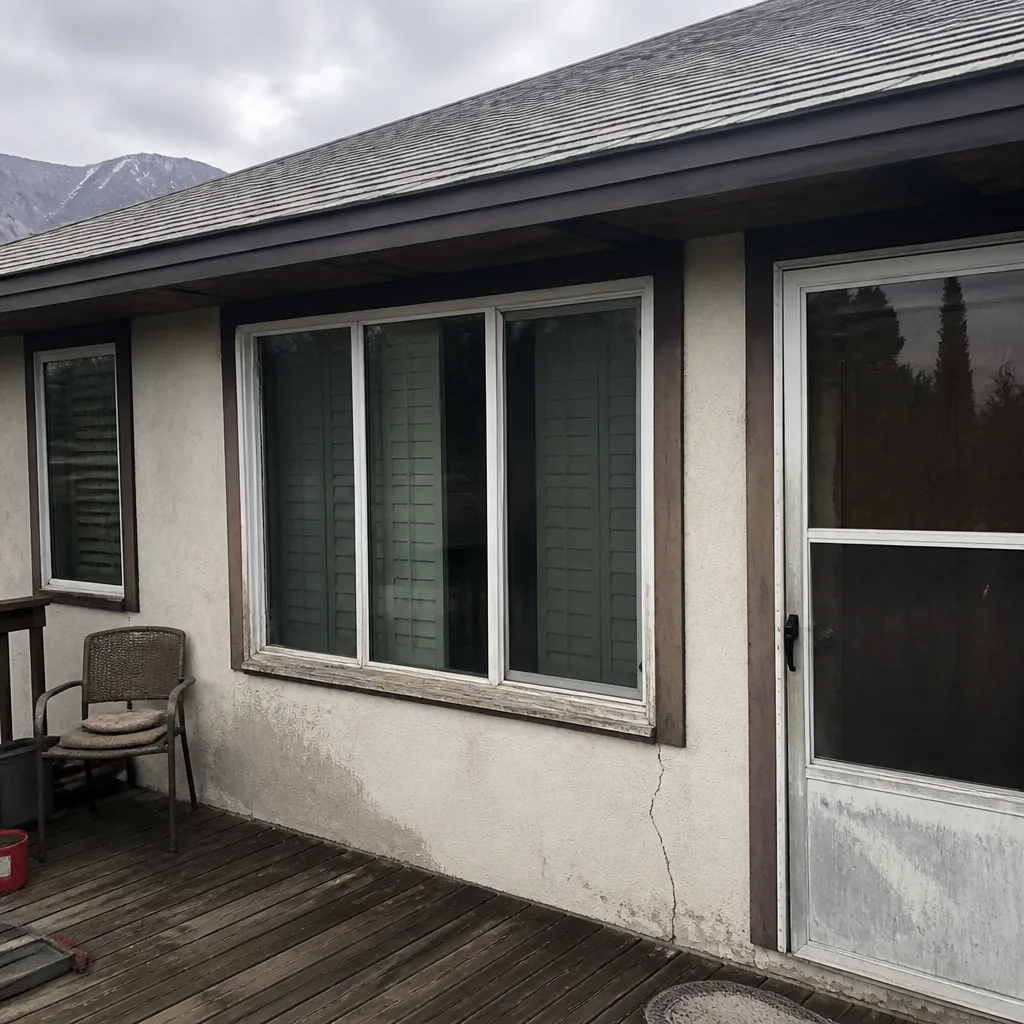 Before
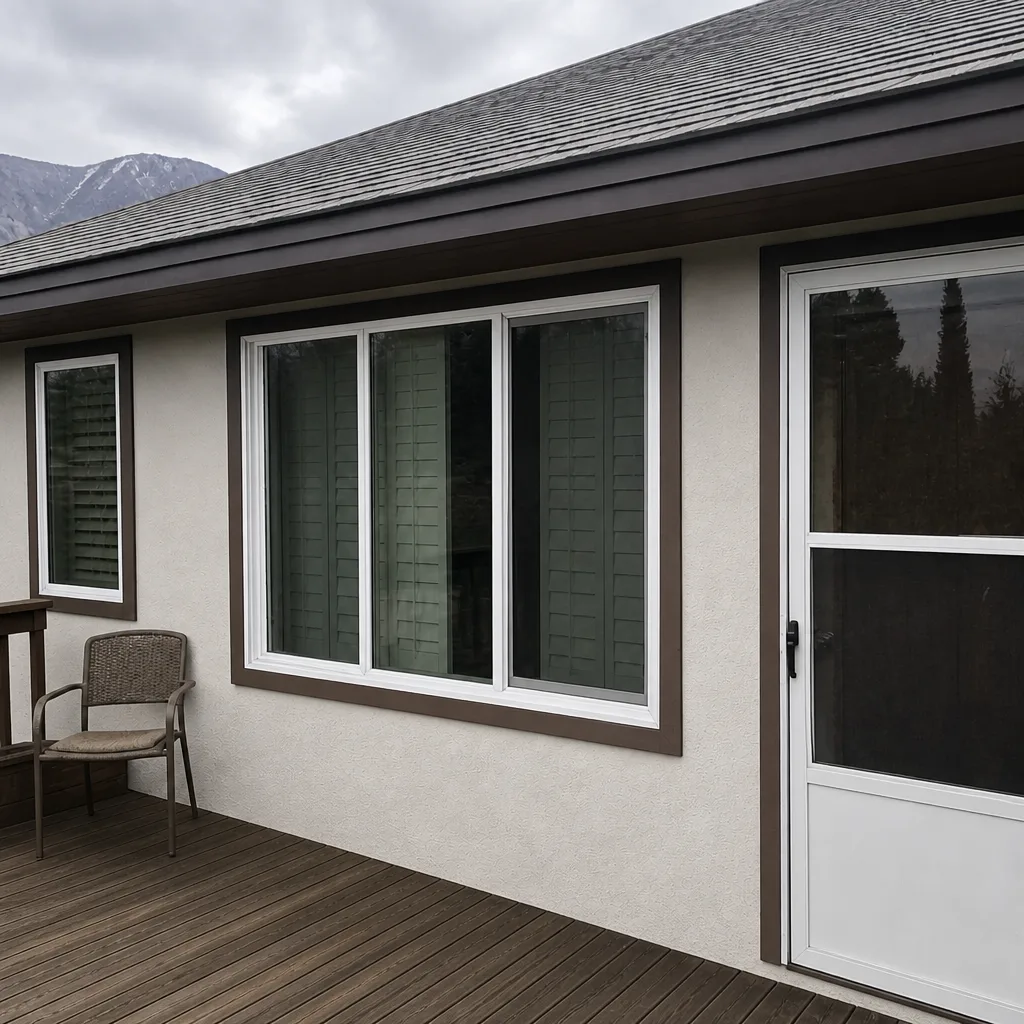 After
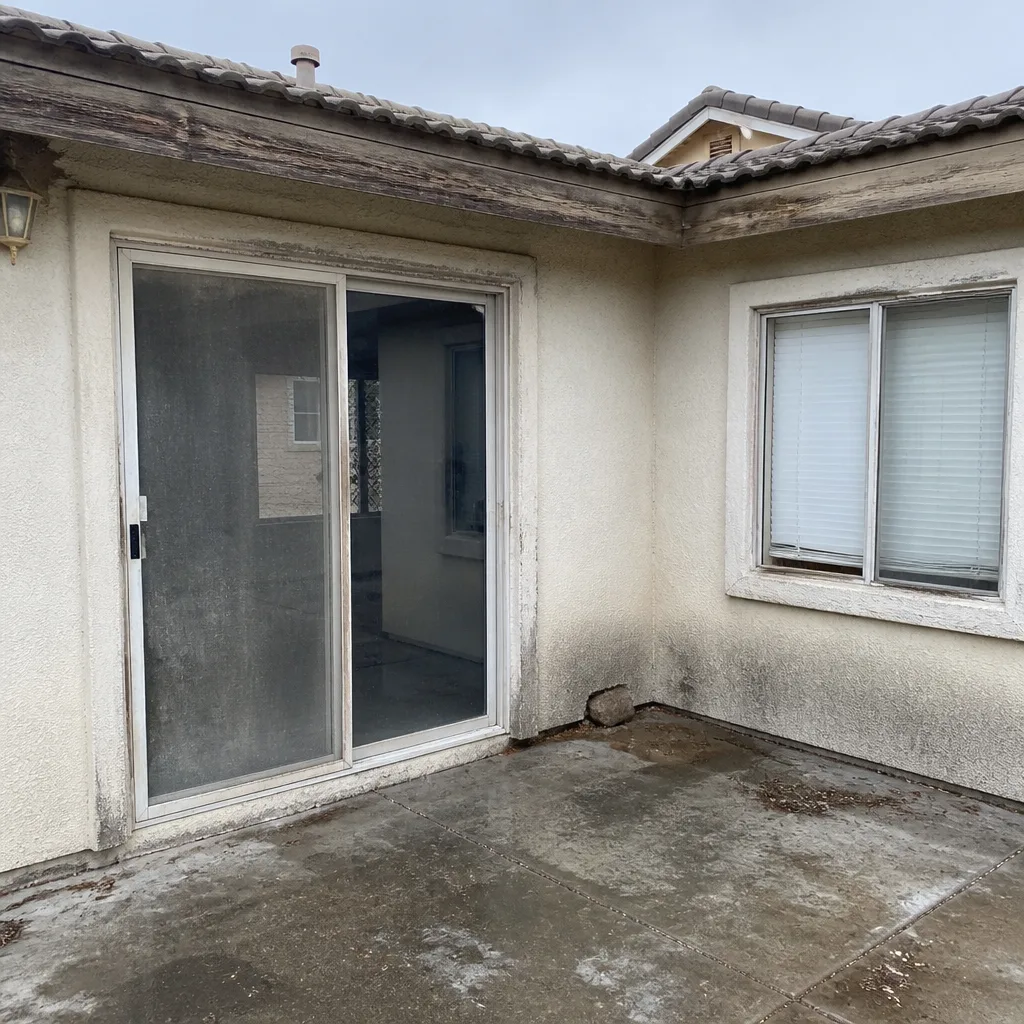 Before
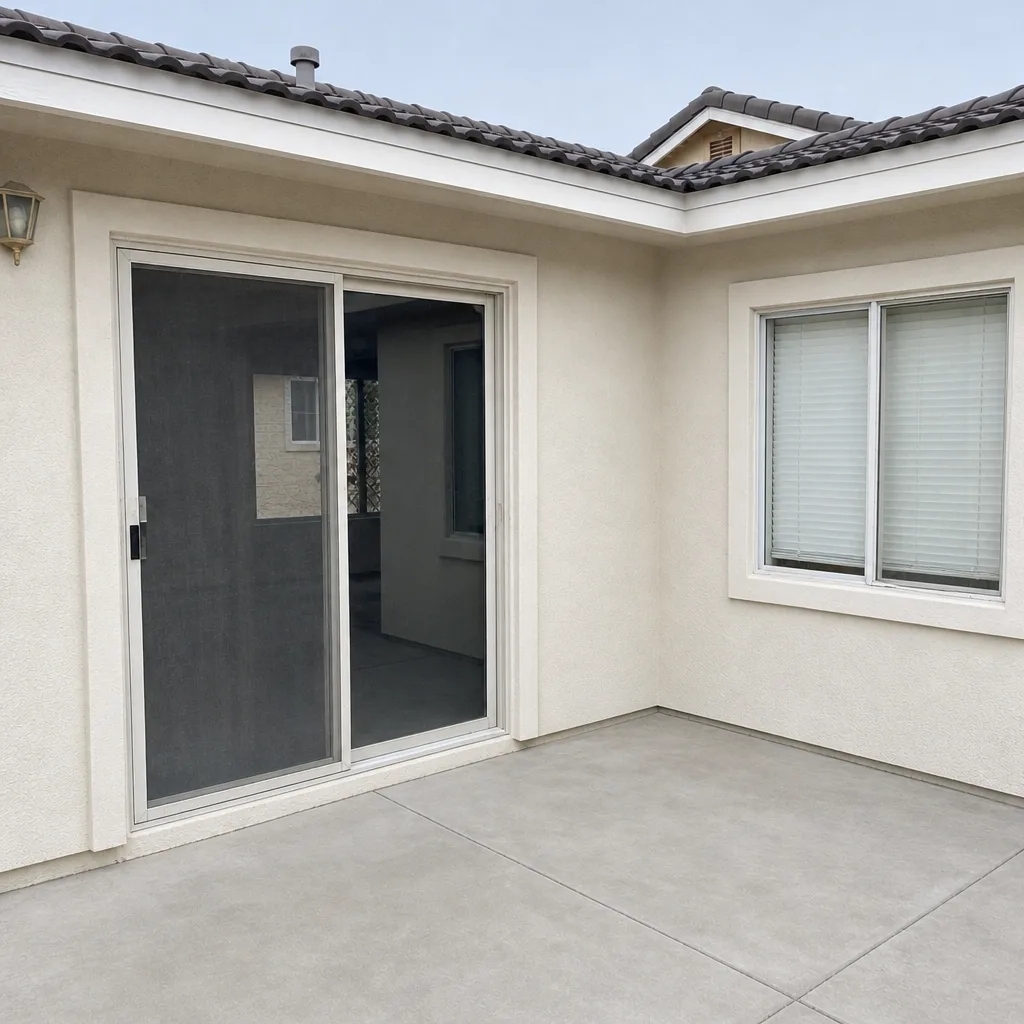 After
When to Call a Professional
Most of this calendar is homeowner work. Clear the weep holes, flush the tracks, feel for drafts, run the candle test. But a few scenarios call for a trained eye before you touch anything: any sign of soft framing or sill rot at a window base, a fogged or cracked dual-pane unit, drafts at the frame-to-wall junction that don’t respond to re-caulking, and doors that have warped or won’t latch smoothly. Those are the points where the fix is structural, not cosmetic, and where a small problem left alone becomes a wall cavity full of mold. Winslow Windows & Doors Whitney offers free estimates in Whitney – call (844) 797-3297. We’ll tell you what you need and what you don’t. The local pro connected through our network is licensed and insured as the state requires, and every job is backed by upfront written pricing.
Frequently Asked Questions
At least twice a year, in spring and fall, and more often if you live near an open lot or in an area that sees heavy spring wind. Whitney’s dust season can clog a weep hole in a few weeks, so after any notable dust storm, walk the exterior and clear them again. It takes minutes and prevents rot.
Yes, when the film is applied to the interior face of a dual-pane window that wasn’t rated for it. The film traps heat against the glass and increases the temperature differential across the sealed unit, which can crack the glass or break the edge seal. Check with the manufacturer before adding any film to a dual-pane window in a Whitney home.
EPDM rubber is the best choice for exterior doors and windows in Whitney. It resists UV, doesn’t absorb moisture, and recovers its shape after repeated compression. Foam tape compresses to a set and crumbles within a season. Brush seals are the right standard for sliding doors. Call (844) 797-3297 for an exact quote on replacing failed weatherstripping – estimates are free.
Do the candle test or use a smoke pencil on a cold, breezy morning. Hold it about an inch from the seam where the trim meets the wall. A flickering flame or drifting smoke means air is moving through – and the leak is likely at the frame-to-wall junction, not the glass. If you find one, call us for an inspection before it turns into a moisture problem.
No, it’s better to address it in fall. A dual-pane seal that fails in summer is fully fogged by winter, and the trapped moisture can migrate into the frame cavity and the wall. A seal failure caught early is a glass replacement; one left through a wet winter can mean a frame replacement too. Call (844) 797-3297 for a free estimate.
Window replacement in Whitney generally requires a permit, and the requirements depend on the scope of work and the specific jurisdiction. The local pro connected through our network pulls the permits and arranges the inspections as part of the job, so you’re not handling that paperwork yourself. Ask about it at your free estimate – call (844) 797-3297.
The Bottom Line
Whitney’s climate doesn’t follow the coastal storm-season model, and your maintenance plan shouldn’t either. Spring is about clearing the dust that clogs weep holes. Summer is about managing heat and UV load without adding film to windows that can’t take it. Fall is about weatherstripping that survives freeze-thaw. Winter is about catching drafts at the frame-to-wall junction before they become moisture and mold. Run the calendar once and you’ll catch the failures before they show up as repairs – because in Whitney, every winter window problem was set in motion in August. Written by the team at Winslow Windows & Doors Whitney.
One local company, one owner’s name on the door, and a crew that answers the phone at 2 a.m. If this guide raised a question about your own windows and doors, call Winslow Windows & Doors Whitney at (844) 797-3297 to schedule your free estimate. Upfront pricing, no trip charge inside the home county, and a free second opinion on any written estimate. The one down the road.