
Last updated November 18, 2026
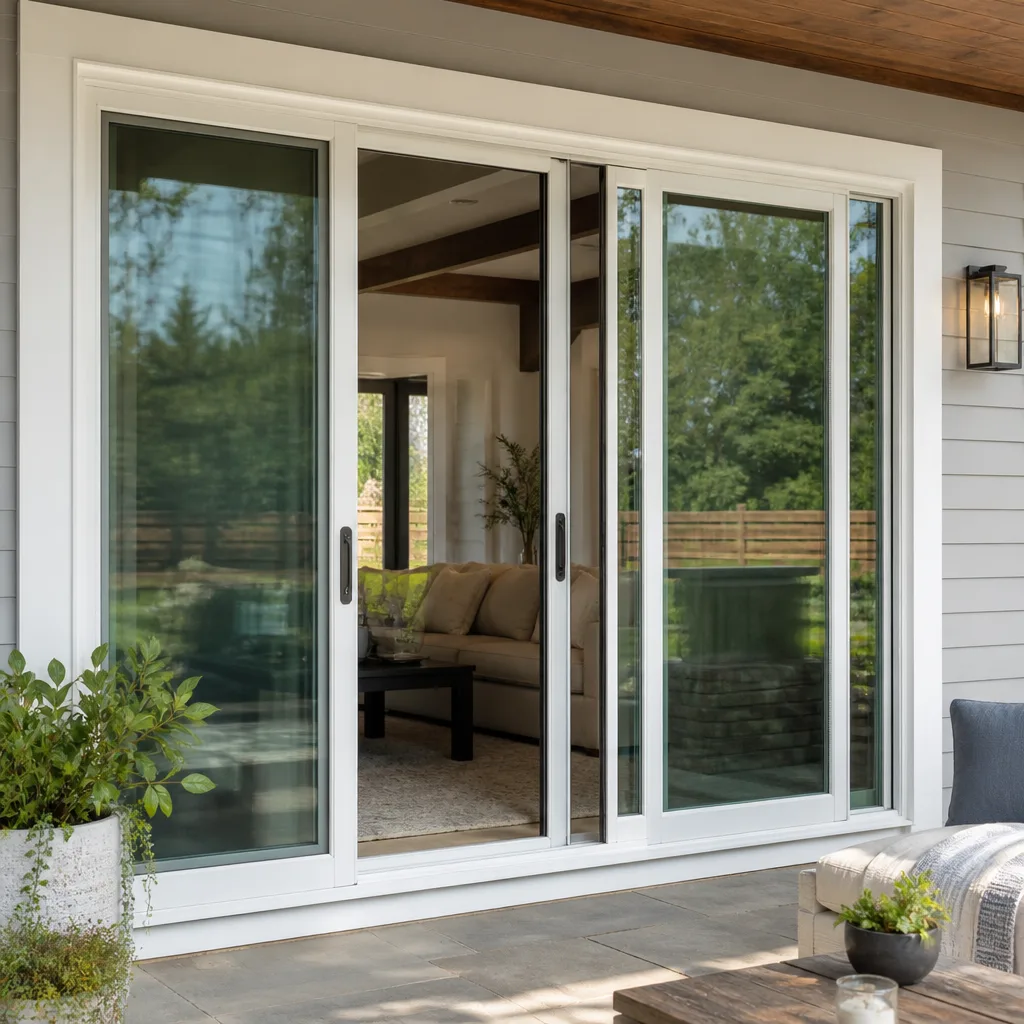 Sliding glass doors
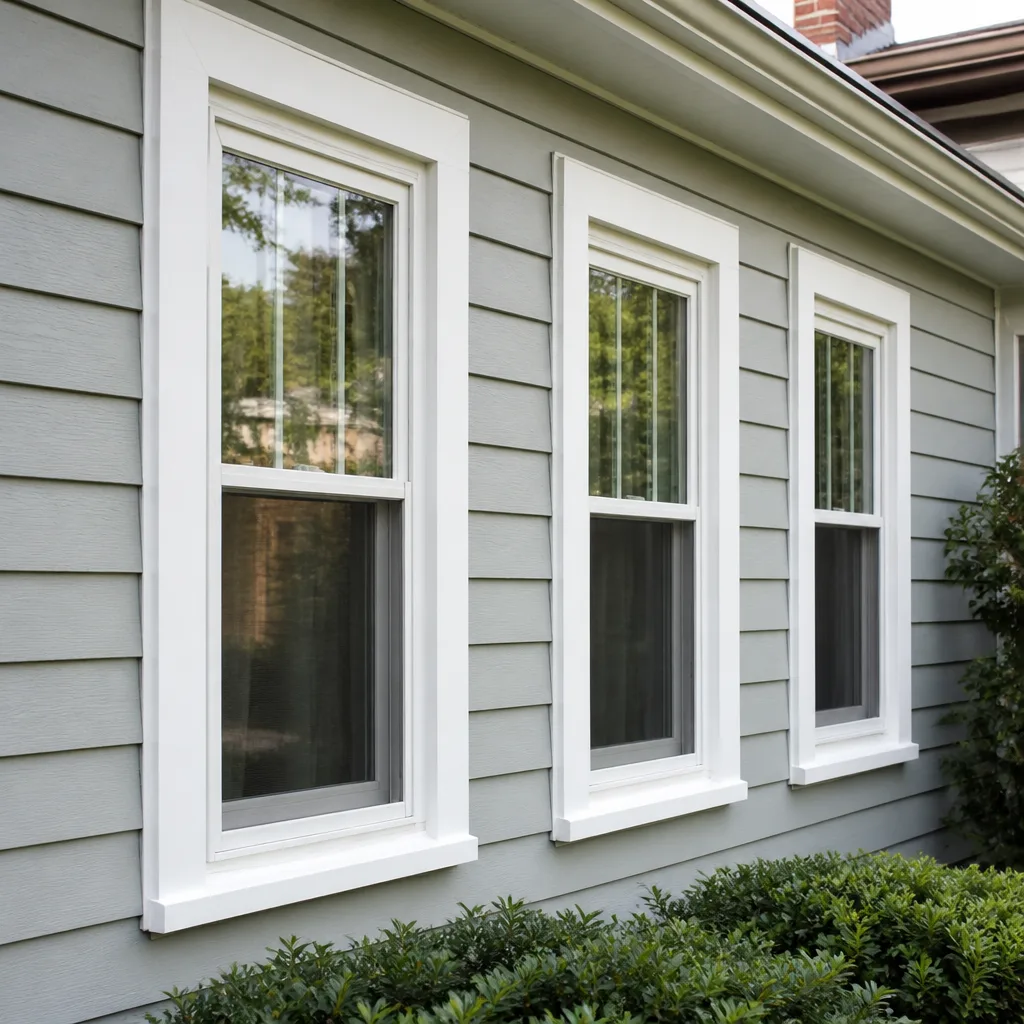 Single hung
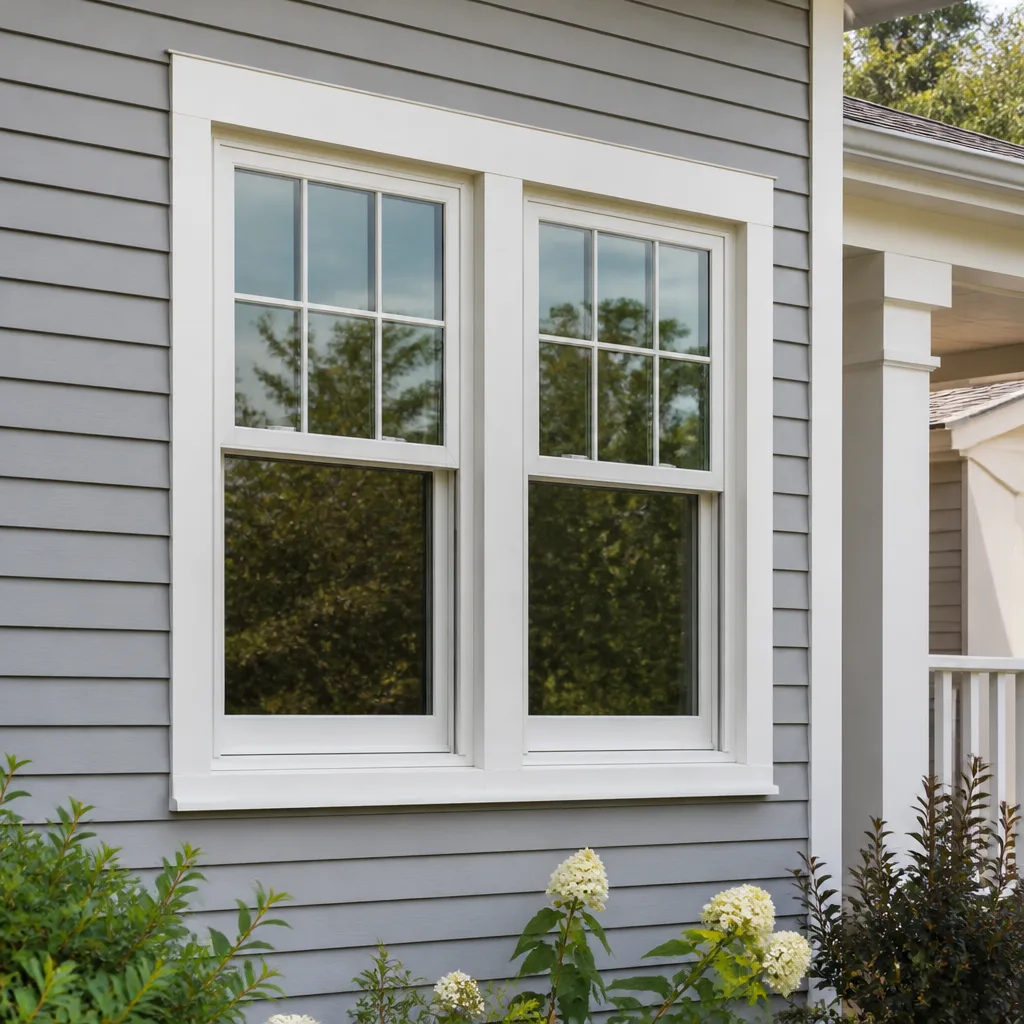 Double hung
 Horizontal roller
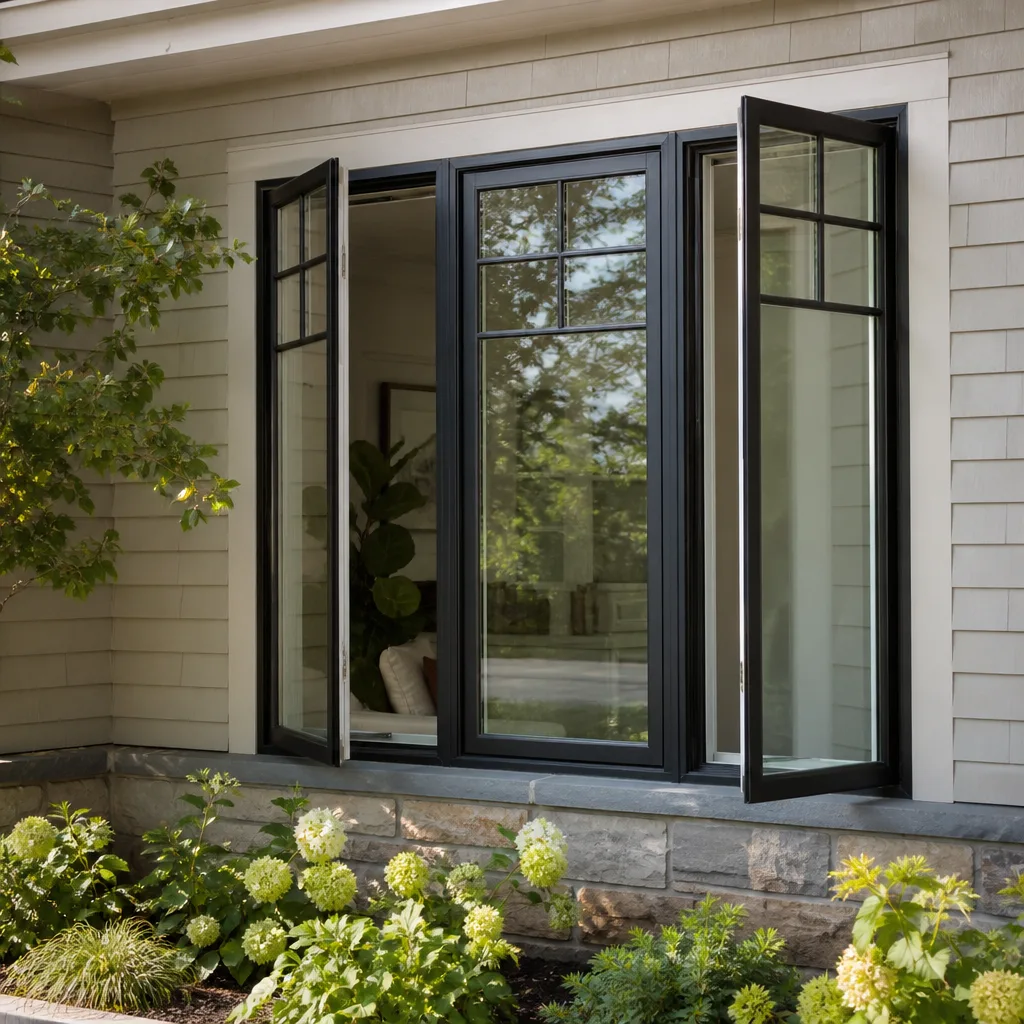 Casement
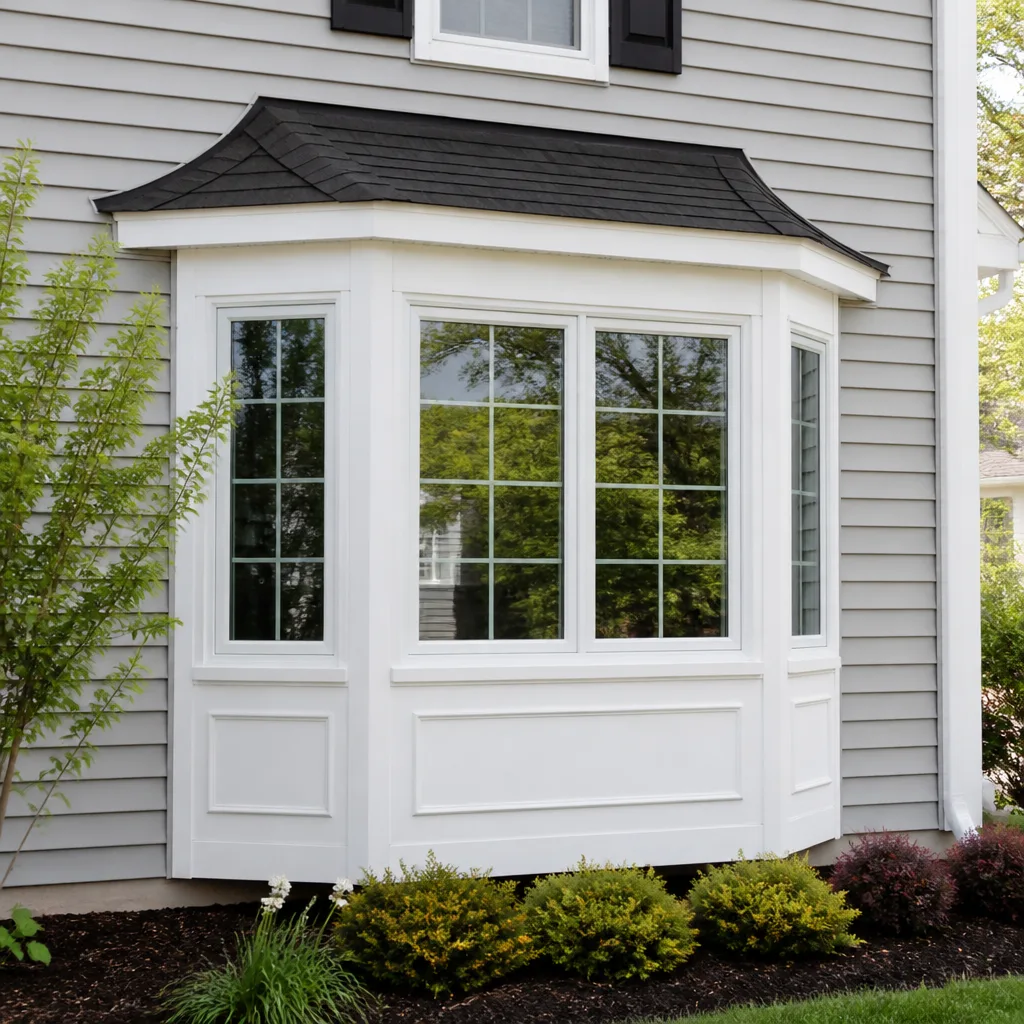 Bay & bow
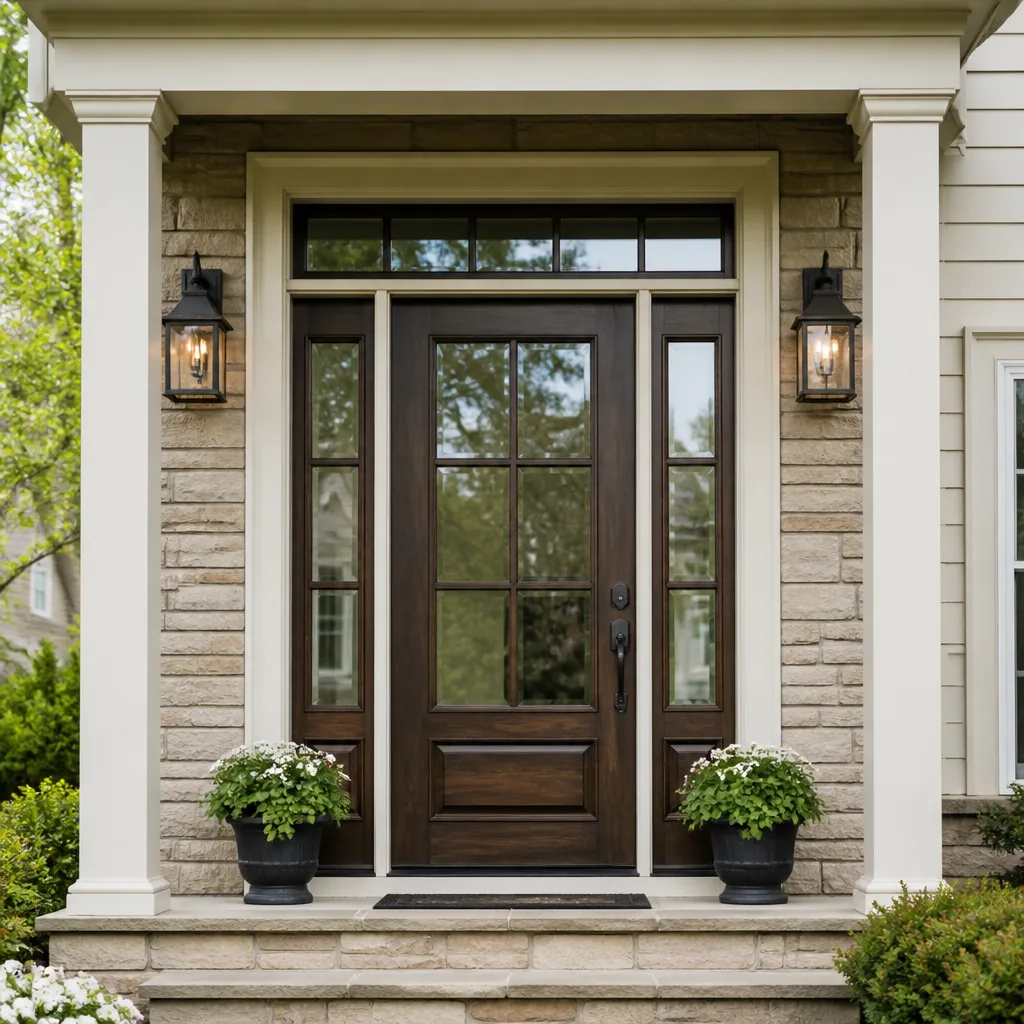 Entry doors
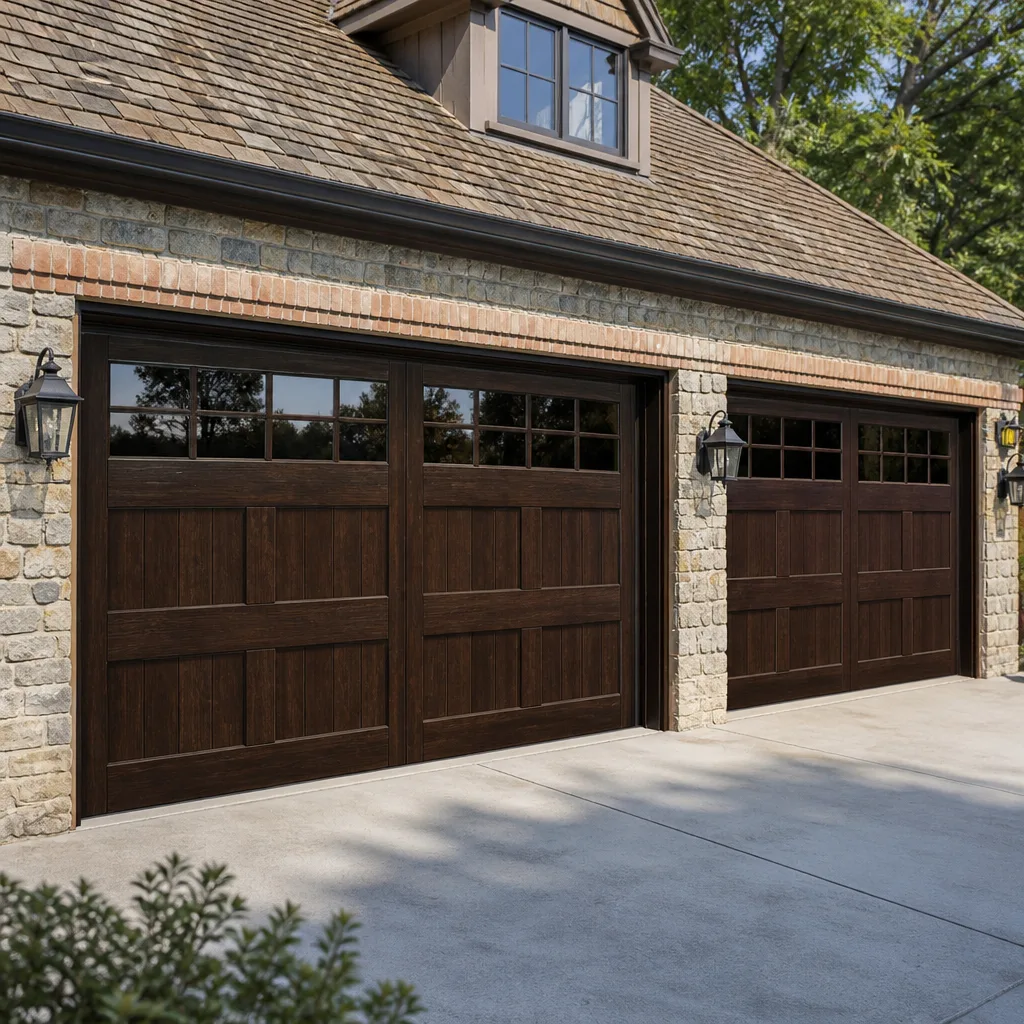 Impact garage doors
 PGT
 CGI
Free in-home measure and quote - PGT, CGI and CWS impact lines compared on your actual openings, style by style
Get your free estimateThe Complete Guide to Windows & Doors in Whitney
Most window guides are written for coastal California or the humid South. They treat Nevada as an afterthought, which is exactly why so many Whitney homeowners end up with the wrong product for the wrong climate. Whitney sits high in the desert, and the temperature here can swing more than 50°F in a single day. That swing does things to frames, seals, and glass that a guide written for San Diego will never mention. This guide is built for Whitney specifically: how the local climate stresses your windows and doors, which product classes actually make sense, and how to avoid the expensive mistakes we see most often in this part of the valley.
Quick Answer
The right windows and doors for Whitney are impact-rated or dual-pane desert-spec units chosen for high thermal cycling, not the standard low-E packages sold at lower elevations. Frame material, seal quality, and door threshold specs matter more here than almost anywhere in Nevada, because Whitney’s elevation and daily temperature swings punish anything rated for mild coastal conditions. Match the product to the climate first, and the rest of the buying decision gets a lot simpler.
Styles & brands we work with
- Single hung
- Double hung
- Horizontal roller
- Casement
- Bay & bow
- Sliding glass doors
- Entry doors
- Impact garage doors
- PGT
- CGI
Table of Contents
- How Whitney’s Climate Changes Everything
- The Product Classes That Actually Fit Whitney
- Frame Material: Why It Matters More Here
- Doors, Thresholds, and Wind Corridors
- Full Exterior Protection as One System
- Matching PGT, CGI, and Therma-Tru to Whitney Needs
- What a Proper Whitney Installation Looks Like
- What Windows and Doors Cost in Whitney
How Whitney’s Climate Changes Everything
Whitney sits at elevation, and the number that drives window and door performance here is the daily spread between afternoon heat and overnight cool. A frame can be baking on a south-facing wall at 3 p.m. and contracting against a desert night by 10 p.m. Multiply that cycle by 365 days a year, and you start to understand why products engineered for a mild, stable coastal climate fail early out here.
What the thermal cycling actually does to your windows and doors:
- Frame expansion and contraction. Vinyl is more sensitive to this than most homeowners realize. Over thousands of cycles, a frame that flexes more than it should can work its weatherstripping loose and open small gaps at the corners.
- Seal integrity in insulated glass units. The factory seal that keeps argon or krypton gas inside a dual-pane unit is the part that fails first. Once it does, you get fogging between the panes, and the insulating value drops.
- Weatherstripping and gaskets. Rubber and foam compress and harden faster in dry desert air with big temperature swings. That’s the hidden failure point on most doors.
- Caulk and sealant joints. Exterior sealant takes more movement here, so the joint around every rough opening needs to be set up to flex, not crack.
In our experience working across Whitney, the units that fail in the first five to seven years almost always failed at a joint, a seal, or a gasket, rarely at the glass itself. The glass is usually fine. It’s the system around the glass that gives out. That’s the whole argument for buying for this climate instead of for the national brochure.
The Product Classes That Actually Fit Whitney
Walk into a big-box store and you’ll be shown three or four standard packages, none of which were chosen with high-desert performance in mind. Here’s how the main product classes shake out for Whitney homes.
Impact-Rated Windows
Impact-rated units use laminated glass with an interlayer that holds the pane together if it breaks, plus a heavier frame and anchoring system. In Whitney, the value isn’t hurricane protection. It’s the heavier build, better seals, and stronger frame that handle desert temperature cycling far better than a light-duty unit. The same construction that resists a flying object resists the daily expansion and contraction out here. If you want the deep dive, our guide to Impact Windows in Whitney covers the specs in detail.
Dual-Pane Desert-Spec Units
A dual-pane unit built for desert conditions means a wider air space, low-E coating tuned for intense sun, and argon fill. The desert-specific tuning is the part homeowners miss. A generic low-E coating optimized for a temperate climate won’t reject solar heat gain the way a desert-tuned coating does, and your cooling bill pays the difference every summer.
Standard Low-E
Standard low-E makes sense on shaded elevations or in rooms that don’t take direct afternoon sun. On a west-facing wall in Whitney, it’s usually the wrong call. This is where a national salesperson’s default pitch breaks down: the same package they sell everywhere isn’t tuned to which side of the house your windows face.
The Quick Comparison
- Impact-rated: Heaviest frame and anchoring, laminated glass, built to hold up under movement. Best for full-home replacement and high-wind exposure.
- Dual-pane desert-spec: Strong thermal performance, desert-tuned low-E, argon fill. Good all-around choice for most Whitney homes.
- Standard low-E: Fine for shaded or north-facing openings, weaker on direct west and south exposure.
- Single-pane: What many older Whitney homes still have. Highest heat gain, weakest seals, the first thing to replace.
Frame Material: Why It Matters More Here
Frame material is the decision that determines how long your windows hold their seal in Whitney. The glass gets all the marketing attention, but the frame is what has to survive thousands of daily temperature cycles without flexing enough to break the weatherstripping or open a corner joint.
Here’s how the common options compare for this climate:
- Vinyl. Affordable and the most common choice. The catch is that vinyl moves more with temperature than aluminum or fiberglass, so the quality of the frame’s internal reinforcement and the welds at the corners matters enormously. A well-built vinyl unit does fine in Whitney. A cheap one flexes early.
- Aluminum. Strong and stable, but it conducts heat and cold. Unless it’s a thermally broken aluminum frame, it transfers heat straight through and can frost or sweat at the joints. In Whitney, thermal breaks aren’t optional.
- Fiberglass. The most dimensionally stable of the common options. It expands and contracts less with temperature than vinyl, which is exactly what a high-desert climate rewards. It costs more, and for west- and south-facing walls it’s often worth it.
- Wood and wood-clad. Beautiful, and a real option on a custom home, but the exterior cladding has to be maintained against sun and dry air. Wood that isn’t sealed and kept up will check and split here faster than in a milder climate.
Our rule of thumb for Whitney: on the shaded sides of the house, a good vinyl frame is fine. On the hot west and south exposures, spend the extra on fiberglass or a heavily reinforced vinyl frame. That’s where the cycling is hardest, and that’s where a cheap frame shows its age first. If you’re weighing a full swap, our guide to Window Replacement in Whitney walks through how to scope it room by room.
Doors, Thresholds, and Wind Corridors
Doors fail differently than windows in Whitney. The glass is rarely the problem. The threshold, the weatherstripping, and the sweep at the bottom of the door are what give out, and the culprit is wind plus dry air plus dust.
Whitney sits in a wind corridor, which means your entry and patio doors take a beating that a door in a sheltered neighborhood never sees. Fine desert dust works its way into every gap and acts like sandpaper on gaskets and sweeps. Dry air hardens the weatherstripping. Wind pushes against the door, and a threshold that isn’t properly specified or set lets air and dust channels open up along the bottom and sides.
What the specs should include for a Whitney door:
- A proper threshold with a positive seal. Not just a sill plate. The threshold needs an adjustable or compressible gasket that seals tight against the door bottom and stays sealed through temperature swing.
- Compression weatherstripping, not just the cheap self-adhesive foam kind. Foam breaks down in dry heat. A bulb or kerf-mounted seal holds up far longer.
- Heavy-duty hinges and a reinforced frame. Wind pressure on a wide patio door loads the frame. A flimsy frame racks, and once it racks the seal is gone.
- Proper flashing at the exterior. Desert rain is infrequent but intense when it comes. Water at the threshold is the single most common cause of rot and callbacks on exterior doors.
For a patio or sliding glass door, the track and rollers take the abuse. Ask how the track drains and how the door seals against wind at the jamb. A Therma-Tru entry system matched to a properly specified threshold is a common pairing we install in Whitney, and the door itself is only half the job. The threshold is the other half. The Winslow Windows & Doors Whitney home page has the full picture of what we install.
Full Exterior Protection as One System
Here’s a concept most window companies won’t explain: your windows, doors, and roof are one envelope, and in Whitney the envelope only works if all three parts cooperate. An energy-efficient window in a wall that’s leaking air around the rough opening is a window with no job. A door sealed to a perfect threshold under an eave that channels water onto the threshold is a door setting itself up to fail.
What “full exterior protection” means in practice:
- Airtight rough openings. Every window and door gets flashed and sealed at the opening so outside air and dust stay outside. This is invisible work, and it’s the difference between a window that performs and one that doesn’t.
- A roof that keeps water away from the openings. Roof edges, eaves, and gutters decide where water goes. When they send it toward a door threshold or a window sill, no seal lasts.
- Consistent solar and thermal strategy. The same tuning that governs your windows should govern the shade and ventilation around your doors, so heat gain is managed as one system instead of window by window.
- One accountable installer. When one company handles windows, doors, and roof repair and replacement, nobody can point at the other trade when a leak shows up. The responsibility stays in one place.
This is why we treat exterior protection as a single discipline. It’s also why a proper window or door project in Whitney starts with a walk of the whole exterior, not just the room that needs help. For the product side of that system, our guide to Window Installation in Whitney shows how the openings are prepped and sealed.
Matching PGT, CGI, and Therma-Tru to Whitney Needs
Brand names only mean something when the product line is matched to the climate. A national salesperson tends to default to whatever their company pushes everywhere. Here’s how to steer that conversation toward a Whitney-appropriate choice instead.
We’re an authorized installer for several premium brands, and the matching exercise looks like this:
- Start with the exposure. Which openings take direct west and south sun, and which are shaded? That mapping decides which product class goes where. Don’t let anyone specify one package for the whole house before they’ve walked the sun exposure.
- Match frame to exposure. PGT and CGI both build product lines in different frame materials and glass packages. The question to ask is which line handles temperature cycling and desert-tuned low-E best on your hot walls, not which line is cheapest.
- Specify the door system, not just the door slab. Therma-Tru entry and patio systems are a strong fit for Whitney when the threshold and weatherstripping are specified for wind and dust. A premium door on a weak threshold is a waste of a premium door.
- Confirm the glass package matches the climate. Ask directly: is this low-E coating tuned for high-desert sun, or is it the generic coating? Get the answer in writing.
- Put it in the quote as a line item. Frame material, glass package, and door threshold spec should each be spelled out. A quote that only says “energy-efficient window” is a quote you can’t compare.
The brand matters less than whether the line you’re buying was specified for this climate. A great brand in the wrong product line for Whitney is still the wrong window.
What a Proper Whitney Installation Looks Like
The best window in the catalog will underperform if it’s installed loose. In Whitney, installation prep is where most of the long-term performance is won or lost, because an opening that isn’t sealed and flashed properly lets dust, air, and temperature movement do their damage from day one.
What a proper installation includes, in order:
- A full exterior walkthrough and measurement. Every opening measured and the sun exposure mapped before anything is ordered.
- Opening prep and flashing. Rough openings are cleaned, leveled, and flashed so water and air shed away from the unit, not toward it.
- Level installation and shimming. The frame is set level and square with proper shims, so it doesn’t rack and the moving parts travel clean.
- Sealing and insulation. The gap between frame and wall is insulated and sealed with materials rated for the temperature swings, not a generic caulk that hardens and cracks.
- Hardware, screens, and operation check. Every window and door is opened, closed, latched, and checked so you know it works before the crew leaves.
- Exterior sealing and a final walkthrough. Caulk joints set up to flex, then a walkthrough with you so you can see and test the finished work.
None of this is exotic. It’s just the work that doesn’t show up in the brochure, and it’s the work that decides whether a Whitney window lasts. Old windows that were installed loose and sealed with brittle caulk are exactly what we see failing early across the valley.
What Windows and Doors Cost in Whitney
Window and door pricing in Whitney runs higher than the national averages you’ll find online, for two reasons: the climate-appropriate product costs more, and hauling materials out to this part of the valley adds to logistics. Here’s a realistic range to budget against, based on what we see on jobs in Whitney. Your exact number depends on opening count, size, frame material, and glass package, so treat these as planning ranges, not quotes.
- Single-pane to dual-pane window replacement, per opening: roughly $650 – $1,200 installed, depending on size and glass package.
- Impact-rated window, per opening: roughly $900 – $1,600 installed.
- Fiberglass-frame upgrade over vinyl: adds roughly 20 – 35% to the per-opening price.
- Entry door replacement (door, frame, threshold, hardware): roughly $1,800 – $3,500 installed.
- Sliding glass or patio door system: roughly $2,500 – $5,000 installed, depending on size and track system.
- Roof repair that protects the window and door envelope: varies widely by scope; quoted line by line after inspection.
One thing to demand on any window or door quote in Whitney: a written, line-item price for each opening, each frame material, and each glass package, plus the door threshold spec. That’s the only way to compare two bids, and it’s the only way to know what you’re actually buying. Vague lump-sum quotes are how homeowners end up with the wrong product and discover it three summers later.
Common Mistakes to Avoid
- Buying a package spec’d for a coastal climate. The standard low-E and frame combo sold at lower elevations doesn’t handle Whitney’s temperature swings. Ask what the glass is tuned for before you sign.
- Ignoring which side of the house each window faces. A west-facing window and a shaded window need different products. A one-package-for-everything quote skips the most important step.
- Upgrading the door and skimping on the threshold. In Whitney’s wind and dust, the threshold and weatherstripping decide whether the door performs. A premium slab on a weak threshold is a waste.
- Choosing the cheapest frame on the hottest wall. The hot west and south exposures are where a cheap vinyl frame flexes first. Spend where the cycling is hardest.
- Skipping the exterior walkthrough. Windows, doors, and roof interact. A roofer who never looks at the door thresholds, or a window installer who ignores the roof edge above, leaves the envelope leaking at the seams.
- Accepting a quote with no line items. If the bid doesn’t spell out frame, glass, and threshold specs for each opening, you can’t compare it to anything and you can’t hold anyone to it.
- Waiting until the seal has failed to act. Fogging between panes, drafts at the threshold, and hard weatherstripping are early signs. Catching them early is cheaper than replacing the whole unit later.
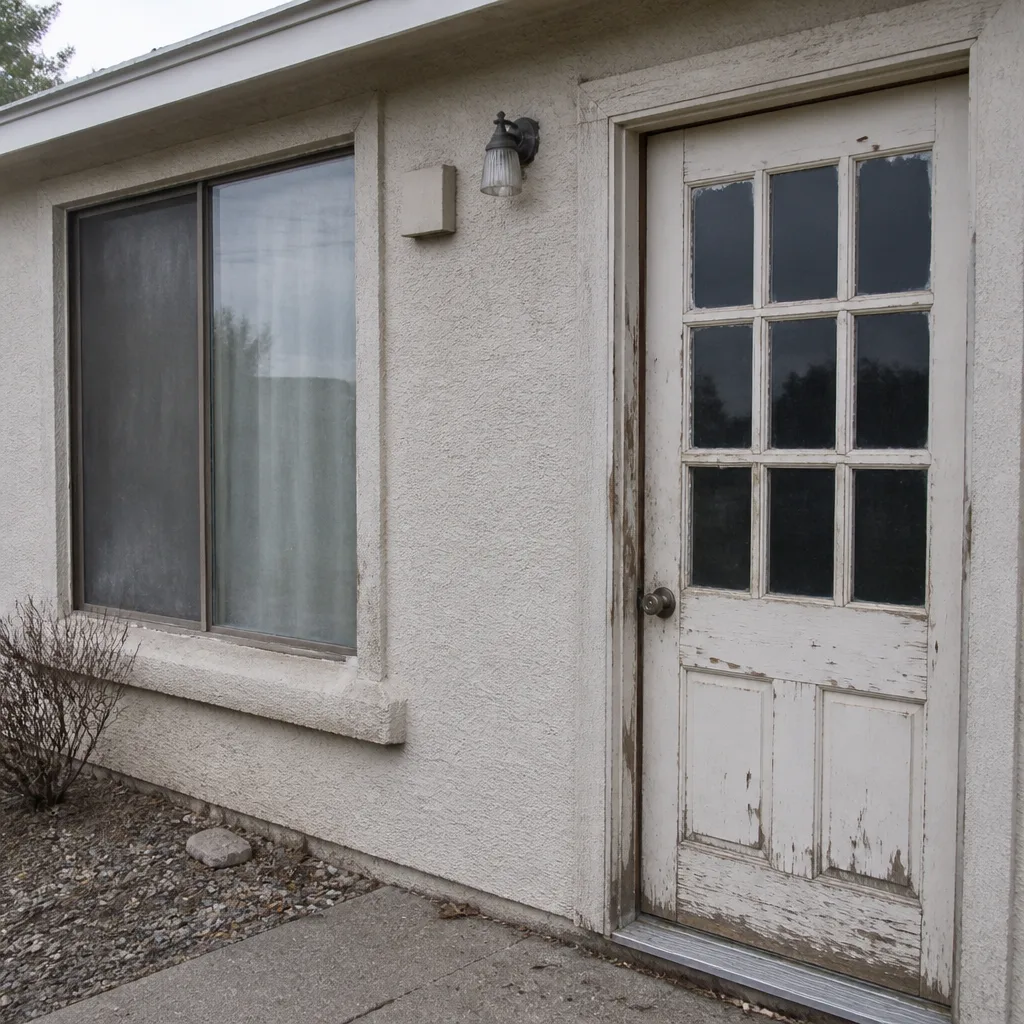
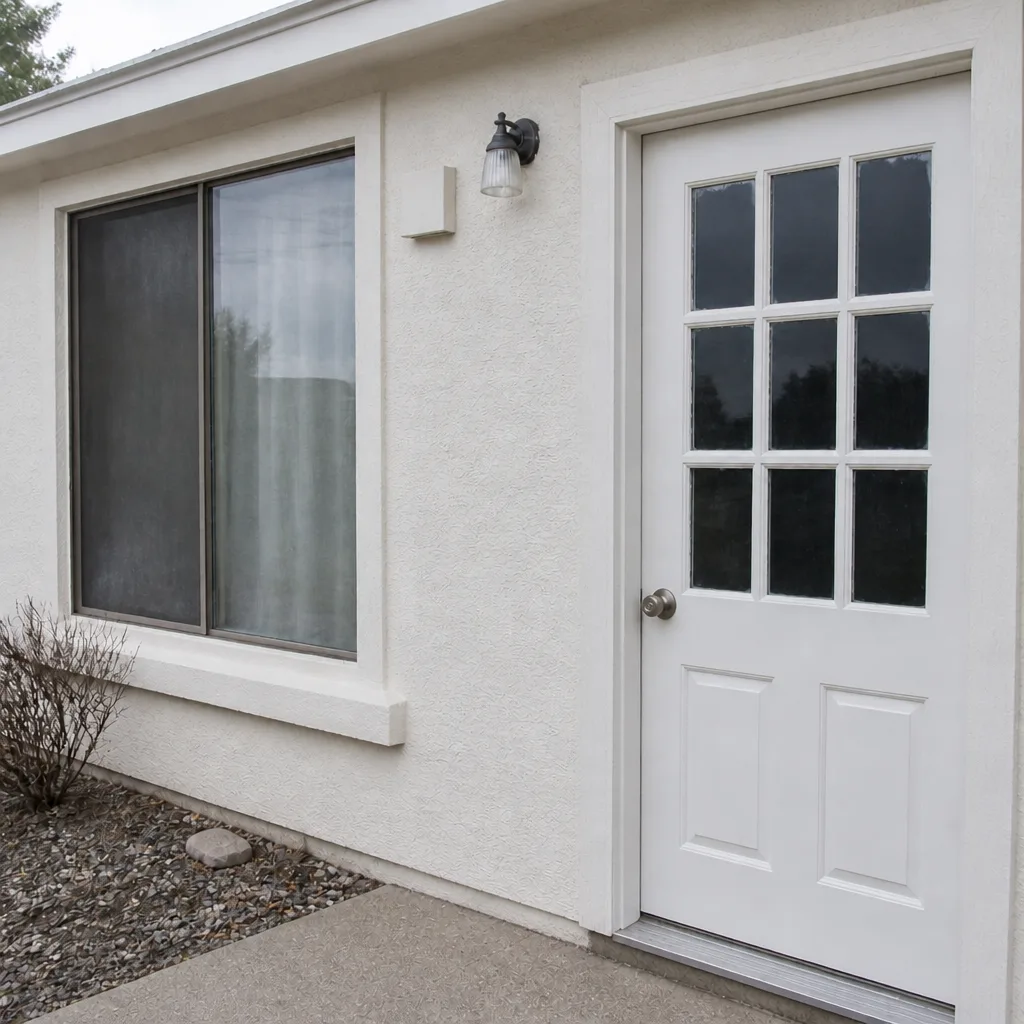
See the difference
 Before
 After
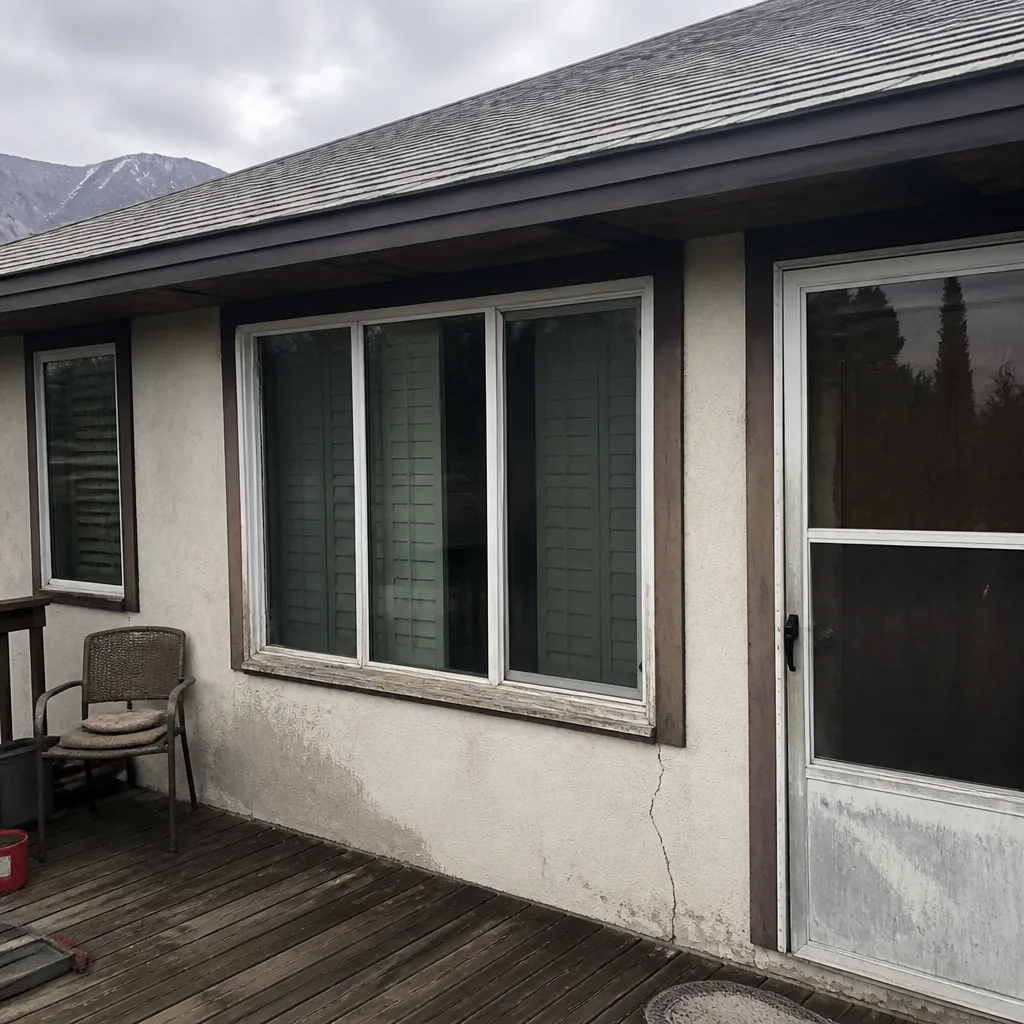 Before
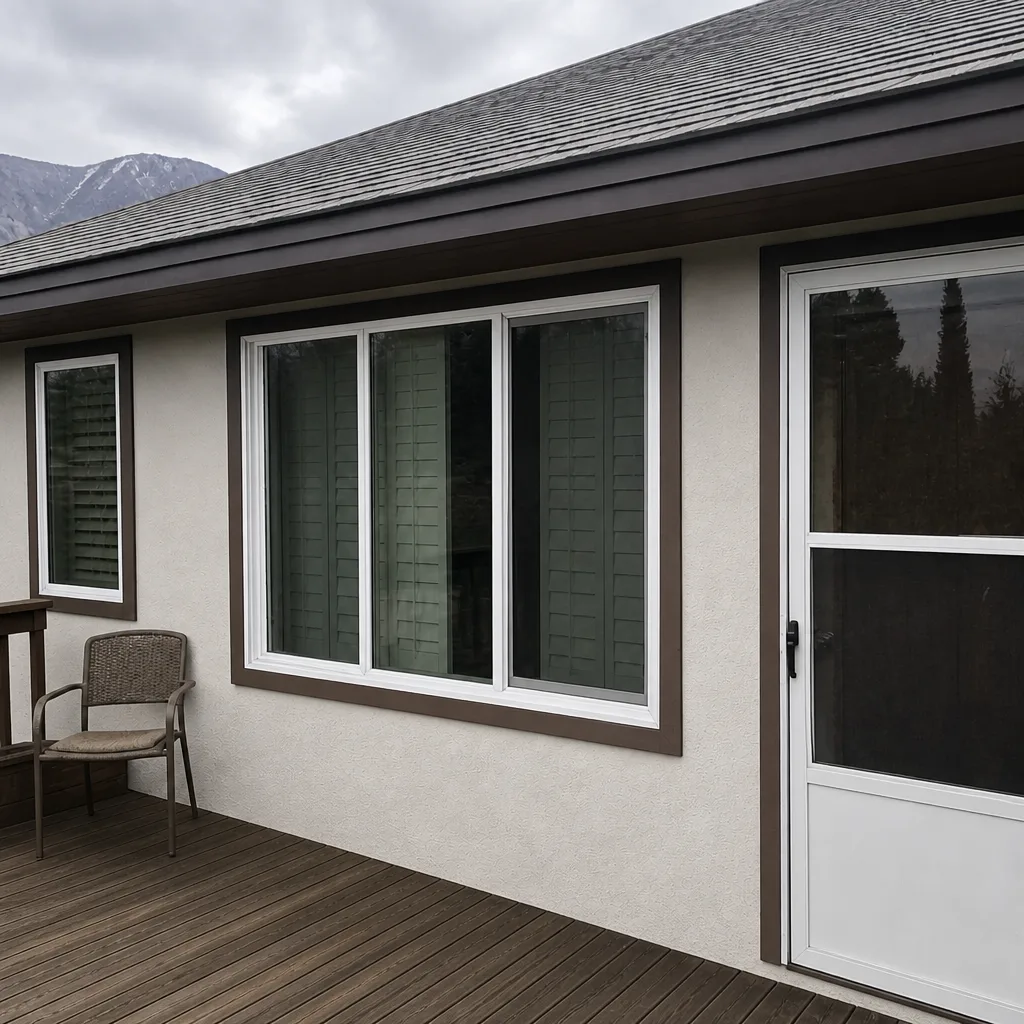 After
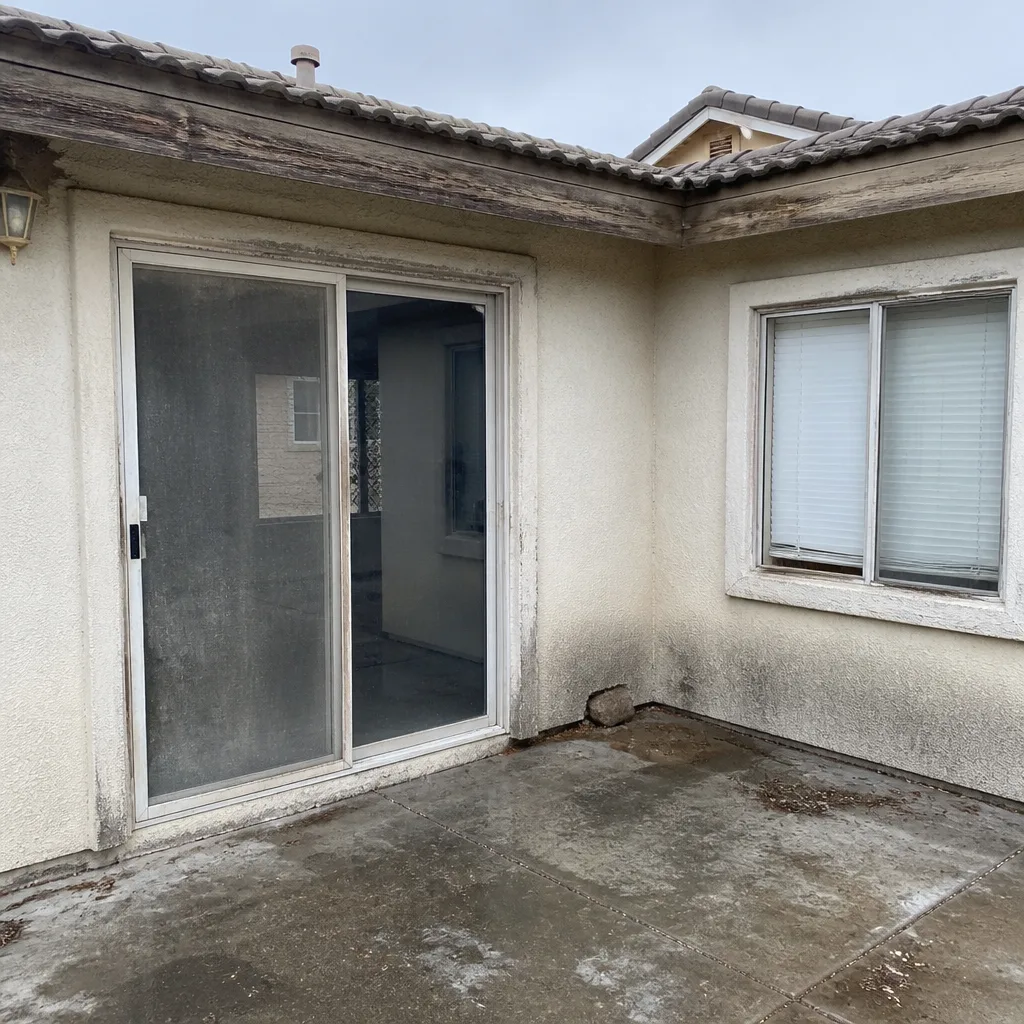 Before
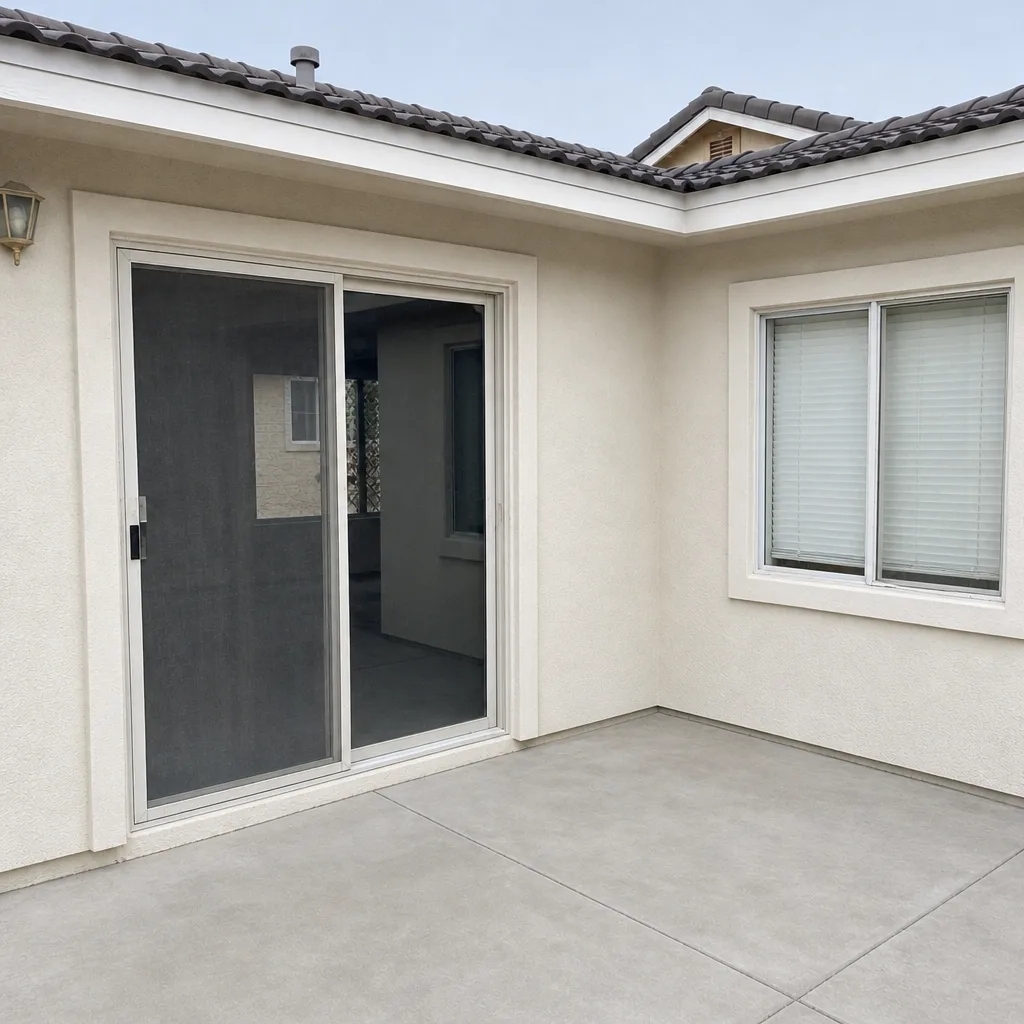 After
When to Call a Professional
Some jobs are not weekend projects in Whitney. If you see fogging or condensation between the panes, that’s a failed factory seal and the whole insulated unit needs replacing. If you feel a draft at the threshold or the weatherstripping has gone hard and cracked, a door that isn’t sealing is letting dust and heat in all year. A cracked or broken window pane, a door that’s sagging or won’t latch, water staining around a window or door frame, or a roof edge that’s clearly channeling water toward an opening are all signs to get a professional out before the damage spreads. Working on window and door installations involves ladders, heights, and sealing that has to be done right the first time, so this is the kind of job to hand to a trained, background-checked crew rather than take on yourself. Winslow Windows & Doors Whitney offers free estimates in Whitney, with no trip charge inside the home county, free second opinions on any written estimate, and $40 off any repair over $200. Call (844) 797-3297.
Frequently Asked Questions
Not for hurricane protection, but the heavier construction of impact-rated units handles Whitney’s daily temperature cycling better than a light-duty standard window. If your home has large west- or south-facing openings, impact-rated is often the smarter long-term buy. Call (844) 797-3297 and we’ll walk your exposures and tell you honestly where impact-rated pays off and where dual-pane desert-spec is enough.
Desert-spec dual-pane uses a low-E coating tuned for intense high-desert sun and a wider air space with argon fill, while standard low-E is often tuned for a milder climate. On a west-facing wall in Whitney, the desert-tuned coating rejects noticeably more solar heat. The exact numbers depend on your product line, and estimates are free.
Condensation or fogging between the panes means the factory seal on the insulated glass unit has failed, and moisture has gotten inside. The unit needs replacing; it can’t be resealed from the outside. This is exactly the kind of early seal failure Whitney’s temperature cycling produces, and catching it early is cheaper. Call (844) 797-3297 for an exact quote.
Plan for roughly $650 – $1,200 per opening for standard dual-pane replacement and about $900 – $1,600 per opening for impact-rated, installed. Frame material and glass package move those numbers. Call (844) 797-3297 for a written line-item quote, and we’ll give you a free second opinion on any other estimate you’ve received.
Whitney’s wind corridors push fine dust and air against every door, and dry air hardens weatherstripping fast. A weatherstripping or threshold that isn’t specified for wind and dust lets air channels open along the bottom and sides, so the door stops sealing long before the door itself fails. Ask for the threshold spec in writing on any door quote.
Yes, and it’s how the exterior envelope should be handled. Windows, doors, and roof interact, and a leak at a window or door threshold is often a roof or flashing question in disguise. Handling all three with one accountable installer means nobody can point at the other trade. Call (844) 797-3297 to schedule a full exterior walkthrough and a free estimate.
The Bottom Line
The right windows and doors for Whitney come down to three decisions: match the product class to the climate, specify the frame and threshold for high-desert temperature cycling and wind, and get the openings installed and sealed right the first time. Impact-rated or desert-spec dual-pane, fiberglass or well-reinforced vinyl on the hot walls, a properly specified door threshold, and a whole-envelope approach that ties windows, doors, and roof together. Skip the national default pitch, demand line-item quotes, and buy for this climate, not a brochure’s. Do that, and your windows and doors will hold their seals through the swings that fail the wrong product every summer in Whitney.
Get a Free Estimate
Winslow Windows & Doors Whitney offers free estimates on windows and doors across Whitney, with upfront pricing, written line-item quotes, and fixed pricing so there are no surprises on the invoice. Our technicians have up to 15 years of experience, every technician is background-checked and arrives in uniform, and a live person answers every call around the clock. We’re the one down the road: a neighbor you can call at 2 a.m. and someone will actually answer. Call (844) 797-3297 to schedule your free estimate today.
Written by the team at Winslow Windows & Doors Whitney.