
Last updated November 18, 2026
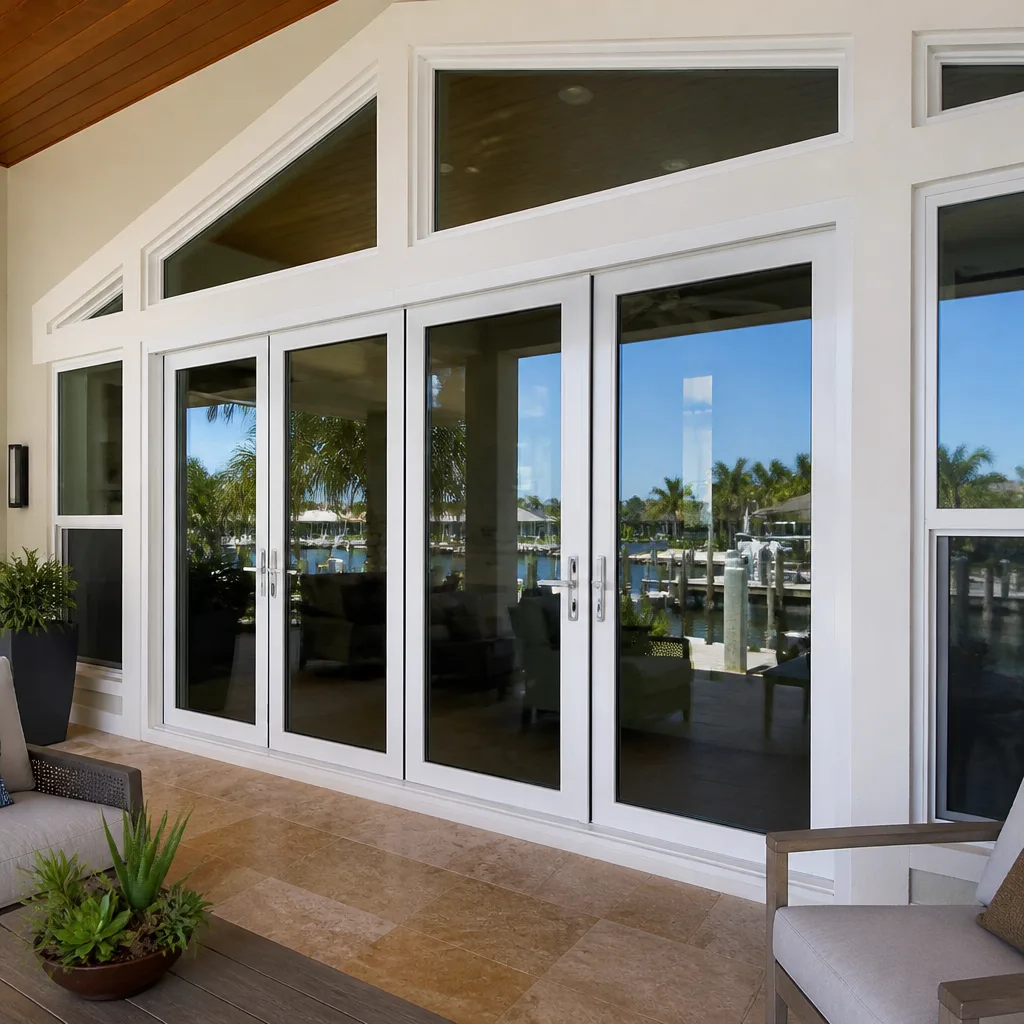
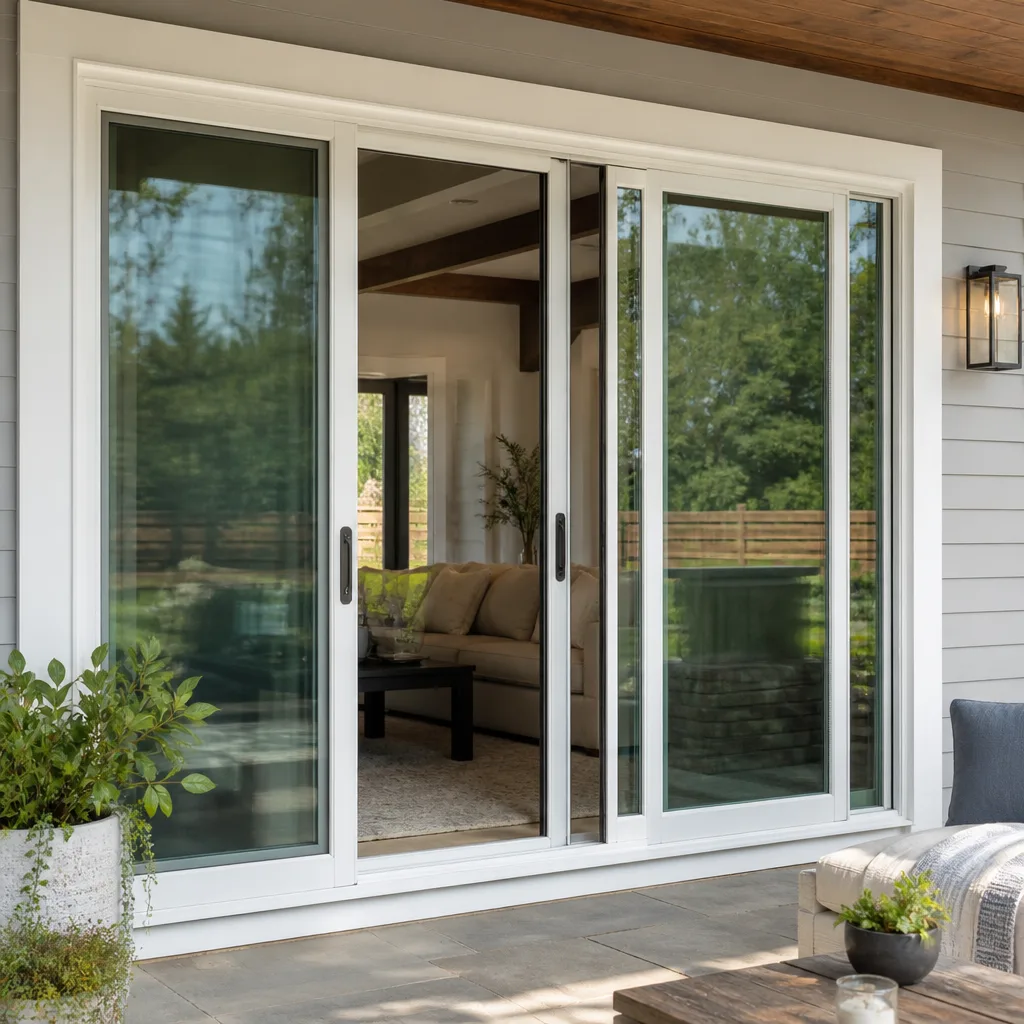 Sliding glass doors
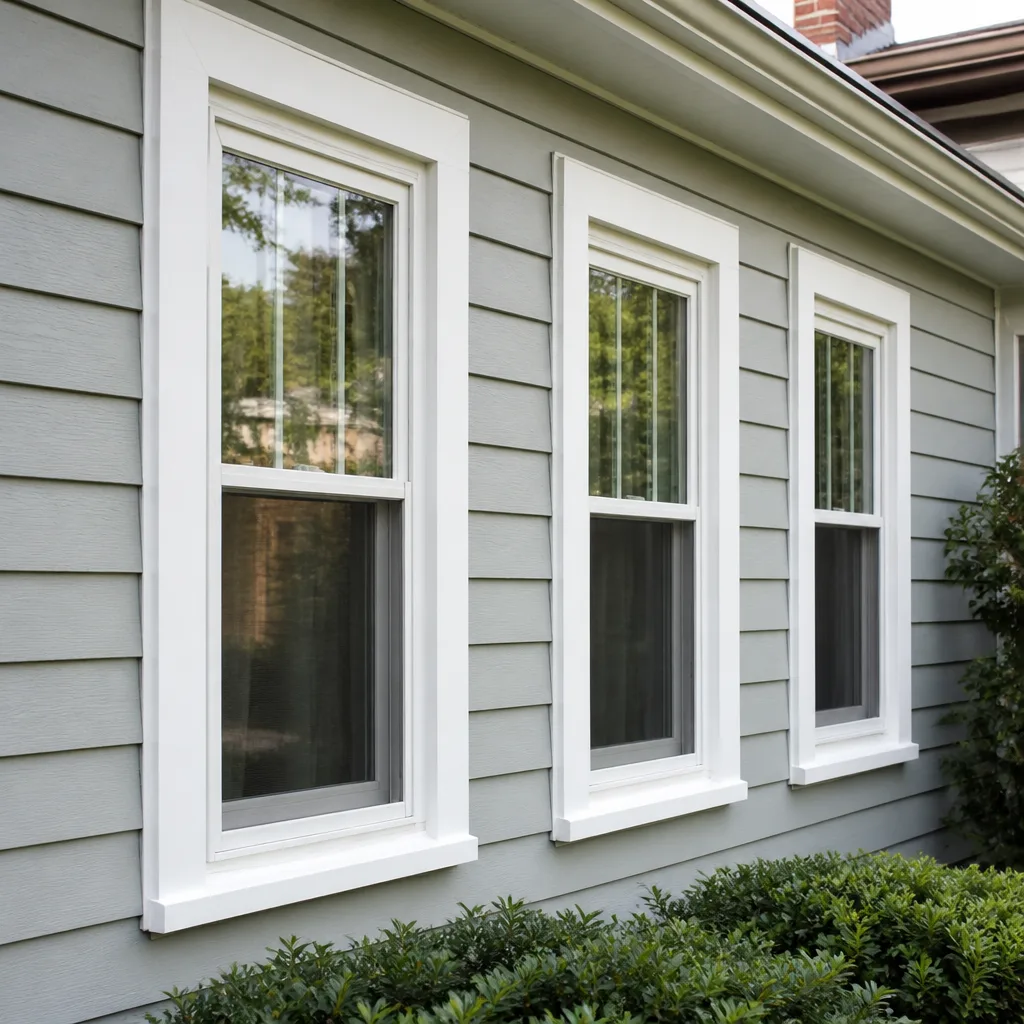 Single hung
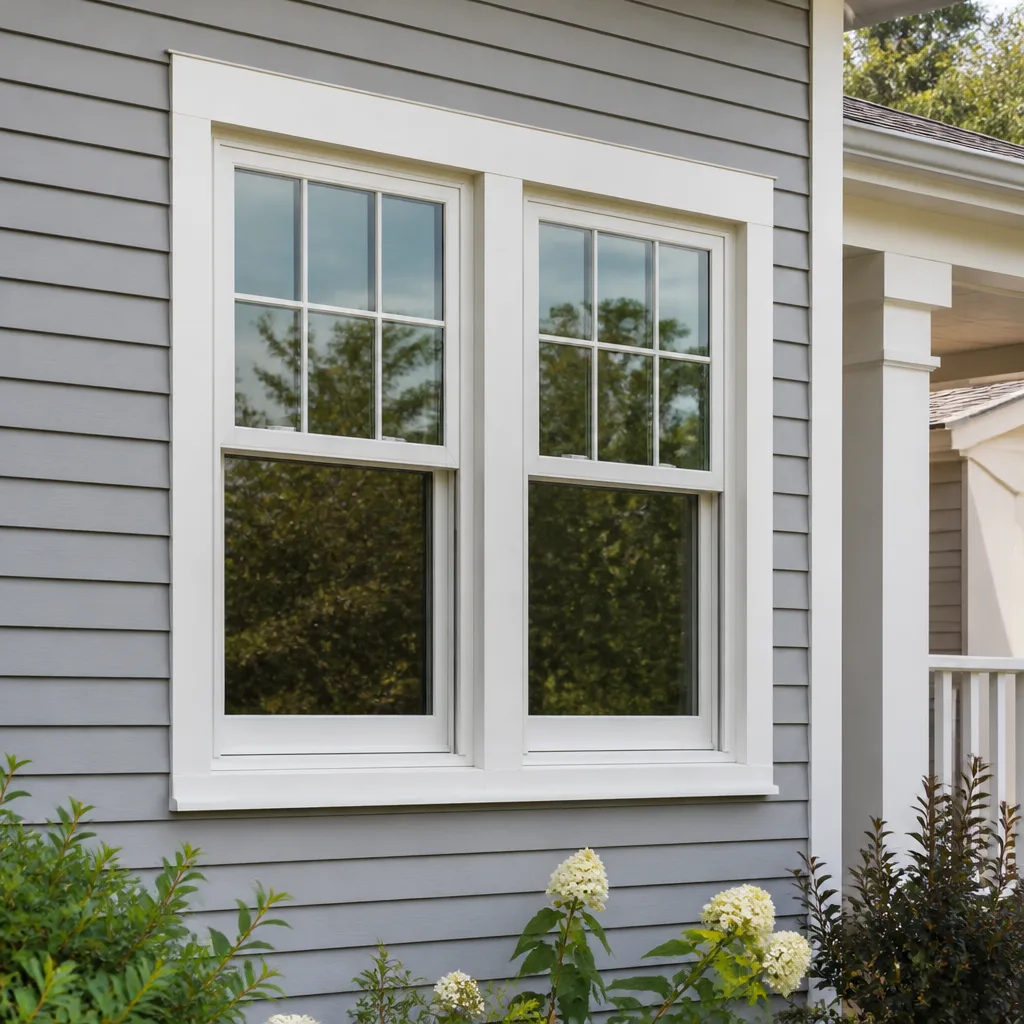 Double hung
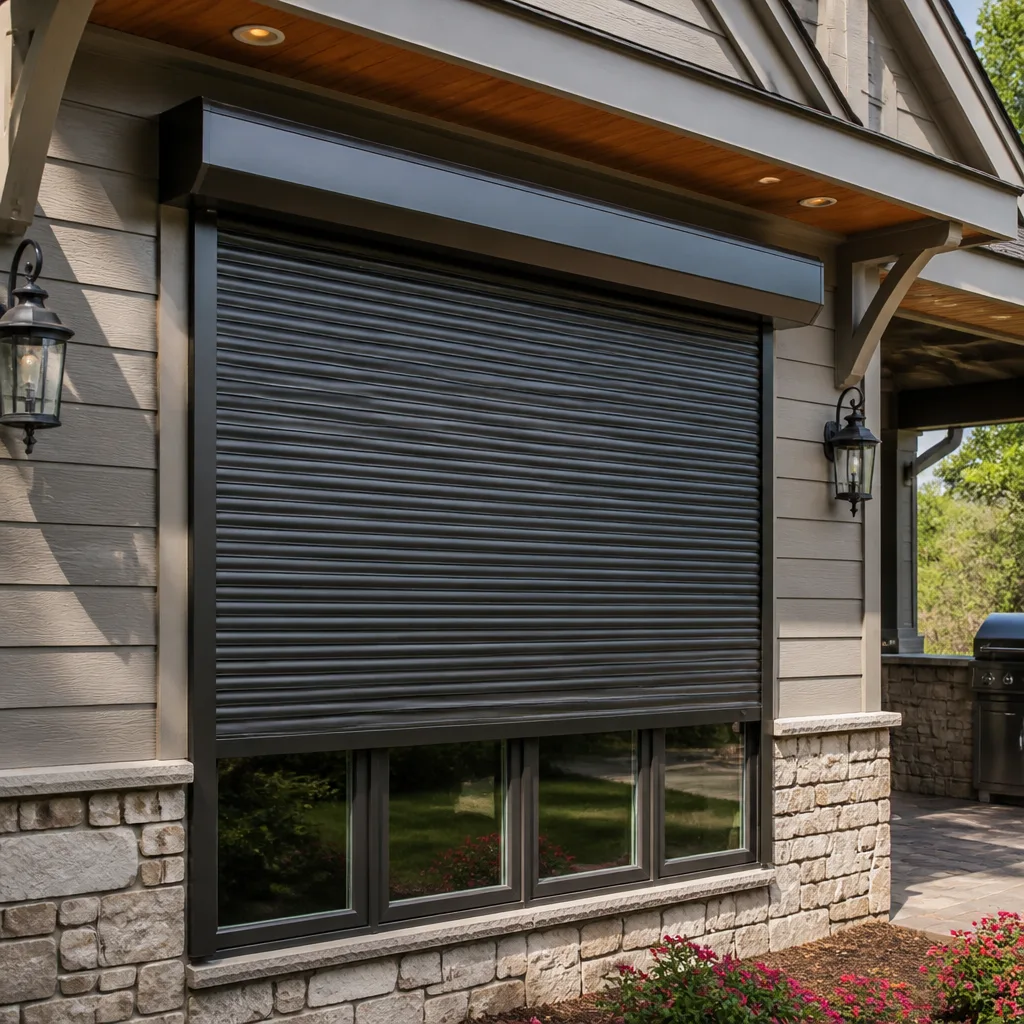 Horizontal roller
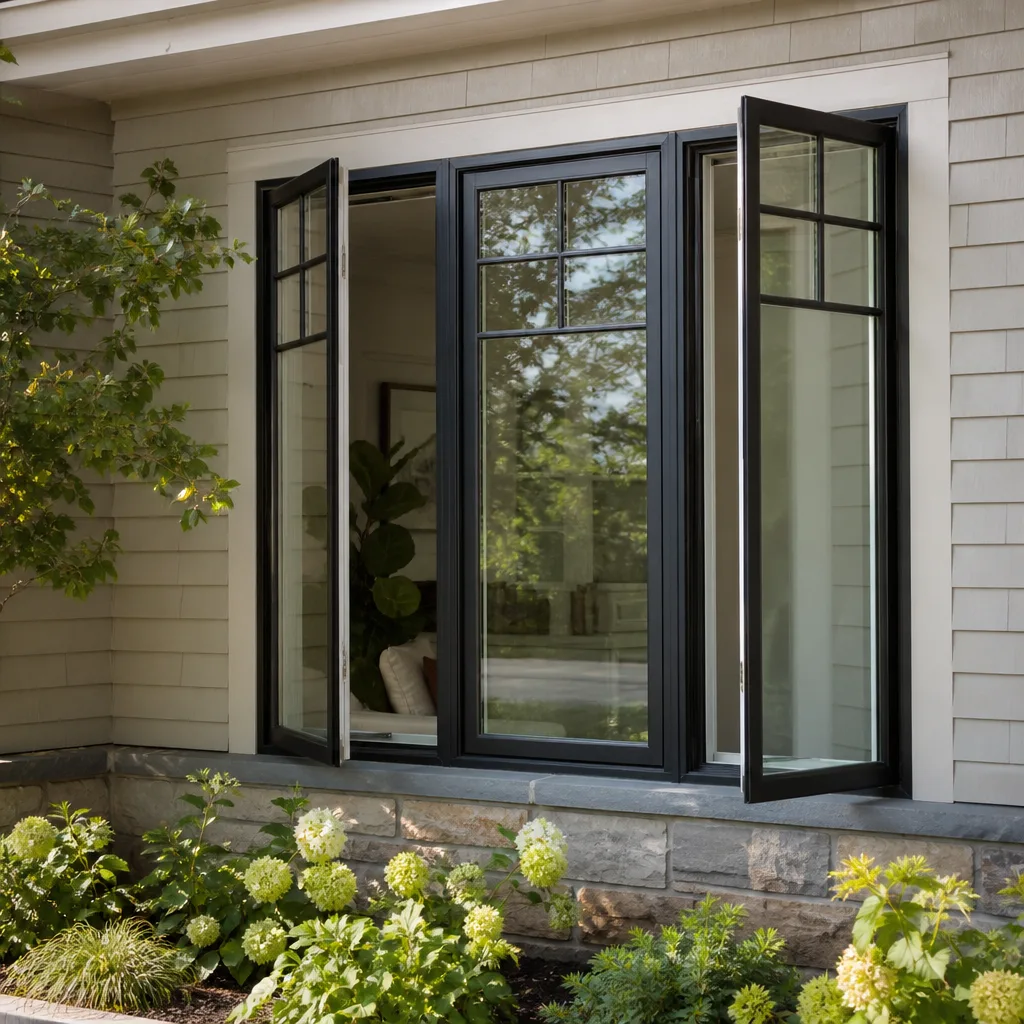 Casement
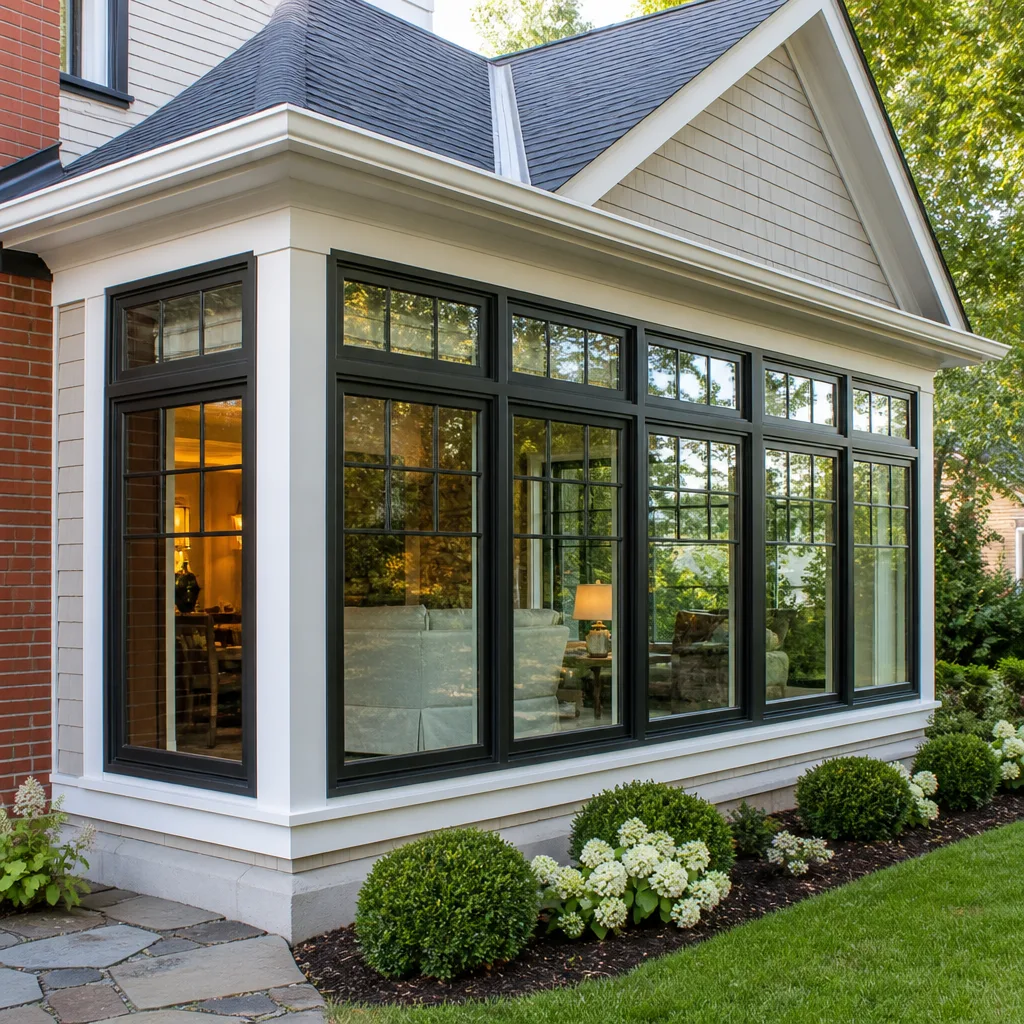
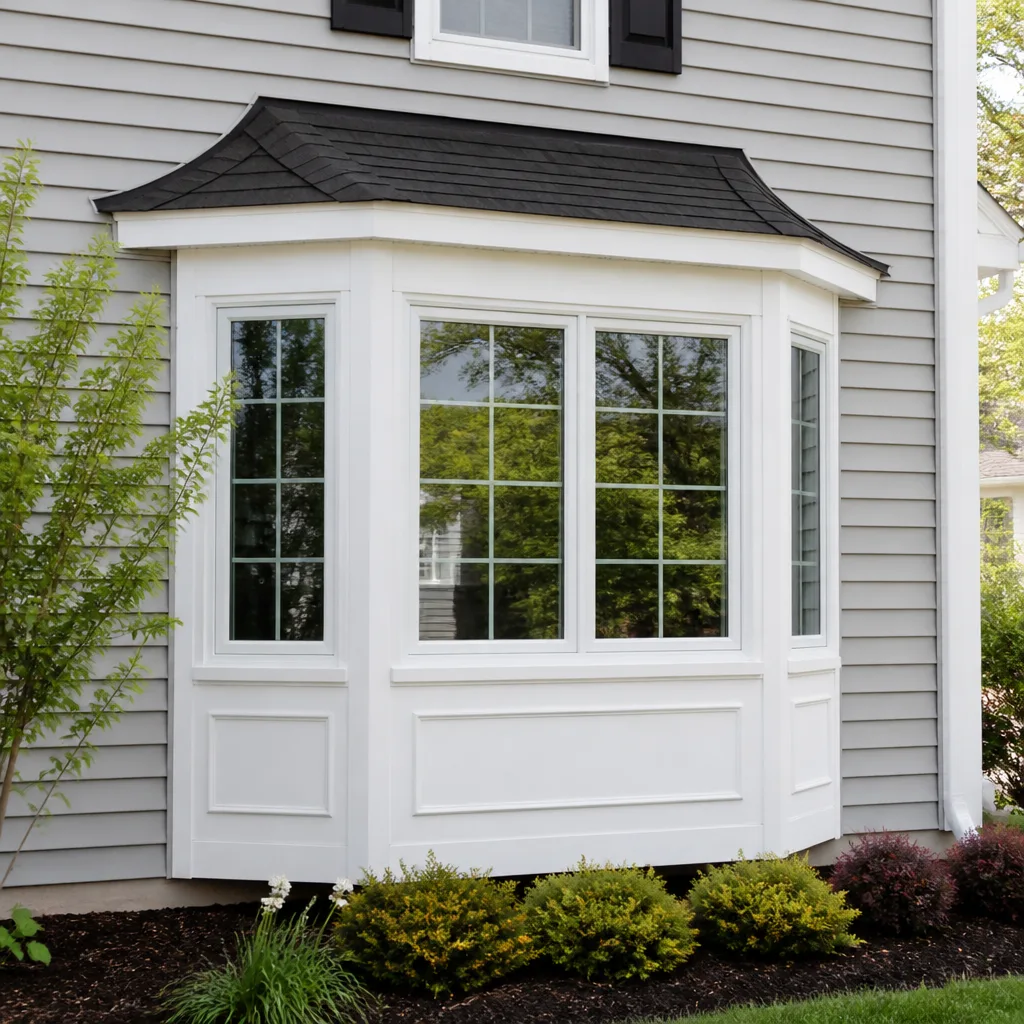 Bay & bow
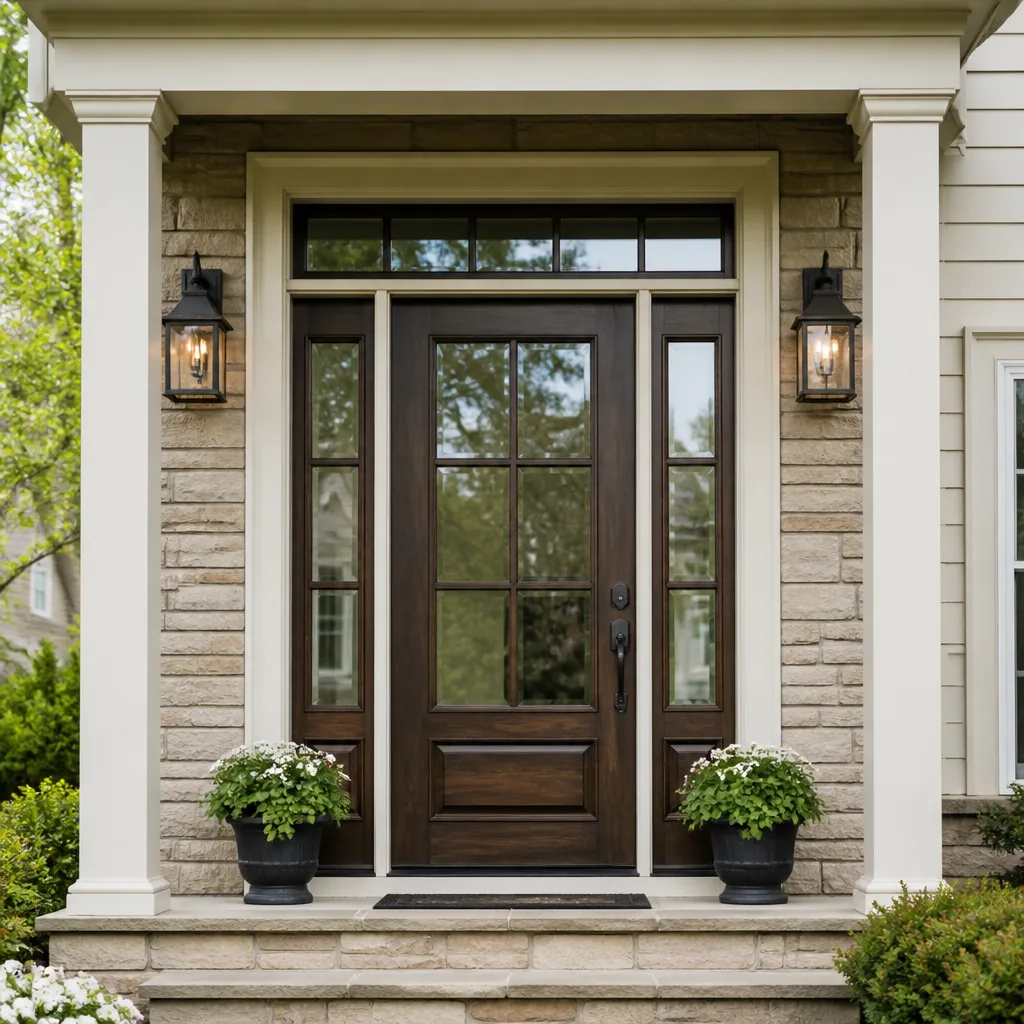 Entry doors
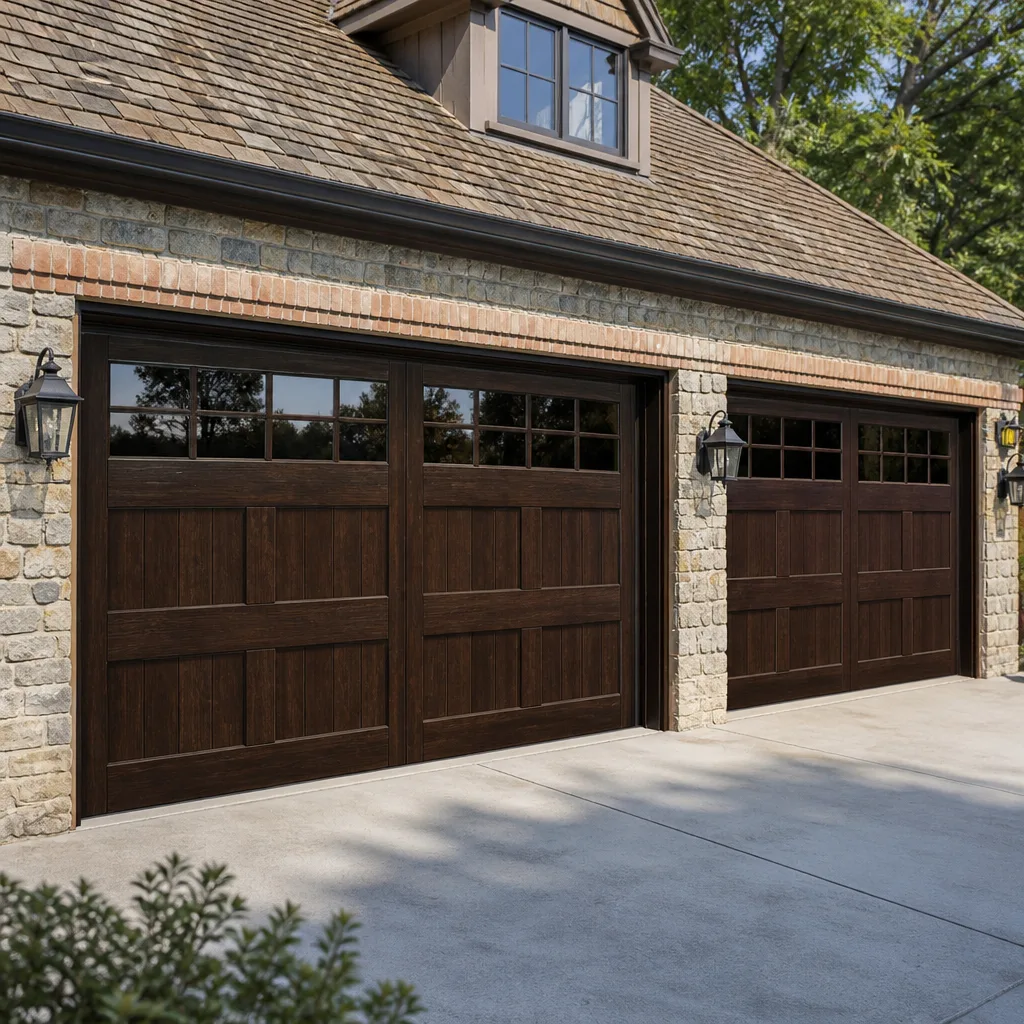 Impact garage doors
 PGT
 CGI
Free in-home measure and quote - PGT, CGI and CWS impact lines compared on your actual openings, style by style
Get your free estimateHow to Hire a Windows & Doors Contractor in Whitney: A Step-by-Step Guide
Three of the most common window-installation scams in rural Nevada don’t involve fake products at all. They involve real products, real glass, real frames, delivered by crews who aren’t licensed, don’t pull permits, and are three counties away before the first inspection ever happens. The homeowner is left holding the bag: unpermitted work on their record, a warranty with nobody behind it, and a failed inspection they can’t dispute because the installer’s phone number is disconnected. Whitney sits close enough to Las Vegas to attract traveling crews but far enough out that reviews are thin and references are hard to check. That gap is exactly where bad actors work. This guide gives you a verifiable process for hiring a windows and doors contractor in Whitney, NV, with the specific checks that separate a local operator from a drive-by crew.
Quick Answer
To hire a windows and doors contractor in Whitney, verify the contractor’s Nevada license number directly on the NSCB database, confirm a physical business address and local permit history, demand a written itemized quote with product specs and permit responsibility spelled out, and insist on written warranty terms that survive a resale. In a small market like Whitney, the vetting has to be stricter than in Las Vegas because there are fewer reviews to lean on and more room for a traveling crew to disappear after installation. If a contractor won’t give you all five verifications in writing before you sign, walk away.
Styles & brands we work with
- Single hung
- Double hung
- Horizontal roller
- Casement
- Bay & bow
- Sliding glass doors
- Entry doors
- Impact garage doors
- PGT
- CGI
Table of Contents
- Step 1: Verify the Nevada Contractor License in Under Two Minutes
- Step 2: The Five Questions That Expose a Traveling Crew
- Step 3: Why the Lowest Bid in a Rural Market Is Statistically More Dangerous
- Step 4: How to Read a Window and Door Quote Line by Line
- Step 5: Permits, Inspections, and Who Is Legally Liable
- Step 6: What Real Warranty Terms Should Look Like
- Whitney Climate and Why It Changes What You Need Installed
- Red Flags Specific to Small-Market Window Jobs
Step 1: Verify the Nevada Contractor License in Under Two Minutes
The single most important check you can run before signing anything is a license lookup on the Nevada State Contractors Board database. It takes less than two minutes, it’s free, and it eliminates the majority of bad operators immediately. Here’s how to do it as a homeowner:
- Ask the contractor for their Nevada contractor license number before they leave your driveway. A legitimate operator gives it without hesitation and without needing to “look it up later.”
- Go to the NSCB website and enter the license number in the public lookup tool. Don’t search by business name; names can be similar and databases can be gamed. Search by the license number they gave you.
- Read the status field carefully. “Active” and “Current” don’t mean the same thing. An active license means the license is currently in effect. A current license means the contractor has kept their required insurance, bond, and continuing education filings up to date. You want both. An active-but-not-current license often means coverage has lapsed, which puts the homeowner on the hook if a worker is injured on your property.
- Check the classifications. Nevada licenses contractors by scope. Window and door installation usually falls under a general or specialty classification; a license that doesn’t cover your actual scope is a problem even if the status field looks clean.
- Look for disciplinary history. The NSCB lists formally disciplined contractors. If the license number triggers a records search, ask about it in writing before proceeding.
When we talk with Whitney homeowners, this is the single step most of them skip, and it’s the one that matters most. The license lookup also confirms there’s a real business behind the number, not a shell entity set up two weeks before the sales pitch hit your door. A contractor who’s genuinely operating in Whitney and the surrounding rural Clark County area keeps this information current. A traveling crew doesn’t bother.
Step 2: The Five Questions That Expose a Traveling Crew
The difference between a local operator and a drive-by installer usually shows up in five specific questions. Ask them in the same conversation, before you sign, and write the answers down. If the answers are vague, deflect, or require a callback, treat that as a no.
1. “What local supply account do you have, and can you give me the branch name?”
An operator who actually installs in Whitney has a standing account with a local supplier, usually a Clark County lumber or building products branch. Traveling crews buy window units on the road from big-box stores or a truck’s existing inventory. Neither is wrong by itself, but the difference matters when a unit arrives damaged: the operator with a local account replaces it in days. The traveling crew doesn’t come back at all.
2. “What Whitney-area permits have you pulled in the last twelve months?”
Legitimate contractors pull permits and inspections for window and door replacements in Clark County because the work affects structural and energy codes. Ask for permit numbers from recent local jobs; a local operator provides them without hesitation. A traveling crew will say permits “aren’t needed” or that the work is “cosmetic.” Cosmetic is how you end up with unpermitted work on your property record.
3. “What’s the physical business address, and can I visit?”
Every legitimate contractor has a published address, whether that’s a warehouse, an office, or a mailing office with a business license posted. The address should match the NSCB license record. If the address is a PO box and the operator can’t name a physical location, that’s a warning sign in any market. In a smaller market like Whitney, a legitimate operator is usually proud to point you toward where they’re based.
4. “What’s the warranty service response area?”
This is the question that separates a real local operator from someone passing through. If a window fails a year after installation, how long until someone is at the door? A local operator serves Whitney and the surrounding rural Clark County area and can usually schedule a service call within days. A traveling crew’s warranty is essentially worthless because nobody is coming back two counties over.
5. “Is the owner on-site at install time?”
For a homeowner-operated local business, this is easy: yes. For a national chain or a subcontracted traveling crew, this is usually no, with a paragraph about process and project managers. There’s nothing wrong with large organizations by default, but the smaller the market, the more accountability matters when something goes sideways. An installer with a name on the door answers their own phone when things go wrong.
Step 3: Why the Lowest Bid in a Rural Market Is Statistically More Dangerous
The lowest bid is dangerous everywhere. In a rural market like Whitney, it’s more dangerous for three specific reasons.
First, competition is thin, which makes a low bid less likely to be undercut further for a legitimate reason and more likely to be a penetration price designed to get the contract signed before costs are added on the back end. Second, traveling crews specialize in low bids in rural markets because they know homeowners comparison-shop less and it’s harder to verify the going rate. Third, when a low-bid job goes wrong in a rural area, the homeowner’s recourse is genuinely limited: fewer second-opinion contractors to quote a repair, longer drives for a service tech, and a smaller pool of local crews willing to fix another crew’s mistake.
The way to protect yourself is to compare quotes on more than the bottom line. Read each quote line by line and ask these questions for every entry:
- Is the product specified by brand, series, and model number? A quote that says “premium impact window” without naming the brand is a quote you can’t compare to anything. A real quote names the manufacturer and the model line. In our case, that’s PGT or CGI product line specifics, and it means you can actually compare what’s being installed against what a competitor is quoting. Impact Windows in Whitney deserve a spec sheet, not a slogan.
- Does the quote list removal and disposal separately? Removal of older frames, glass, and hardware, plus haul-away and disposal, is real work. A quote that folds it into the main number hides how much of that number is labor versus product.
- Are permits and inspections included, or “by owner”? “By owner” means you’re pulling the permit, which means you carry the liability. Always have the contractor pull the permit.
- Are the installation hardware and flashing on the line items, or assumed? Flashing, sealants, and hardware are the details where corners get cut. Each should be visible.
- What’s the warranty split between manufacturer and installer? Product warranty and labor warranty are separate, and both need to be spelled out with timelines and coverage.
- Is the price fixed, or is there an escalation clause? Escalation clauses let a contractor raise the price mid-job. A legitimate quote is fixed.
Step 4: How to Read a Window and Door Quote Line by Line
A written, itemized quote is one of the clearest tells of a legitimate operation. You should be able to read it and know exactly what’s being installed, who’s pulling the permit, what the labor scope is, and what happens if something doesn’t fit. Here’s how to walk through a quote like a professional would:
- Start with the header information. The contractor’s legal business name, license number, physical address, and a quote date should all be there. If any of these are missing, don’t proceed until they’re filled in.
- Match the line items to the units. Every window and door should be a separately priced line with brand, model, size, glass package, and finish. Duplicated generic descriptions across multiple units (like “window, standard, $X”) are a red flag that the contractor is quoting from a template.
- Look for the “extras” section. Installation labor, disposal, flashings, trim, and finish work should be listed explicitly, not bundled into the unit price. Bundled is fine for a rough estimate, but the final quote should itemize.
- Confirm the permit line. “Pull permit” should be a line with a price, and the contractor should be listed as the responsible party.
- Find the warranty paragraph. If the quote doesn’t mention the warranty, ask for it in writing before signing. No warranty language in the quote is a red flag.
- Check the payment schedule. A reasonable schedule avoids large deposits up front. If the quote requires a majority-of-job deposit before delivery, ask why in writing.
- Confirm the change-order rule. A legitimate quote states that the final price is what you’ll pay unless you personally approve a written change order. That’s the standard readers should hold every contractor to.
Our window installation in Whitney is quoted line by line this way. If you’re comparing multiple quotes, hold each one to this same structure. A quote that can’t survive the walk-through usually signals a contractor who won’t survive the job.
Step 5: Permits, Inspections, and Who Is Legally Liable
In Clark County, window and door replacement work that changes the opening size or affects structural, energy, or safety performance triggers a permit requirement. Permits and inspections exist for good reasons: they catch installers who skipped proper flashing, failed to anchor windows correctly, or installed product that doesn’t meet energy or impact ratings required for the region. The permit inspection is your only independent verification that the work meets code.
The critical thing to understand about permits is who carries the responsibility if they’re skipped. If a contractor installs windows without a permit and the work is later flagged during a home inspection, sale, or insurance claim, the violation follows the property, not the contractor. That means the homeowner is legally responsible for unpermitted work, even if they didn’t know a permit was required. Reopening a completed wall to expose concealed installation, re-inspecting, and possibly replacing improperly installed product runs into real money.
If you’re replacing doors, the same logic applies to egress and structural requirements. A door replacement that changes the opening needs a permit because it touches structural framing and clearance rules. Window Replacement in Whitney and door replacement both involve the same permit-responsibility question, and the answer should always be the same: the contractor pulls the permit, the contractor is listed as the responsible party, and inspections are included in the quote.
Step 6: What Real Warranty Terms Should Look Like
The 36500-Day Done Right Promise is a standard we hold ourselves to, and it should inspire you to demand strong written terms from any contractor you consider. Here’s what a real warranty looks like when it’s laid out on paper:
- Written, not verbal. A warranty that only exists in a conversation isn’t a warranty. It’s a promise you can’t enforce.
- Itemized. Product warranty and labor warranty should be listed separately, with coverage periods and what’s specifically covered and excluded.
- Transferable. If you sell your home, the warranty should transfer to the buyer with proper documentation. Transferability adds real value at resale.
- Named service area. The warranty should specify that service calls are within the contractor’s normal response area. If that area doesn’t include Whitney, the warranty is technically valid but practically useless.
- Named service timeline. A written warranty should say how quickly the contractor responds to service requests. “Promptly” isn’t a timeline; a stated window is.
- No weasel clauses. Look for exclusions based on “acts of God,” “improper use,” or “normal wear” that cover so much they gut the warranty. Some exclusions are reasonable, but they should be narrow and specific.
Any contractor interested in long-term work in a market as small as Whitney should be willing to put their terms on paper and stand behind them. A contractor who hedges on warranty language in the vetting phase will hedge again when you need service.
Whitney Climate and Why It Changes What You Need Installed
Whitney sits in the Mojave Desert fringe north of Las Vegas, with summer highs that routinely push past 110°F, winter nights that occasionally dip below freezing, and a significant daily temperature swing that stresses every seal, flashing, and piece of hardware on your home. This isn’t Las Vegas micro-climate; it’s a slightly hotter, slightly more exposed version of it. The surrounding context matters for what product you choose and what installation standard you demand.
What that means in practice:
- UV exposure is the main enemy of window seals and finishes. Windows with quality UV-resistant coatings and finishes last longer here than product spec’d for a milder climate. Ask what your specific window system is rated for on UV exposure and heat cycling.
- Afternoon sun intensity elevates glass surface temperature. Cheap glass packages will show thermal stress cracking at a higher rate in Whitney than in a shaded Las Vegas neighborhood. If a contractor quotes “standard” glass in a south- or west-facing window, ask why.
- Dust and airborne grit work into seals and tracks faster here than in most markets. Sliding glass doors and high-use windows need better seals and hardware than product sold into mild climates. This is one place where brand and model actually matter. Product lines from ViewLux, CWS, and similar manufacturers that build for hot-climate performance hold up better than off-brand units.
- Heat cycling expands and contracts frames and flashing daily. Installation detailing (anchoring, shimming, flashing) becomes a bigger deal in this climate than in a stable-temperature market. A sloppy install fails faster here.
- Impact windows matter for different reasons in Whitney than in coastal markets. Windborne debris and monsoon-season storms still create glass failure scenarios, and impact-rated glazing also carries meaningful thermal performance benefit in this heat load.
When a traveling crew quotes a job in Whitney with product spec’d for a different climate zone, this is the consequence. Spec matters. When you compare quotes, compare the specific product each contractor is proposing and check whether it’s rated for local conditions.
Red Flags Specific to Small-Market Window Jobs
The scam categories in a small market are different from the ones that dominate metropolitan areas, because the small market shrinks the legitimate contractor pool and expands the reach of traveling crews. Here are the specific red flags to watch for:
- Vague product specs on the quote. A quote that says “energy-efficient window” without naming the brand, model, glass package, and U-value is a quote you can’t verify. If a contractor can’t name the product on paper, you can’t comparison-shop the job and you can’t enforce the spec at install time.
- “Cash discount” pressure. Legitimate contractors may offer standing discounts (we offer permanent standing offers to seniors and veterans, for example, and they don’t expire). What they don’t do is pressure a customer into paying cash to skip the paperwork. Cash-only payment exists to leave no paper trail, and that’s the whole point of the scam.
- No mention of permit pulling. A quote with no permit line and no conversation about inspections is a quote that puts legal responsibility on you. Ask directly, and if the answer is “permits aren’t needed,” get a second quote from a contractor who knows better.
- High-pressure “today-only” pricing. Any offer that expires within a day or two of the visit is a pressure tactic, not a business model. Legitimate standing offers exist because they’re permanent, not because they expire.
- No published address or no verifiable license. In a small market this is the easiest red flag to check because the NSCB database is free and fast. If the address and license don’t check out, nothing else matters.
- Charging a “trip fee” to look at the job. A contractor confident in their quote should be willing to come out and see the work at no charge. We don’t charge a trip fee inside our home county for exactly this reason.
- No local references and no review history. A traveling crew usually has no verifiable local review base. If they can’t give you two or three Whitney-area references you can call, ask why before you sign.
Common Mistakes to Avoid
- Signing before verifying the license. It’s the single most effective fraud-prevention step, and it takes two minutes. Skipping it costs homeowners thousands and hands them unpermitted work on their property record.
- Comparing quotes on the bottom line only. Two quotes that are $3,000 apart may be either an apples-to-oranges comparison or a genuine risk gap. Read each line by line. A low quote on unspecified product is not the same as a low quote on specified product.
- Letting the contractor say “permits aren’t needed.” In Clark County, virtually any material window or door replacement touches permit-required scope. If the contractor is telling you permits aren’t needed, they’re either wrong or avoiding inspection. Either way, don’t sign.
- Accepting a verbal warranty. Verbal warranties are enforceable in theory but practically unenforceable. Get the terms in writing, including the service response area and timeline, before signing.
- Paying a majority deposit up front. A large early deposit shifts risk onto you. Reasonable progressive payment schedules exist and protect the homeowner.
- Ignoring climate spec. A product spec’d for coastal or milder climates will underperform in Whitney’s heat cycle. Ask for the specific product’s heat and UV ratings.
- Not asking about the warranty service area. A warranty that names a service area 200 miles from Whitney is technically valid and practically useless. Confirm in writing that Whitney is inside the contractor’s normal response area.
See the difference
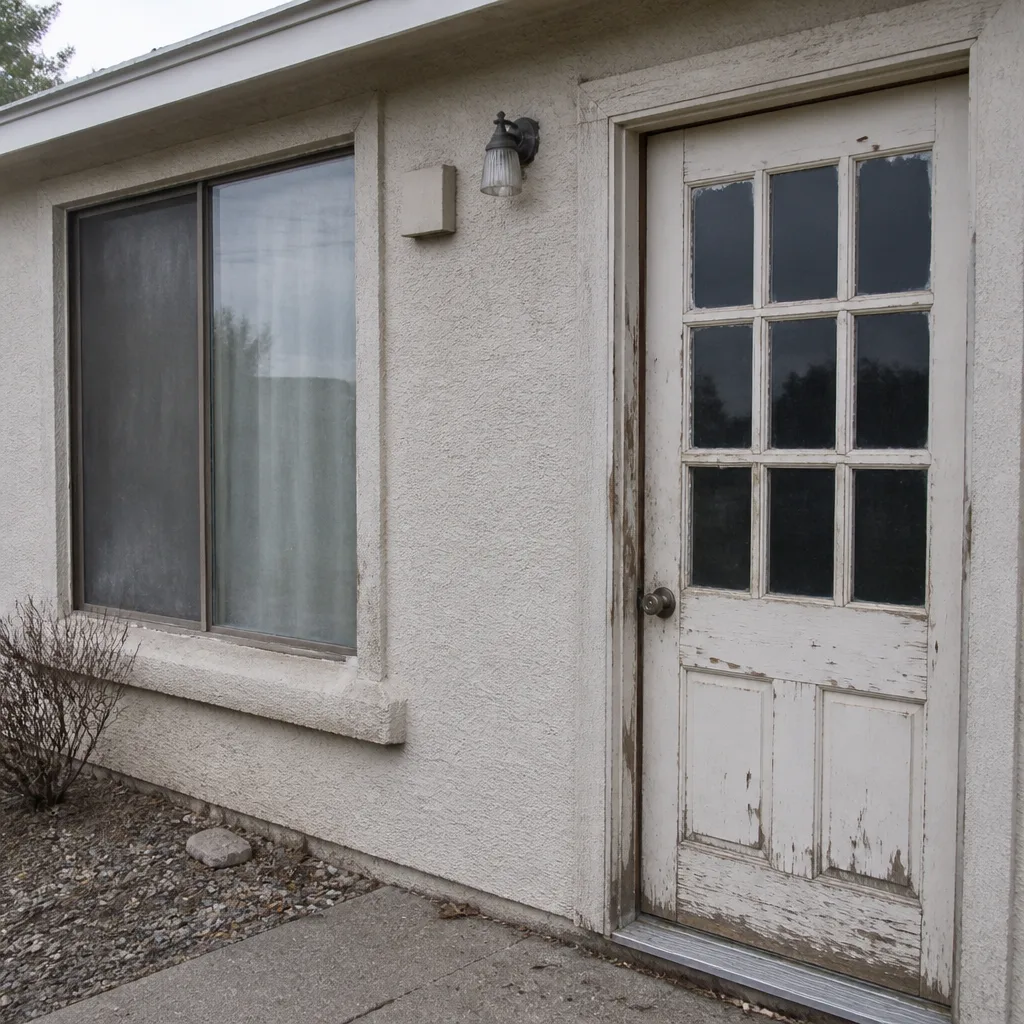 Before
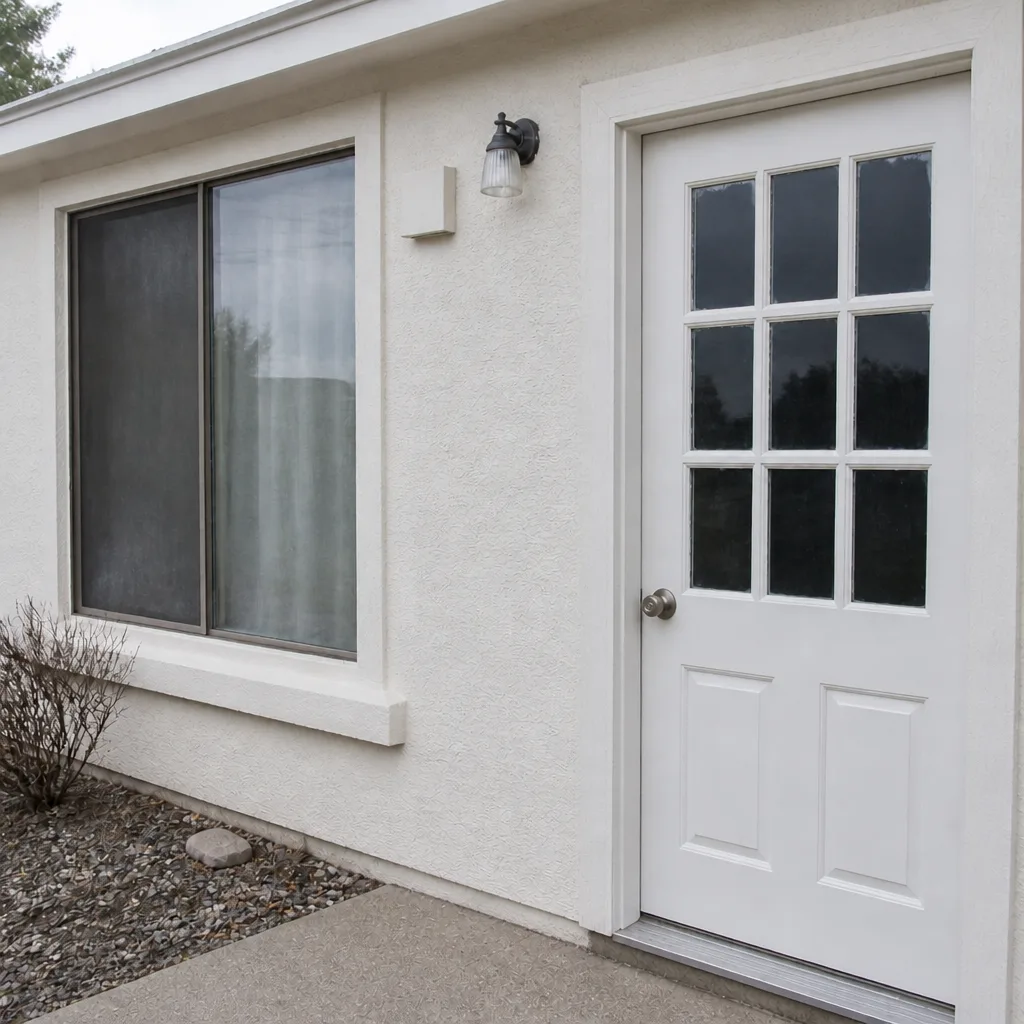 After
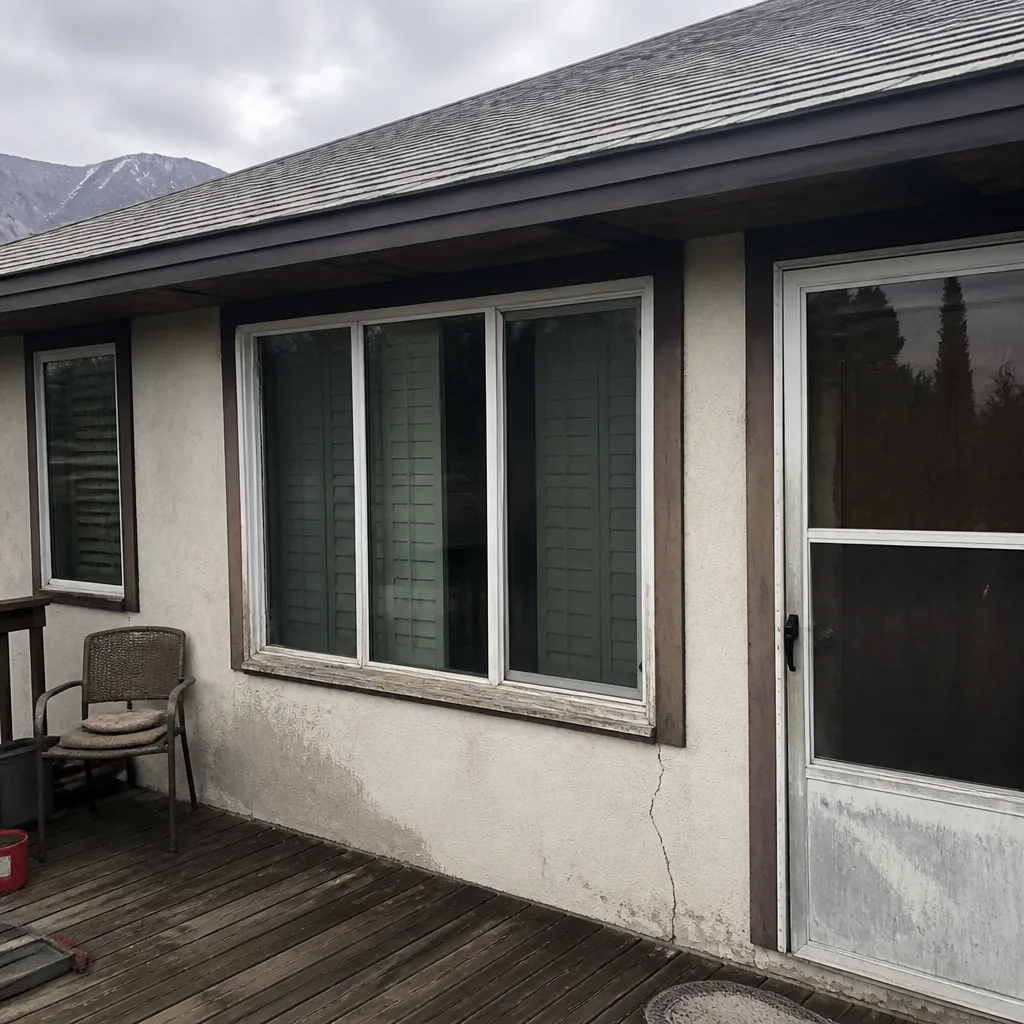 Before
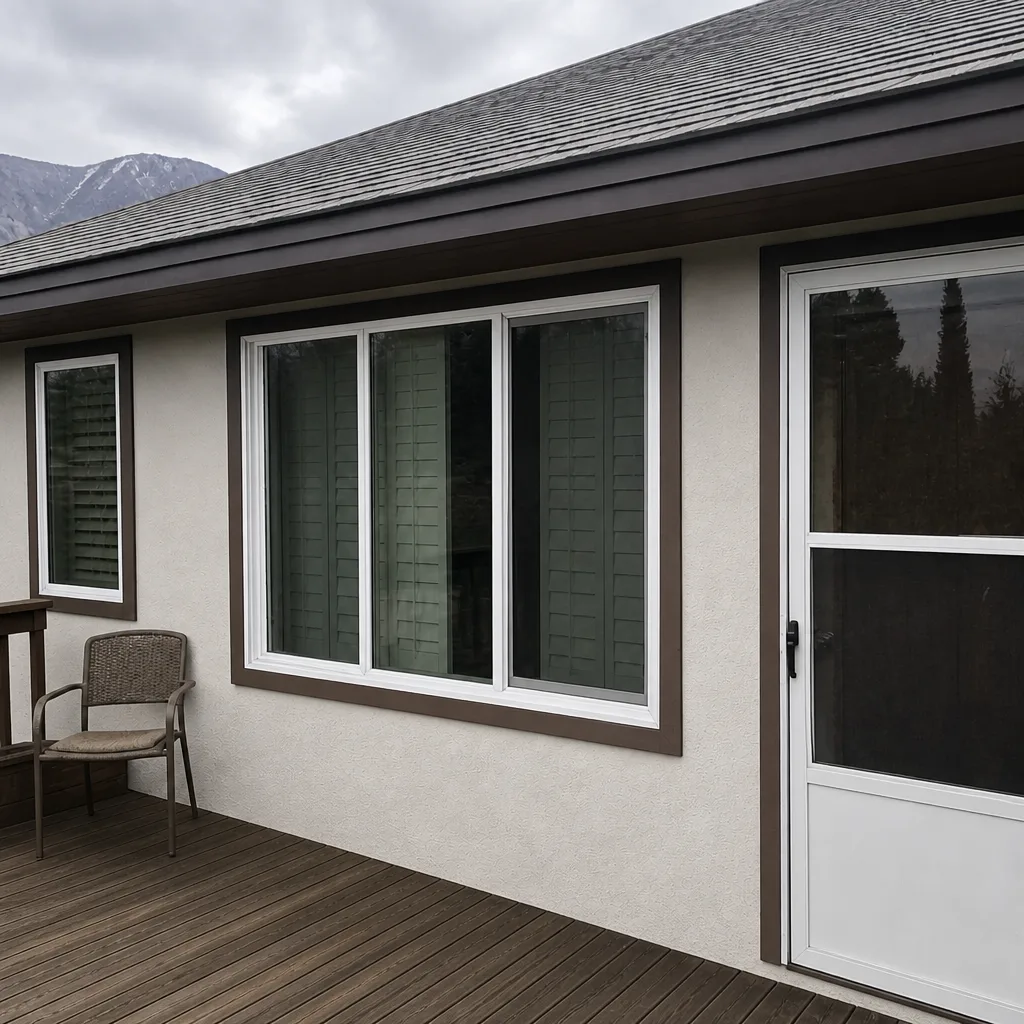 After
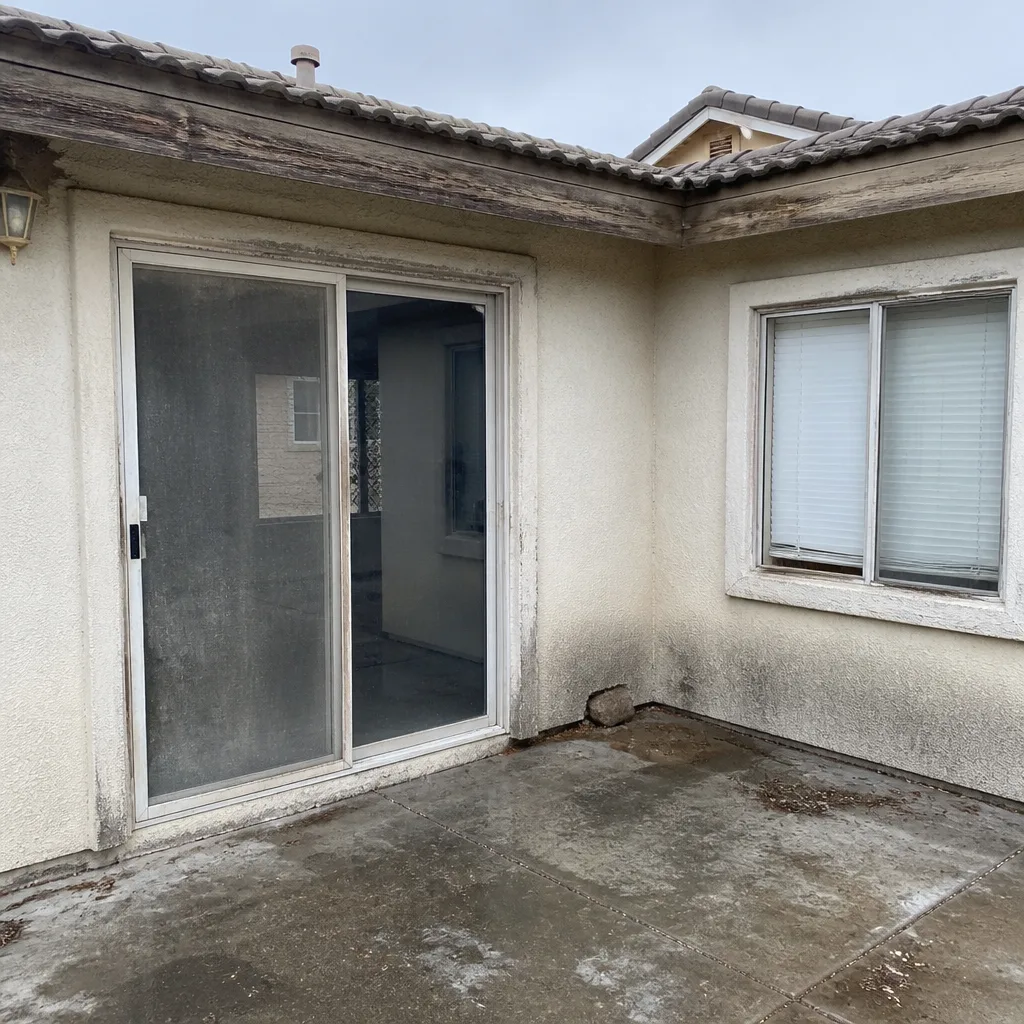 Before
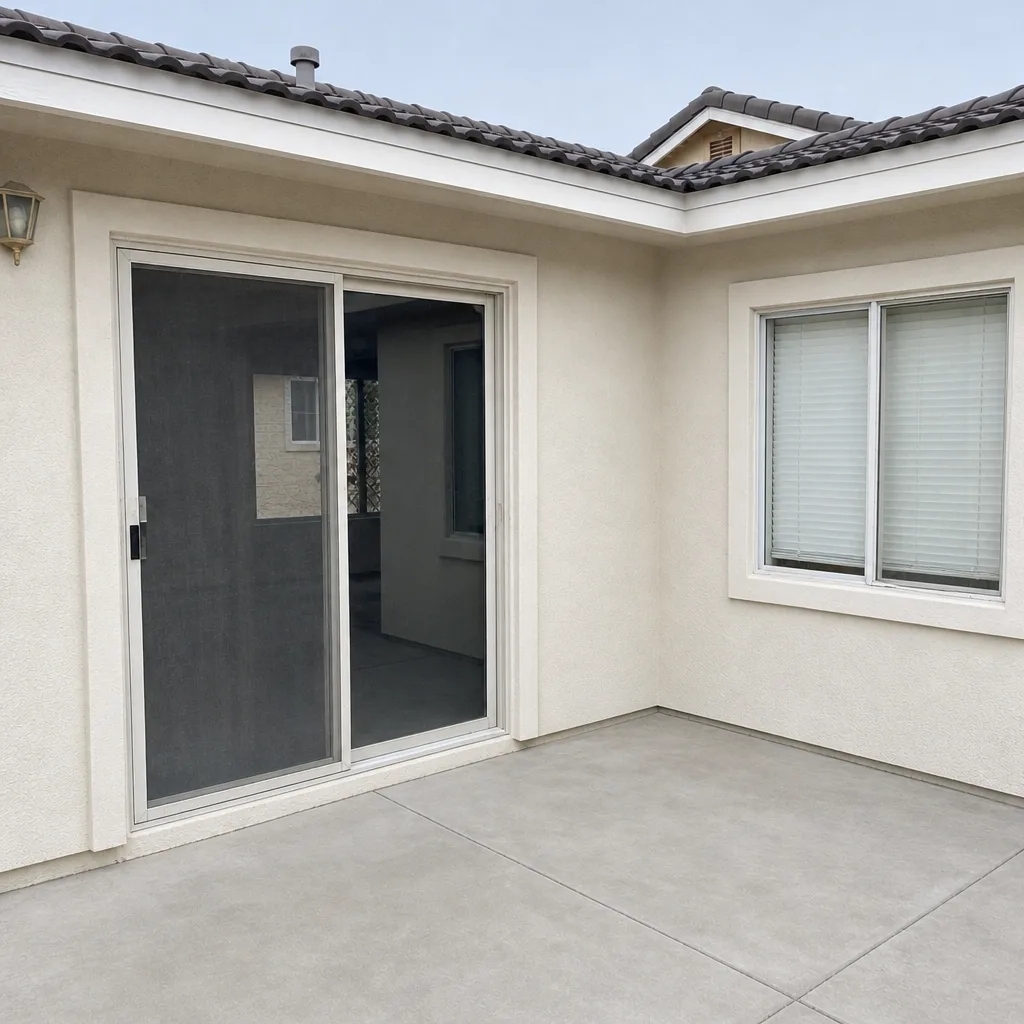 After
When to Call a Professional
Some window and door issues are genuinely DIY-appropriate: a single loose hinge, a sticky weatherstrip that reseats easily, or a screen that needs re-screening. But most of what homeowners actually hire for in Whitney involves structural, safety, or code considerations. Call a professional for any of the following: a failed window seal that’s fogged or waterlogged between the panes, any door that no longer sits square in the frame (often a sign of settling or structural movement), glass that’s cracked, chipped at the edge, or showing thermal stress, and any replacement where the new unit isn’t going into the exact same opening. Also call a professional for any work involving impact-rated glazing or anything that touches the building envelope.
The stakes get higher as the scope gets bigger, and so does the cost of skipping the vetting process. If you’re in Whitney and want to compare a written quote against a second opinion, our team is happy to come out. We don’t charge a trip fee inside our home county, and a free second opinion on a written estimate is a standing offer. Call (844) 797-3297 to schedule.
Frequently Asked Questions
Most Whitney window replacement projects run between $550 and $1,100 per window installed, with full-frame replacement at the higher end and insert replacement at the lower end. Impact-rated units and larger or specialty shapes push the range higher. Cost depends on unit size, brand, glass package, and the condition of the existing opening. Call (844) 797-3297 for a free itemized quote specific to your home; the estimate is free and the quote is line by line.
No, and you shouldn’t have to. If the contractor is telling you a permit isn’t required, get a written statement from them to that effect and consider a second quote. In practice, most window and door replacements in Whitney and the surrounding Clark County area do require permits and inspections, and the contractor should be pulling the permit as the responsible party. Skipping this step puts the legal responsibility on you as the homeowner. Call us for a free second opinion on any quote you’re considering.
Go to the Nevada State Contractors Board website and use their public license lookup. Enter the license number the contractor gives you (not the business name), confirm the status is both active and current, check the classification covers your actual scope, and review any disciplinary history. It takes under two minutes. If a contractor can’t or won’t give you their license number, that’s your answer.
A single window replacement typically takes a half day to a full day of installation once the unit is on site. A whole-home window replacement usually runs three to five days of install time, plus lead time for product ordering, which can be anywhere from a few weeks to a couple of months depending on the product line and factory capacity. A written quote should spell out both install days and expected lead time. Call (844) 797-3297 for a timeline specific to your project.
Cash discounts are a pressure tactic and a common red flag. A legitimate contractor may have standing discounts (we offer permanent discounts to seniors and veterans, for example, and they don’t expire), but they don’t discount for cash because the point of cash-only payment in that scenario is to leave no paper trail. Pay by check or card so your payment is documented. If a contractor insists on cash, walk away.
A legitimate window and door warranty should be written, itemized (product warranty and labor warranty as separate items), transferable to the next owner if you sell the home, and should name Whitney and the surrounding area as a normal service response area with a stated timeline for response. Verbal warranties aren’t enforceable in practice. Ask for the written terms before you sign. If a contractor hedges on warranty language, that’s your answer: call us at (844) 797-3297 for a free second opinion on your quote.
The Bottom Line
Hiring a windows and doors contractor in Whitney comes down to verification over trust. The five checks that matter most: verify the Nevada license number on the NSCB database and confirm it’s both active and current, ask the five questions that expose a traveling crew, read every quote line by line against specific product specs, confirm the contractor pulls the permit and carries the liability, and demand a written, itemized, transferable warranty that names Whitney in the service area. The lowest bid in a small market is dangerous because there are fewer reviews and fewer local reference points, not because the contractor is automatically bad. Do the checks and the good operators become obvious. Our Winslow Windows & Doors Whitney home page has more on how we vet our own work. Our technicians have up to 15 years of experience, technicians are background-checked and arrive in uniform, and a live person answers the phone every hour of every day.
Whether you’re comparing a quote you’re not sure about, pricing a whole-home replacement, or looking to start with a single window, the free itemized estimate is the starting point. Window Installation in Whitney from our team includes permit pulling, inspection walk-through, and written warranty terms at signing. We don’t charge a trip fee inside our home county, we offer a free second opinion on any written estimate, and we stand behind every job with the 36500-Day Done Right Promise: if it’s not done right, we make it right. Ed’s name is on the door, and on every job we do.
Call (844) 797-3297 to schedule your free estimate in Whitney. A live person will answer, day or night, and you’ll have a written line-by-line quote in hand before you make a decision.
Written by the team at Winslow Windows & Doors Whitney.