
Last updated November 18, 2026
 Sliding glass doors
 Single hung
 Double hung
 Horizontal roller
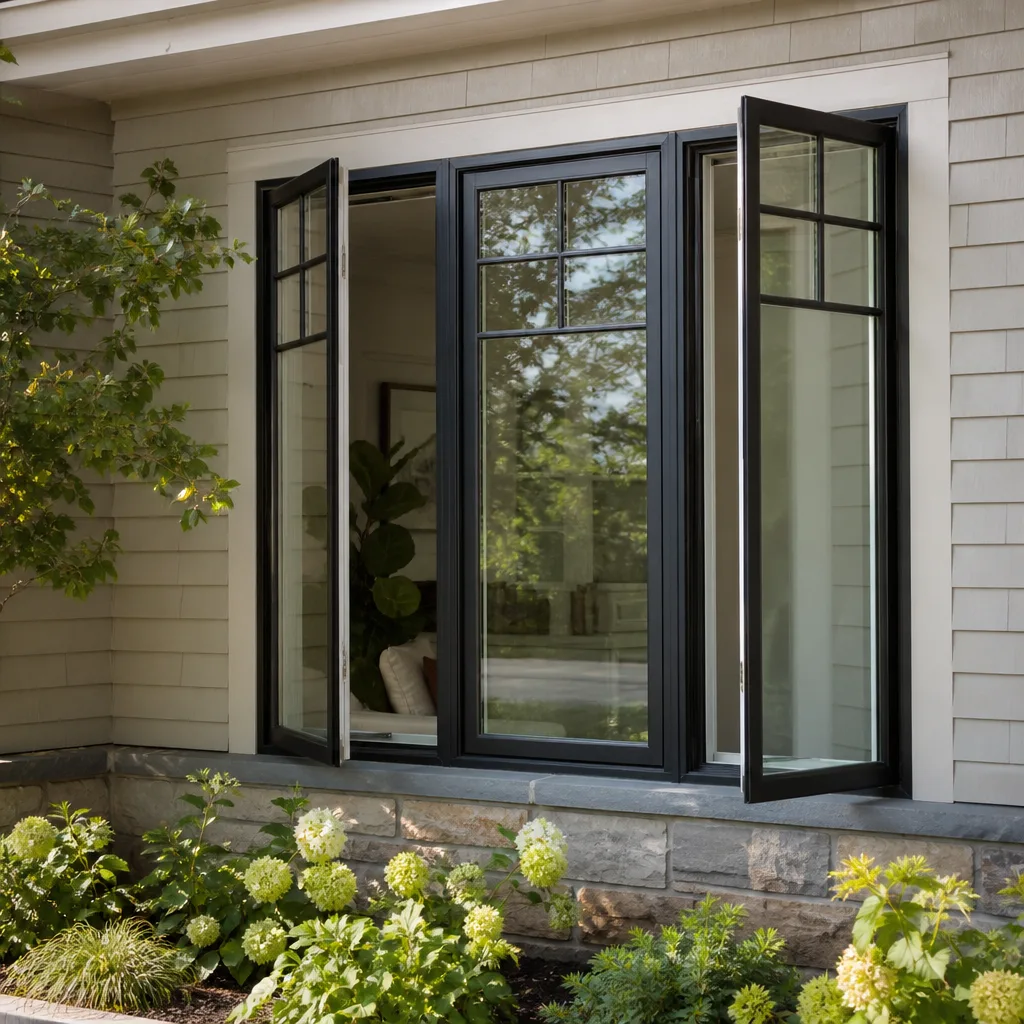 Casement
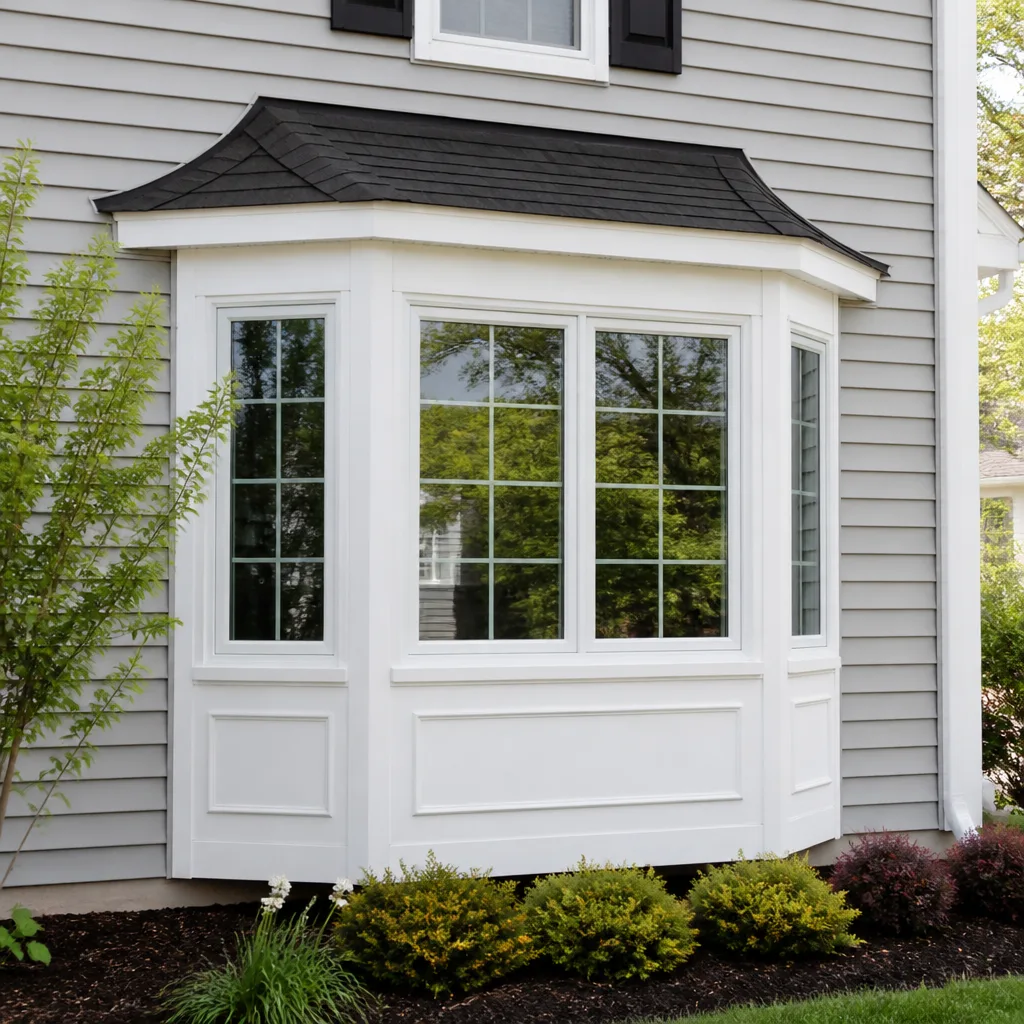 Bay & bow
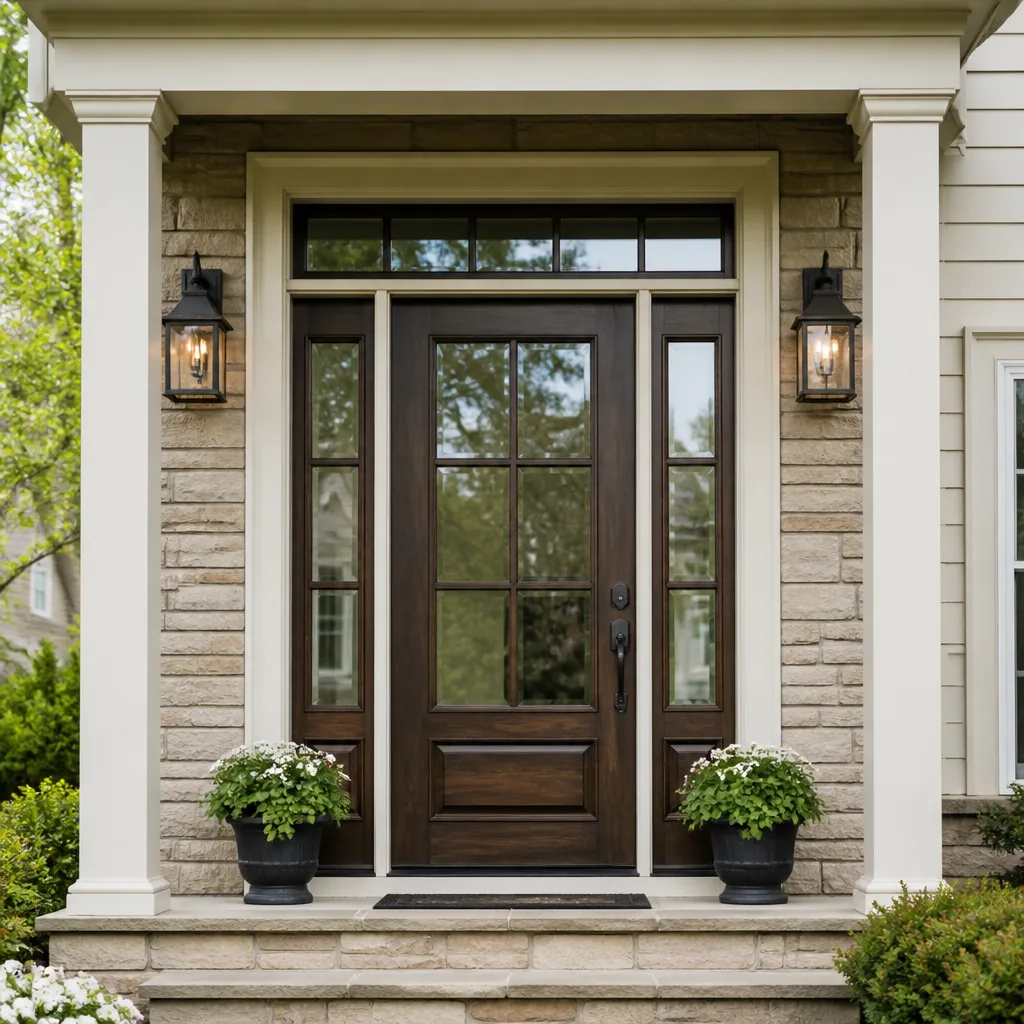 Entry doors
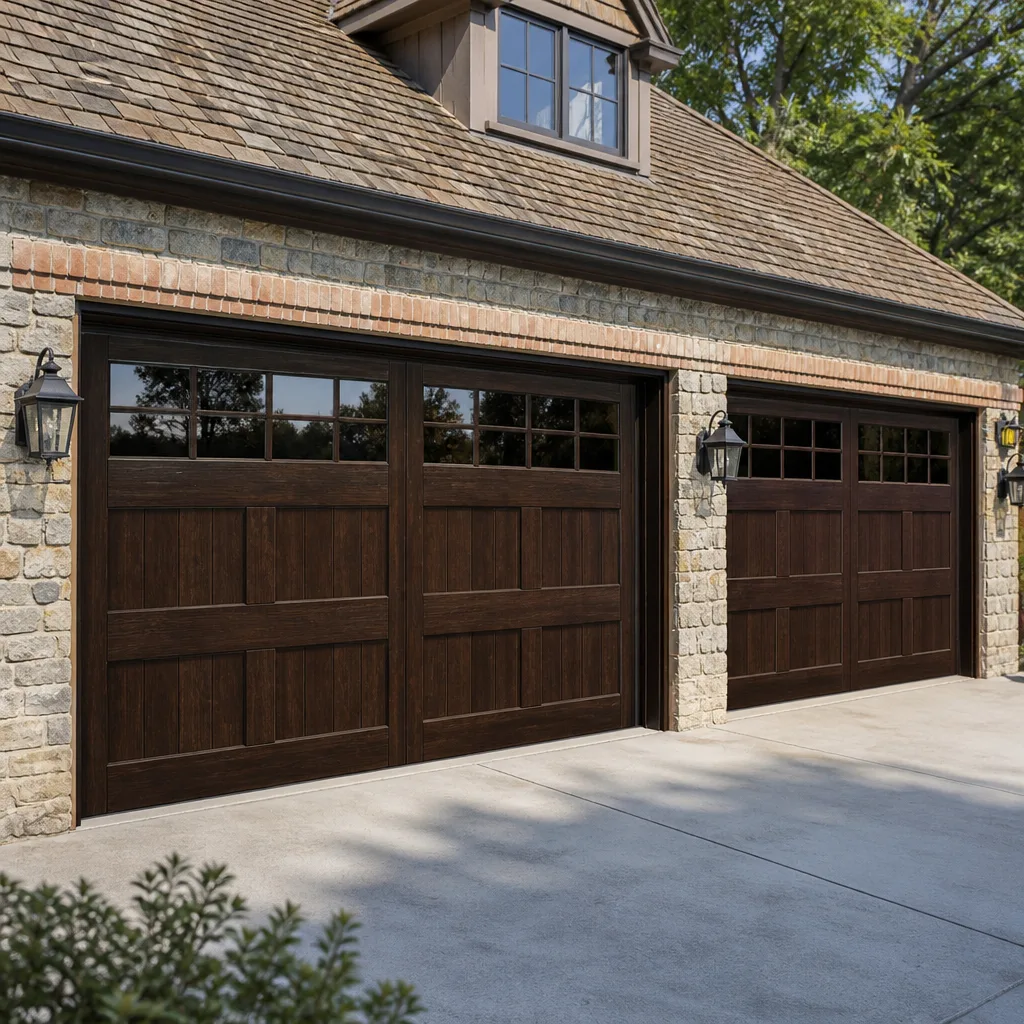 Impact garage doors
 PGT
 CGI
Free in-home measure and quote - PGT, CGI and CWS impact lines compared on your actual openings, style by style
Get your free estimateWindows & Doors Warning Signs: A Whitney Homeowner’s Reference Guide
A window that “just sticks a little” in summer is not a minor annoyance. In a desert climate, it’s often the first symptom of frame warping, and left alone, that warping can compromise the entire rough-opening seal within about two seasons. The signs that actually predict failure are quiet – a faint edge fog on the glass, a door that clicks differently in January than it did in July, an HVAC unit that runs ten extra minutes a night. This guide translates those signals into plain language for Whitney homeowners, so you can tell the difference between a quick fix and a structural conversation before either one gets expensive.
Quick Answer
The warning signs that a Whitney home needs window or door attention are edge-band condensation inside dual-pane glass, doors that gap at the corners in one season but not another, rising HVAC runtime without a change in weather, and chalky or soft wood near the frame base. Operational condensation (a light film that clears) is normal; edge-band fogging means a failed seal. A door corner gap that appears only in summer points to settling or hinge wear; a gap that widens year over year points to frame distortion.
Styles & brands we work with
- Single hung
- Double hung
- Horizontal roller
- Casement
- Bay & bow
- Sliding glass doors
- Entry doors
- Impact garage doors
- PGT
- CGI
Table of Contents
- Condensation: Operational vs. Edge-Band
- Reading Door Corner Gaps
- Why Your HVAC Runtime Is a Window Diagnostic
- Early-Stage Frame Rot in Desert Climates
- The 20-Minute Paper-and-Flashlight Draft Test
- Seals, Weatherstripping, and What Actually Fails First
- When Impact Windows Change the Equation
- Replacement Timing: Fix vs. Replace
Condensation: Operational vs. Edge-Band
Not all condensation is a problem, and that’s where most homeowners get confused. In Whitney, the morning temperature swing between 6 a.m. and 2 p.m. can run 30 to 40 degrees in spring and fall – a window that fogs briefly on the room side and clears by mid-morning is doing exactly what it should. That’s operational condensation. It happens because the interior air is warmer and holds more moisture than the glass surface, and it clears once the two equalize.
Edge-band condensation is different, and it’s the one to watch. Look at the perimeter of the glass, about an inch in from the frame. If a milky or foggy band forms at the edge and stays there regardless of the weather, the dual-pane seal has failed. The argon (or whatever inert gas was used) has likely leaked out and moisture has entered. Once a seal fails, the pane does not insulate the way it was designed to, and that shows up as a thermal liability on every utility bill from June through September.
- Operational condensation: clears within an hour or two, typically on interior glass or on the room-side of the frame, more common in bathrooms and kitchens.
- Edge-band condensation: stays put, forms a foggy or milky band at the glass perimeter, can be seen from both sides.
- Interior pane fogging: the seal has failed entirely; the unit needs replacement, not repair.
- Water droplets between panes: a severe seal failure; replacement is the only fix.
A failed dual-pane seal is not dangerous, but it’s a slow leak in your energy budget. We’ve seen homes in Whitney where a single failed pane adds measurable runtime to the AC. Multiply that by four or five windows and the math gets uncomfortable. If you’re still deciding whether your glass is worth replacing, our window replacement in Whitney page walks through the decision in more detail. For homes in the market for a full upgrade, impact windows in Whitney are worth a look – they solve the seal question and the wind question at the same time.
Reading Door Corner Gaps
A gap at a door corner is a diagnostic, not a verdict. It can mean three very different things, and the difference determines whether you’re looking at a $150 hinge adjustment or a conversation about structural movement. The trick is to figure out whether the gap is static (always there) or seasonal (appears in summer, disappears in winter, or the reverse).
- Check the gap with a flashlight at night. Stand inside, close the door, kill the interior lights, and shine a flashlight around the perimeter from outside. Any light leak tells you where the door isn’t sealing. Mark the spots with painter’s tape.
- Note the season. A gap that only appears in July and August is almost always wood swelling from monsoon humidity – it points to a settling or moisture issue, not a broken door. A gap that’s present year-round and gets wider each year points to frame distortion or hinge failure.
- Check the hinge side first. Look at the top hinge. If screws are loose or the top hinge plate is pulling from the jamb, the door is sagging and the gap is on the strike side. That’s a hinge repair, usually quick.
- Check the strike plate. A latch that doesn’t engage fully means the door has shifted. Shimming or adjusting the strike is a small fix; if the whole frame is out of plumb, it’s a bigger conversation.
- Look at the corners. A gap at the top outside corner of the frame (not the door itself) is a frame distortion signal. In Whitney homes built in the 2000s, we’ve seen this from roof load settling combined with slab movement – it’s fixable but usually needs a door replacement rather than a repair.
If your door has visible frame distortion at the corners, a repair won’t hold. That’s when our Winslow Windows & Doors Whitney home page becomes useful – it lays out the difference between a quick repair and a full door replacement, both of which we handle. Therma-Tru entry systems in particular are built to handle the temperature swings we see out here, and they’re one of the door lines we install regularly.
Why Your HVAC Runtime Is a Window Diagnostic
The most reliable early sign of degrading window seals in Whitney isn’t something you can see – it’s something you can measure. Whitney’s diurnal swing (the difference between the daily high and the overnight low) regularly hits 35 to 45 degrees in spring and fall. Every time that swing happens, a window with a compromised seal lets more heat transfer across the glass than the manufacturer designed for. The AC has to work a little harder to compensate.
You don’t need to be an HVAC tech to notice this. If your HVAC runtime has crept up over the last two summers without a corresponding change in the weather – or if a room that used to cool evenly now runs warm in the afternoon – the windows are a strong suspect. Compare your most recent summer bills against the summer before. If usage is up 8 to 15 percent with no meaningful change in temperature, window and door seals are one of a very short list of explanations worth checking.
- Check the two rooms that face west. West-facing windows absorb the most afternoon sun, so a seal failure here has the most measurable effect on runtime.
- Check your thermostat history. Most smart thermostats log runtime. A 10 to 15 percent increase quarter-over-quarter, with the same setpoints, is worth investigating.
- Check for hot spots. Stand near a sunny window at 3 p.m. If you can feel radiant heat from a closed window, the glass’s solar performance is degrading – either the seal, the low-E coating, or both.
- Check the door thresholds. A worn sweep at a patio door lets hot air in, and that hot air shows up in runtime figures before you ever notice a draft.
This is where energy-efficient window replacement becomes a budget question rather than a comfort one. If two or three windows are failing, the monthly savings from replacing them often make the case on their own. We handle the full range – from a single-pane swap to a whole-home upgrade – and our window installation in Whitney page has the details on how we approach installation so that the seals stay sealed.
Early-Stage Frame Rot in Desert Climates
Most rot guides are written for wet climates, and they don’t apply out here. Whitney’s dry climate produces a specific rot pattern that looks more like weathering than rot, which is exactly why it goes unnoticed. Wood or composite frames in Whitney tend to fail in two stages. First, sun exposure bleaches the finish and opens microscopic checks in the surface. Second, escaping AC condensate or an occasional heavy monsoon rain soaks into those checks and stays there, because the surrounding air is dry enough that it doesn’t drain well. The wood fibers underneath soften without showing the classic spongy, dark rot pattern you’d see in Oregon.
So look for the wrong things and you’ll miss it. Here’s what to actually check:
- Color: chalky, pale, silver-grey surface rather than dark brown or black. In Whitney, frame rot is often lighter than the surrounding wood, not darker.
- Smell: a faint, musty, “old basement” smell near the frame base when the window has been closed up on a hot day. That’s the first reliable warning.
- Texture: press a key into the frame along the bottom sill. If it sinks in more than a millimeter or two, the wood fibers are compromised.
- Location: the bottom corners and the lower sill are where rot starts first, followed by the exterior frame around the upper sill where AC condensate drains.
- Paint failure: paint that peels in long strips rather than flakes is a sign of moisture behind the finish.
Once frame rot reaches the point where the sill can be pressed in with a key, the fix is replacement, not repair. Repairing the visible rot leaves the compromised wood underneath, and in our experience, the rot returns within a year. For homes in this condition, we install frames from lines built for desert UV exposure – CGI and CWS are both solid choices for Whitney’s sun load – and we’ll walk you through the tradeoffs during a free estimate.
The 20-Minute Paper-and-Flashlight Draft Test
This is the single most useful thing a Whitney homeowner can do before winter billing season, and it takes about twenty minutes. You don’t need tools beyond a piece of printer paper (or a strip of toilet paper), a decent flashlight, and a cool evening. Do the test after sunset on a day when the interior has been heated and the outdoor temperature has dropped at least 15 degrees. That temperature gap is what makes leaks visible.
- Close every window and door in the house and turn off the HVAC entirely. Wait ten minutes for air movement to settle.
- Start with your most-used doors. Hold the paper strip flat against the door perimeter, starting at the bottom sweep and moving up each side. Where the paper lifts or flutters, there’s a leak.
- Check every window sash. Hold the paper against the bottom sill, then the two sides, then the top. Each edge gets a few seconds. Mark any spot where the paper moves.
- Use the flashlight method on the same points. Shine the light against the seam from the outside, and have a helper mark the interior locations where light passes through. This catches leaks the paper test misses at the frame-to-wall joint.
- Map it. Sketch your floor plan on paper and mark every leak point. That sheet becomes your checklist for a professional walk-through.
- Check thresholds and weatherstripping specifically. Patio door sweeps and entry door bottom seals are the two most common infiltration points in Whitney homes – not because they fail often, but because they wear out from use and UV exposure.
The point of this test isn’t for you to fix everything yourself. It’s to walk into a repair or replacement conversation with a map of where the actual air is getting in, so a contractor can’t sell you eight windows when three are leaking. If your map shows most of the leaks at door thresholds, weatherstripping replacement is often the fix – cheap and quick. If the leaks are at window frame-to-wall seams across multiple rooms, that’s a different conversation.
Seals, Weatherstripping, and What Actually Fails First
Ask most homeowners what goes wrong first on a window and they’ll say “broken glass.” In our experience, glass is almost never the first failure. The components fail in a predictable order, and knowing that order helps you sort real problems from cosmetic ones.
- First: weatherstripping and sweeps. These are the cheapest components and the fastest wearing. They see the most UV and physical contact. A worn sweep on a patio door in Whitney typically shows up as a draft within 3 to 5 years.
- Second: the dual-pane seal. This is the gasket that holds the gas between panes. It fails from thermal stress – every one of the thousands of temperature swings in a Whitney year works the seal a little. Edge-band condensation is the tell.
- Third: the frame finish and the wood or composite underneath it. Sun and occasional moisture compromise the finish, then the material.
- Fourth: the wall-to-frame seal at the rough opening. Water intrusion here is what leads to structural damage in the wall cavity.
- Last: the glass itself. Tempered glass failures are rare and usually caused by a specific impact event, not gradual wear.
This order matters because it tells you what to inspect first. If your dual-pane seals are failing (edge fog, water between panes), replacing weatherstripping buys you nothing. If the wall-to-frame seal is failing, replacing the window without addressing the wall cavity just puts a new window on top of a wet hole. Any honest estimate should tell you which layer is failing, and we’ll do that in writing – upfront, line-item, with no surprises on the invoice.
When Impact Windows Change the Equation
For most Whitney homeowners, standard replacement windows solve the failing-seal problem. But if the property is in an area with heightened wind exposure, or if the current windows are original builder-grade units that have already shown edge fog, impact-rated windows are worth considering for reasons beyond storm protection. Impact windows use a heavier frame and a laminated glass construction that is significantly more resistant to thermal cycling than a standard dual-pane unit. In our experience, the heavier frames hold their shape through Whitney’s temperature swings better than builder-grade aluminum, and that means the seals last longer.
The tradeoffs are real: impact windows cost more up front and weigh more, which sometimes means trim adjustments during installation. But for a homeowner who’s replacing windows because the original seals failed after a decade, going back to the same builder-grade construction often means the same problem ten years later. A premium frame and a laminated glass unit cost more now and less over time. Impact windows in Whitney covers the specific construction and what it solves.
Replacement Timing: Fix vs. Replace
The single most common question we get on estimates is whether a problem warrants repair or full replacement. The answer depends on which layer is failing and how far the damage has spread. Here’s how we think through it.
- Repair: worn weatherstripping, a loose hinge, a single broken lock, minor sweep replacement. These are $100 to $300 fixes and they’re worth doing promptly because they’re cheap and stop small problems from becoming large ones.
- Repair (conditional): a single failed dual-pane seal on an otherwise sound window. If the frame is solid and the unit is one of a matched set, replacing just the glass unit (sometimes possible) or one window is defensible. If the window is more than 12 to 15 years old and the frame is showing chalky finish, replacement usually makes more sense.
- Replace: frame rot at the sill, frame distortion at the rough opening, multiple failed seals on the same wall, or water intrusion at the wall-to-frame seam. These are the cases where a repair won’t hold.
- Replace (whole-home): when more than 30 to 40 percent of windows show failure, the economics of piecemeal replacement usually favor a full project. You get consistent performance and a single warranty.
Timing also matters because of the seasonal window. In Whitney, the ideal installation months are the shoulder seasons (roughly October-November and March-April) when temperatures are moderate and there’s no storm risk. Getting an estimate in late summer lets you schedule for fall and avoid the spring rush. If you’re on the fence, ask for a free second opinion on any written estimate you’ve already received. Most homeowners we talk to end up making the right call once they see the layers laid out clearly. The window replacement in Whitney page has more on timing and project scope.
Common Mistakes to Avoid
- Confusing operational condensation with seal failure. A window that fogs briefly in the morning and clears is fine; replacing it wastes money. Look for the milky edge band that stays – that’s the real signal.
- Judging door gaps by the season you notice them. A summer-only gap points to swelling and settling; a year-round gap that widens points to structural movement. Treating a summer gap with a replacement door is a waste; treating a structural gap with a hinge adjustment is a delay that costs money.
- Assuming “it’s dry here, so rot can’t happen.” Whitney’s dry climate produces a light, chalky rot that hides in plain sight. Check the sill with a key press once a season, especially after the first fall rains.
- Ignoring HVAC runtime as a window signal. Rising electric bills with no weather change are one of the clearest early warnings a homeowner can catch – and one of the cheapest to investigate.
- Replacing a failed seal on a frame that’s also failing. If the frame is chalky and the sill is soft, replacing the glass unit alone just puts new glass on a failing frame. The problem returns.
- Accepting a verbal estimate with no line items. In Whitney, we’ve seen too many homeowners surprised by change orders when the “standard install” turns out to include trim repairs that weren’t quoted. Ask for the line items in writing, then get a free second opinion if the scope is unclear.
- Waiting for the “obvious” sign (broken glass or visible rot) to call. By then, the damage has usually spread to the rough opening or the wall cavity, and the project is twice the price.
See the difference
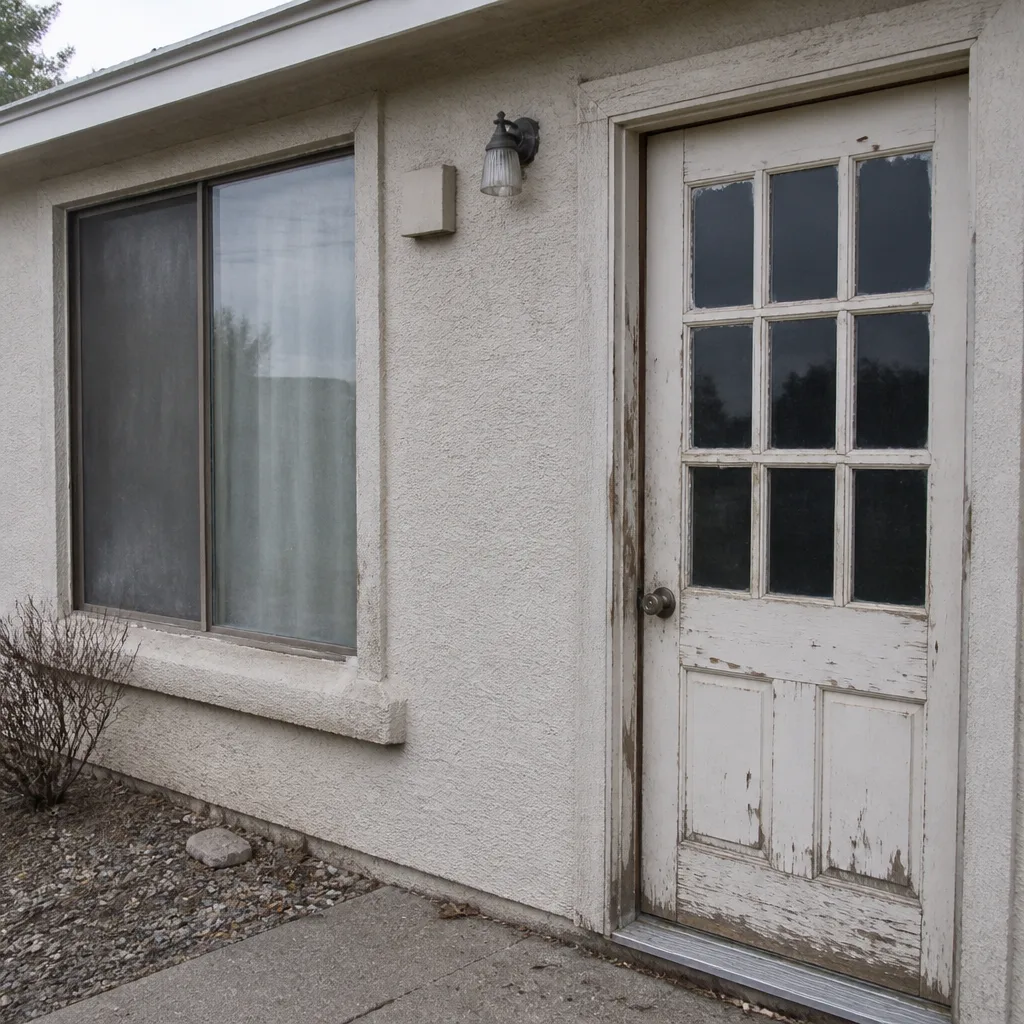 Before
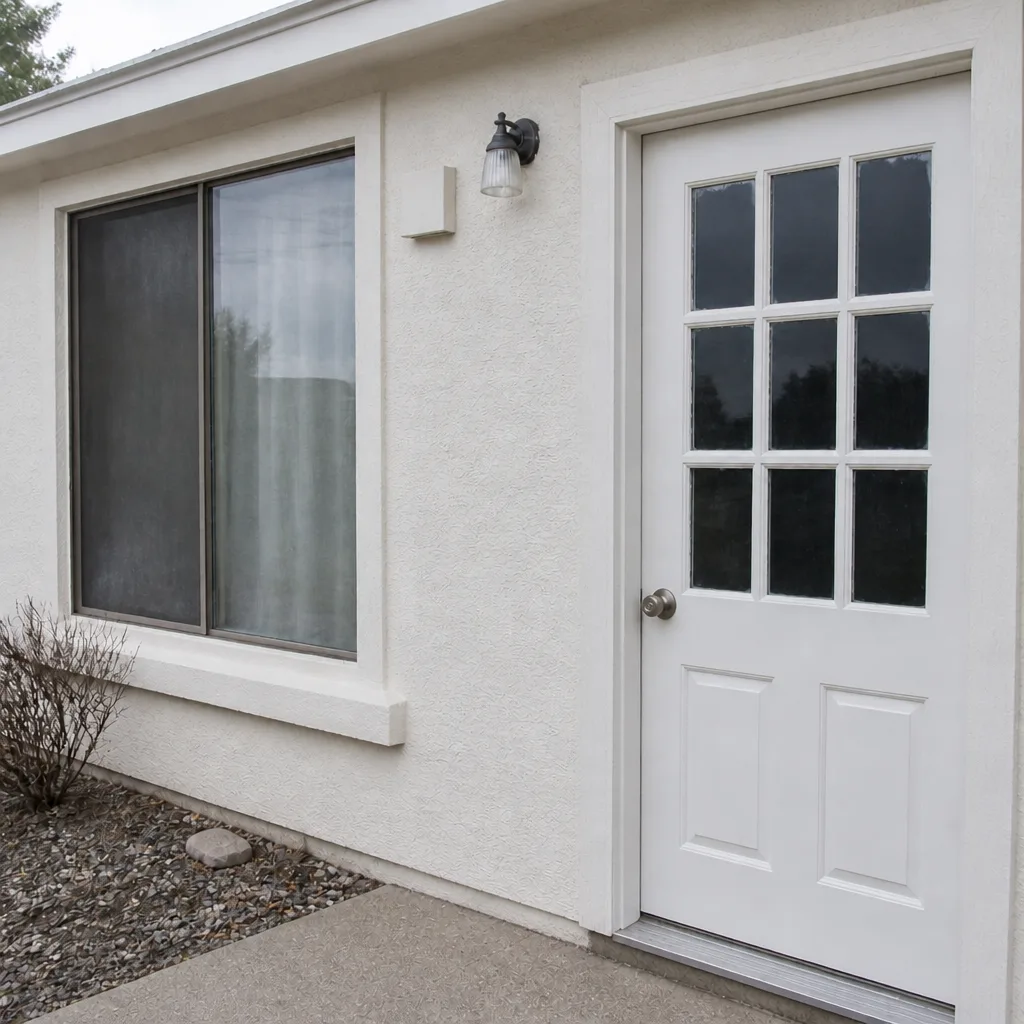 After
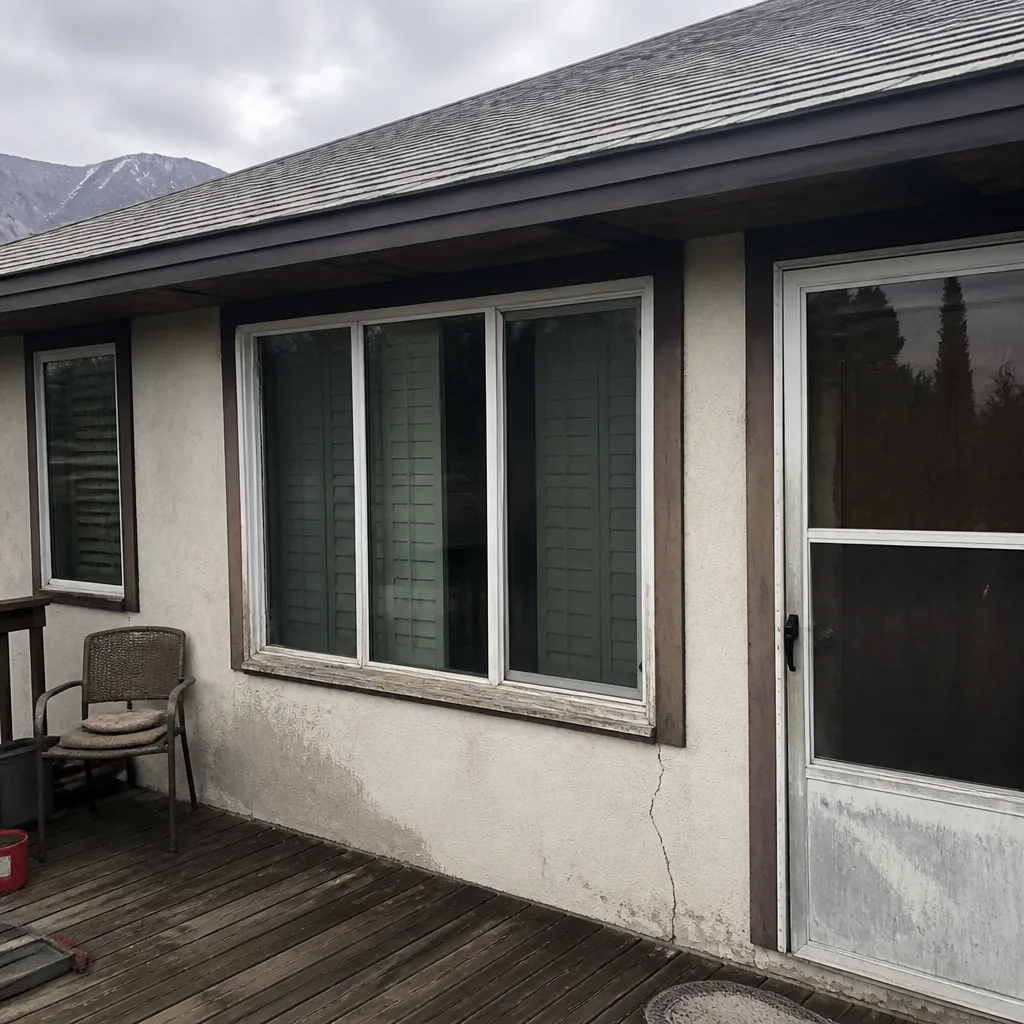 Before
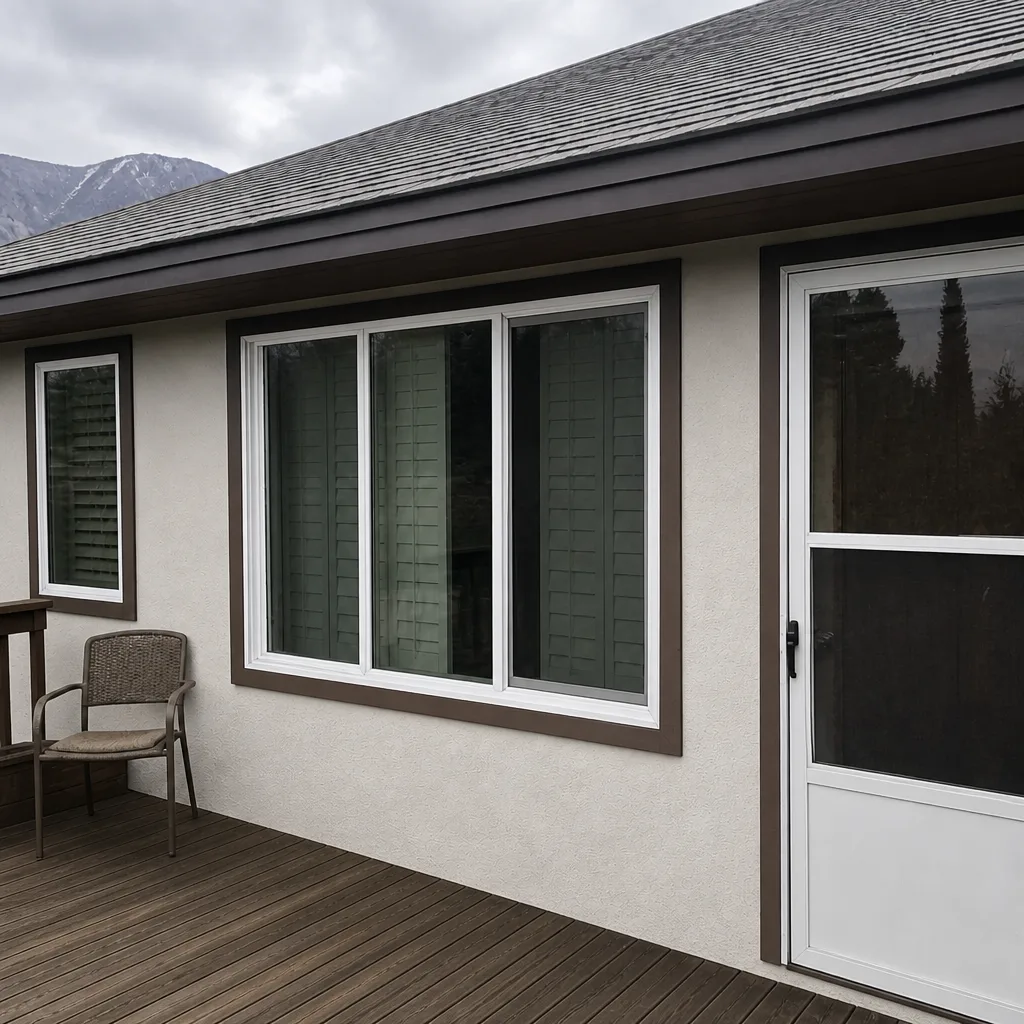 After
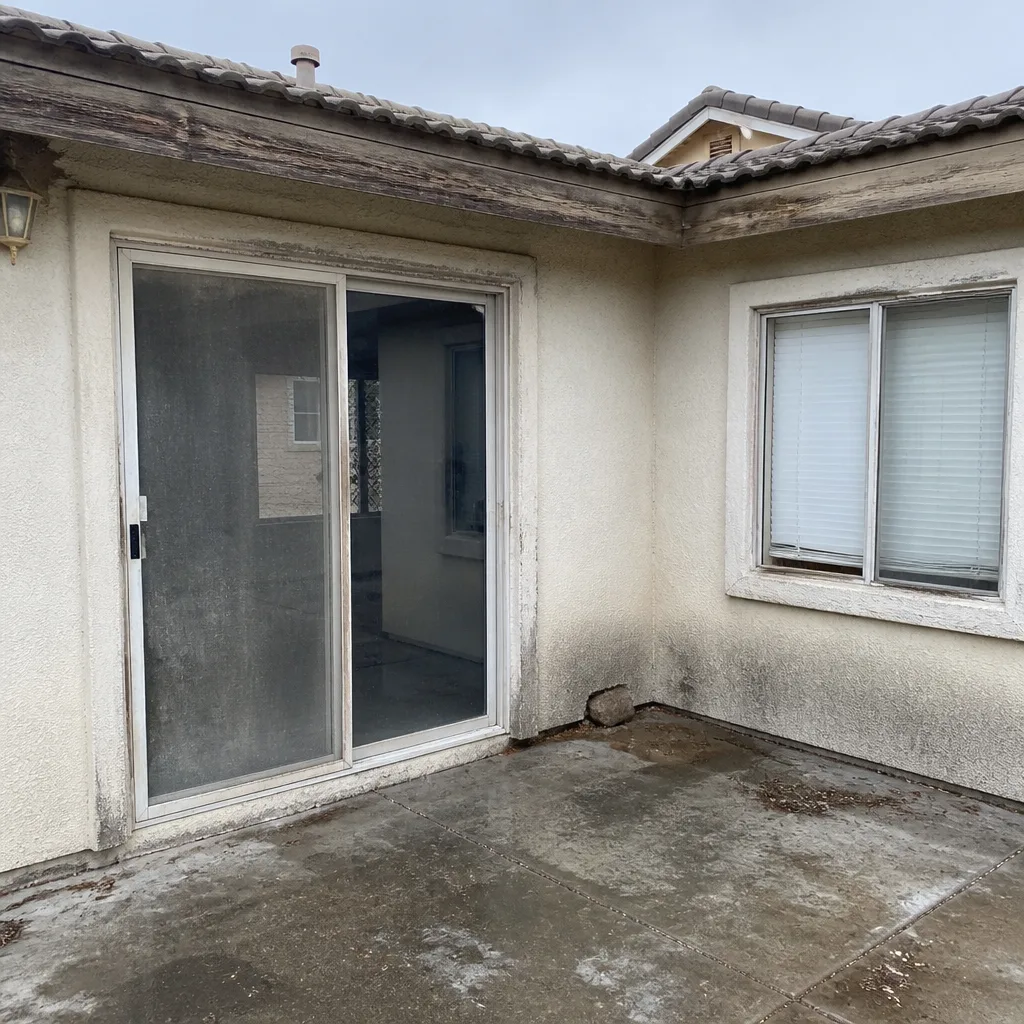 Before
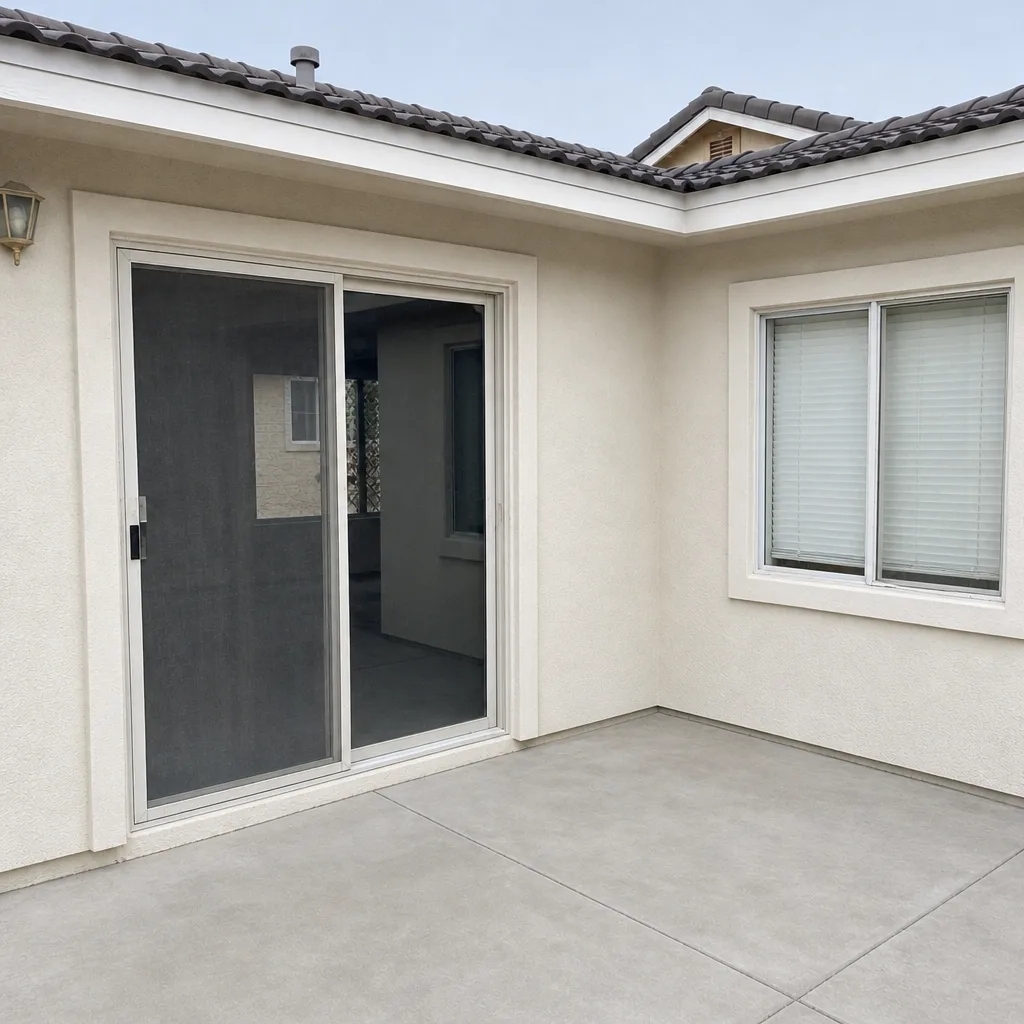 After
When to Call a Professional
Call a professional when you find any of the following: edge-band condensation that doesn’t clear, frame wood that presses in with a key, a door gap that widens year over year, water visible between glass panes, or a wall-to-frame seam where a flashlight passes light through. Also call if your HVAC runtime has climbed 10 percent or more over the same setpoints in two summers. These are the cases where a repair attempted without the right tools or the right training can turn a modest fix into a larger project.
Winslow Windows & Doors Whitney offers free estimates in Whitney – call (844) 797-3297. Every estimate is written, line-item, upfront, and comes with a free second opinion if you’ve already got one in hand. There’s no trip charge inside our home county, the call is answered by a live person around the clock, and every technician who shows up is background-checked and arrives in uniform, so you know exactly who’s at your door before the truck pulls up. Our technicians bring up to 15 years of experience to every job, and every installation is backed by the 36500-Day Done Right Promise: if it’s not done right, we make it right – for a century if we have to.
Frequently Asked Questions
Look at the perimeter of the glass, about an inch in from the frame. A milky or foggy band that stays regardless of the weather means the seal has failed. Water droplets between the panes are a severe failure. Any of the two means the window isn’t insulating the way it was designed to, which shows up on your electric bill. Call (844) 797-3297 for a free evaluation – estimates are free and we’ll tell you honestly whether the seal is the issue or something else.
Yes, when the fogging is interior (on the room side) and clears within an hour or two. Whitney’s diurnal temperature swings make morning operational condensation common, especially in spring and fall. What’s not normal is fogging that stays put, especially at the edge band. If the fog is still there at lunchtime, that’s a seal problem, and it’s worth a look before the next billing season.
Summer-only gaps almost always point to moisture and settling. Wood swells in the monsoon season, and if the frame or the rough opening has settled even slightly, the swelling becomes visible at the corner. That’s usually fixable with hinge adjustment or settling-related repair – not replacement. A gap that appears year-round and widens each year is a different story and often needs a door replacement. Call (844) 797-3297 and we’ll tell you which one you’re looking at.
Once the sill can be pressed in with a key, replacement is usually the right call, because repairing the visible damage leaves the compromised wood underneath and the rot returns within a year. If the rot is caught when it’s still just a chalky finish with no softness, refinishing and sealing can buy years. In our experience, Whitney’s dry-climate rot is usually discovered late, so most cases we see warrant replacement. A free estimate will tell you which side of that line your window is on.
Yes, and it’s the best twenty minutes a homeowner can spend before winter. Hold a strip of paper against each window and door perimeter, with the HVAC off, and note where it flutters. Then use a flashlight from the outside to catch frame-to-wall leaks the paper misses. Map the leaks on a floor plan and you’ve got a checklist for any contractor walk-through – and a defense against over-scoped estimates. Call (844) 797-3297 to schedule a free walk-through if the map shows leaks across multiple rooms.
A typical free estimate takes 30 to 60 minutes on-site, especially if we’re evaluating multiple windows and doors. You’ll leave with a written line-item quote the same visit – no callback needed. If you’re comparing estimates, bring the other quotes and we’ll give you a free second opinion. Call (844) 797-3297 to schedule. The call is answered by a live person, day or night, so you won’t get a voicemail loop.
The Bottom Line
The expensive window and door failures in Whitney almost always start as quiet signals a homeowner could have caught months earlier: an edge band that doesn’t clear, an HVAC runtime that climbed 10 percent, a door gap that shows up every summer, a sill that presses in with a key. Read those signals and you turn a $9,000 replacement project into a $250 repair. The 20-minute paper-and-flashlight test is the single most useful habit in this guide. If the map shows leaks across multiple rooms or the seals are failing, call (844) 797-3297 for a free estimate. Upfront pricing, no surprises on the invoice, and a 36500-Day Done Right Promise that doesn’t expire. We’re the one down the road.
Written by the team at Winslow Windows & Doors Whitney.